

Why do lizards do push ups? It is one of the most curious things you will ever watch a reptile do — a tiny creature on a rock, pumping its body up and down with surprising intensity. But those push ups are not random.
They are a sophisticated, scientifically studied form of communication that lizards use to survive, compete, attract mates, and even regulate body temperature.
What Are Lizard Push Ups?
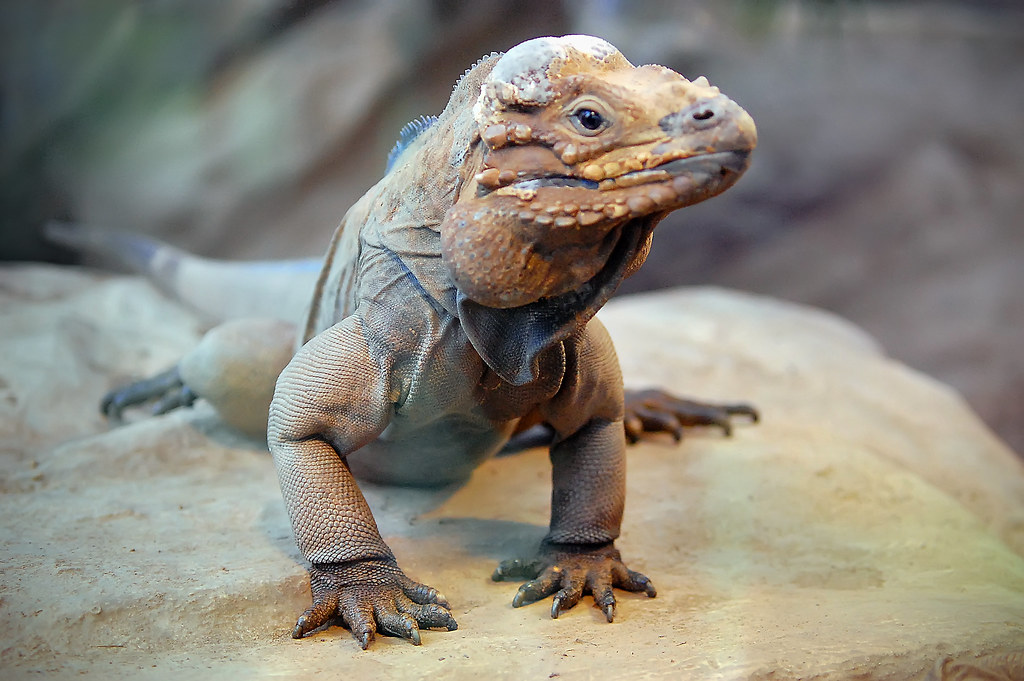
A lizard push up looks almost exactly like a human push up. The lizard lowers the front of its body toward the ground and lifts back up again using its front legs, sometimes repeatedly.
This motion is often combined with head bobbing, dewlap extension, and specific body postures to create a full display sequence. The speed, rhythm, and repetition all carry meaning.
Not every lizard species does push ups. It is mostly territorial species that engage in this behavior, according to Mario Nickerson, co-founder of Nature’s Edge Wildlife and Reptile Rescue in Texas.
Why Do Lizards Do Push Ups? The Main Reasons
According to Mark Pyle, reptile educator and former president of the DFW Herpetological Society, lizards do push ups for two primary reasons: to respond to a perceived threat, or as part of a mating ritual.
But research and expert observation have revealed the full picture is richer than just two reasons. There are at least six distinct reasons why lizards perform this behavior.
| Reason | Who Does It | When It Happens |
|---|---|---|
| Territorial display | Male and female | When another lizard enters their space |
| Mating signal | Primarily males | During breeding season |
| Threat/predator warning | Both sexes | When a threat is detected nearby |
| Thermoregulation | Both sexes | During hot or cold periods |
| Greeting or acknowledgment | Both sexes | When spotting another lizard at distance |
| Muscle warm-up | Both sexes | Early morning before activity |
Reason 1: Territorial Defense
Why do lizards do push ups in your yard or garden? The most common reason is territorial defense. Lizards are highly territorial animals — both male and female — and push ups are their way of saying “this space is mine.”
When another lizard enters a claimed territory, the resident lizard begins push ups to draw attention to itself. The display communicates strength, size, and willingness to fight without requiring actual physical contact.
Faster, more vigorous push ups signal a more serious warning. If the intruder ignores the display, the situation can escalate to head bobbing, aggressive posturing, and eventually physical combat.
Territory Size Varies by Species
The territory defended by a lizard through push up displays varies enormously depending on the species involved.
In some species, a male’s territory may cover just a few meters. In others, a single dominant male can hold jurisdiction over 30 meters or more, with several female sub-territories nested inside his range.
Females also carve out and defend their own territories within the male’s range to secure safe egg-laying sites. Female push up displays for territorial reasons are common, though generally less frequent than male displays.
Reason 2: Mating and Courtship Display
Push ups are a central part of lizard courtship. Male lizards use the display to show females that they are physically fit, strong, and genetically worthy of mating.
Dr. James Stroud, Postdoctoral Researcher at Washington University in St. Louis, explained to Newsweek that push ups convey information about how strong and fit an individual is, serving as both a warning to competitors and an advertisement to potential mates.
The logic is simple: a male that can do many strong, rapid push ups is demonstrating peak physical condition. A healthy, powerful mate is more likely to produce healthy offspring.
Females Push Up Too
While mating push ups are primarily a male behavior, females are not entirely passive. A female lizard may perform push ups to signal to nearby males that she is receptive and ready to mate.
Female push ups during mating season are typically slower and combined with different body postures than the aggressive territorial displays males use.
This two-way signaling makes lizard mating communication surprisingly complex, involving both sexes actively participating in visual courtship.
Reason 3: The Predator Warning Signal
When a predator is nearby, lizards do not always run. Sometimes they do push ups — and this turns out to be a smart survival strategy.
The behavior mirrors what gazelles do when they spot a lion: they signal that they have been seen. By doing push ups, a lizard tells the predator “I know you are there, the element of surprise is gone, and I am fit enough to escape.”
This concept, studied by researcher Ord and discussed in Live Science, suggests that a predator who realizes it has been spotted often gives up the stalk rather than waste energy on a chase it may not win.
Push Ups Make Lizards Look Larger
Part of the predator-deterrence value of push ups comes from size exaggeration. When a lizard pumps up and fans out its body during the display, it appears bigger than it actually is.
Pyle explains that lizards want to look as large and impressive as possible because it helps avoid confrontations, buys time to escape, and signals to females that they are strong.
Species like the Frilled Dragon take this to an extreme by extending dramatic neck frills alongside push up displays to create a genuinely intimidating appearance.
Reason 4: Thermoregulation
Lizards are ectothermic, meaning they cannot generate their own body heat. They depend entirely on their external environment to regulate body temperature — and push ups help with this in two directions.
When a lizard is overheating on a hot rock or sun-baked surface, lifting its body during a push up creates airflow beneath the abdomen. This increased airflow helps cool the body down.
Conversely, in cooler morning temperatures, the physical effort of push ups warms the muscles, preparing the lizard for hunting, escaping, or competing later in the day.
Morning and Evening Push Up Routines
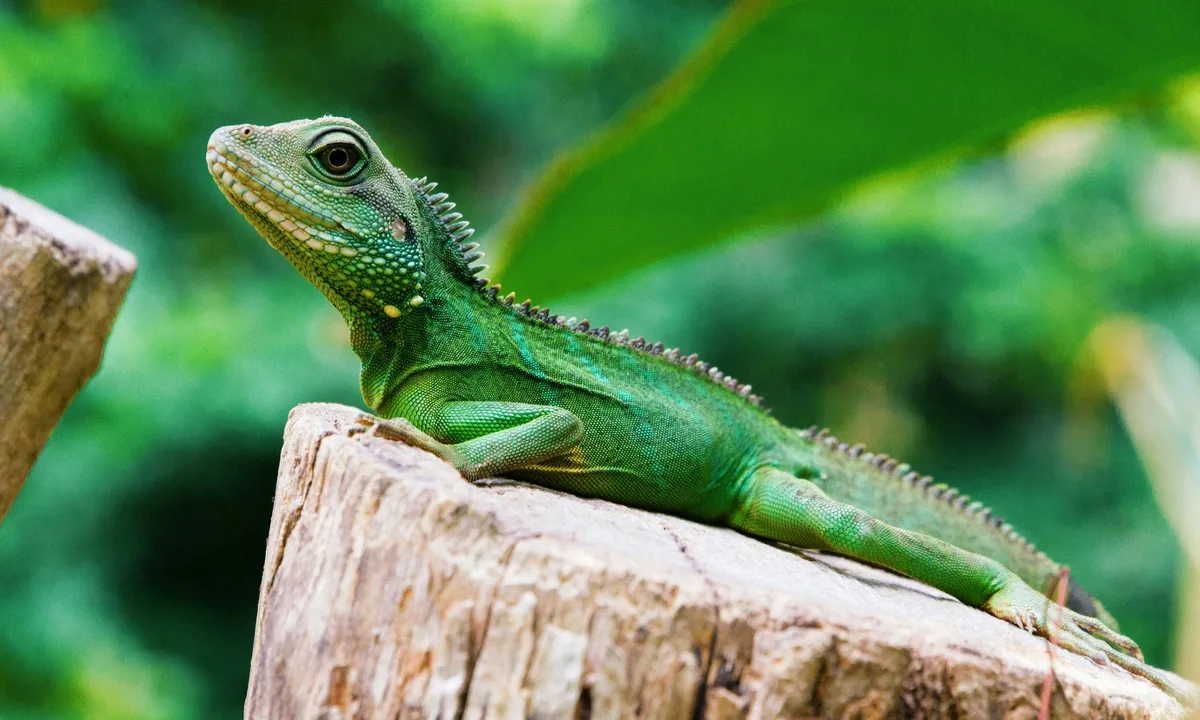
Research on Jamaican anole lizards by scientist Ord, published and covered by Live Science, found that four species of male anoles greet every dawn with vigorous push ups, head bobs, and dewlap extensions.
They repeat this ritual at dusk. These patterns parallel the dawn and dusk choruses that singing birds use, adapted into a visual language for a non-vocalizing animal.
The morning displays serve primarily to mark territory before the day’s activity begins. The evening displays may reinforce territorial boundaries as light fades.
Reason 5: Species Recognition and Communication
Each lizard species has its own unique push up pattern — a specific rhythm, speed, and sequence that is distinct from other species. Scientists have described this as the “language of the lizard.”
This species-specific pattern serves as a biological identifier. When a lizard sees a display from a distance, the pattern tells it immediately whether the displaying animal is the same species, a rival, or a potential mate.
Interestingly, the same signal can mean different things to different receivers. A male patrolling the edges of his territory may simultaneously be broadcasting to rival males to stay away while a nearby female interprets the same display as an attractive courtship signal.
Reason 6: Physical Fitness and Muscle Maintenance
Beyond communication, push ups provide a genuine physical benefit to lizards. The motion contracts and flexes muscles, helping keep lizards limber and preventing cramping during active hunting and escape.
The exercise also helps maintain cardiovascular health. Some experts note that regular push up activity may help prevent blood clots in lizards, which could otherwise be fatal.
This functional fitness benefit is a secondary but real reason lizards perform push ups, particularly pet lizards that live in enclosures and have limited physical activity compared to their wild counterparts.
The Role of the Dewlap in Push Up Displays
Many lizard species combine push ups with extension of the dewlap — a flap of brightly colored skin under the throat. In anoles, the dewlap is often vivid pink, red, orange, or yellow.
The dewlap dramatically amplifies the visual impact of the push up display. It creates a flash of color that can be seen from much greater distances, making the signal impossible to miss.
Dr. Stroud described dewlap displays to Newsweek as a more elaborate visual communication evolution, where species extend these throat fans and perform beautiful display patterns advertising their attractiveness to other lizards.
Dewlap Colors Vary by Species and Signal Different Things
The color and size of a dewlap signal a male’s quality and species identity simultaneously. Larger, brighter dewlaps generally indicate better genetic fitness during breeding season.
In anoles, dewlap color also serves as a species-recognition tool. Different anole species living in the same habitat have different dewlap colors, allowing them to distinguish their own kind from similar-looking competitors.
| Species | Dewlap Color | Primary Display Purpose |
|---|---|---|
| Green Anole | Bright pink/red | Courtship and territory |
| Brown Anole | Orange with white edge | Territory and mate attraction |
| Frilled Dragon | No dewlap; uses neck frill | Defense and intimidation |
| Green Iguana | Varies by individual | Dominance and mating |
| Western Fence Lizard | Blue belly (no dewlap) | Mating fitness display |
Which Lizard Species Do Push Ups Most?
Not all 7,000+ lizard species perform push up displays. The behavior is most associated with territorial species that have complex social structures.
Among pet species, green iguanas and anoles are best known for push up activity, according to Nickerson. Bearded dragons, geckos, and Western fence lizards also display this behavior regularly.
The Western fence lizard, sometimes called the “blue belly,” uses push ups specifically to display its bright blue underside to females as a signal of health and genetic quality. In many animals, vivid coloration fades when health declines, so a bright blue belly signals genuine fitness.
Push Up Speed Carries Different Messages
One of the most subtle and fascinating aspects of lizard push ups is that speed is language. The rate and rhythm of the push up directly changes the message being communicated.
Faster push ups generally signal aggression, territorial warning, or high arousal. They tell rival males to back off immediately or face escalating confrontation.
Slower, more relaxed push ups can function as a greeting or acknowledgment — essentially a lizard’s way of saying “I see you, noted.” Pyle described slow push ups as almost a casual “Hey, I see you watching me” communication.
Push Up Patterns Are Species-Specific Languages
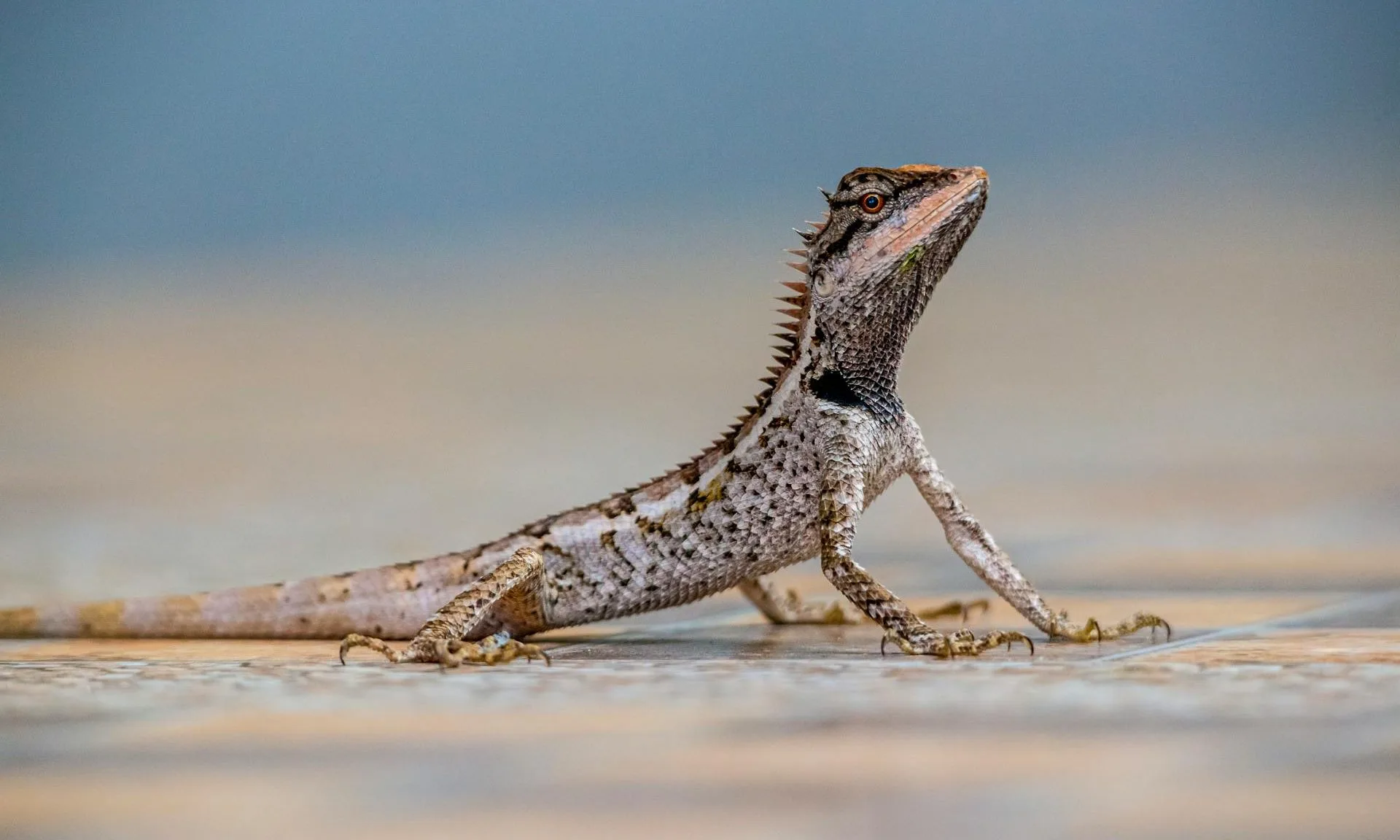
Scientists studying Sceloporus graciosus (the sagebrush lizard) documented the structural complexity in push up displays in a landmark herpetology paper, showing that the sequences resemble a coded language.
Each species has its own unique combination of movement amplitude, speed, pauses, and repetitions. These combinations function as species-specific dialects that only members of the same species fully decode.
Researchers at ASU’s Ask A Biologist project described these patterns as being so consistent and unique per species that they could even be replicated digitally using MIDI programming and a robotic lizard model to study lizard responses.
Do Pet Lizards Do Push Ups?
Yes — and when your pet lizard does push ups, it means something specific. Pet bearded dragons, anoles, green iguanas, and geckos regularly display this behavior even in captivity.
If your pet lizard suddenly starts doing push ups, there may be another lizard nearby (even its own reflection in a tank wall can trigger the behavior). It could also be responding to you, the owner, as a perceived intruder in its space.
It is worth noting that when your pet does push ups directed at you, it is almost certainly a territorial display — not aggression toward you personally, but a hardwired behavior asserting space.
What Push Up Behavior Tells You About Your Pet Lizard’s Health
Unusual changes in push up frequency in pet lizards can signal stress or illness. A lizard that suddenly increases push ups dramatically may be responding to environmental stressors like inadequate lighting, wrong temperature, overcrowding, or lack of hiding spaces.
A lizard that completely stops performing natural displays it used to do may be unwell. Push up behavior requires energy and motivation; a sick or stressed lizard may suppress natural communication entirely.
Key environmental factors that affect push up behavior in captive lizards include UVB lighting quality, temperature gradient accuracy, humidity levels, and the presence of other lizards in the same enclosure.
Lizard Push Ups vs. Head Bobbing: What Is the Difference?
Push ups and head bobbing are closely related but distinct behaviors. They often occur together but serve slightly different emphasis roles in the display.
Push ups involve the whole body rising and lowering via the front limbs. Head bobbing involves just the head moving up and down rapidly while the body remains relatively still.
Head bobbing is often used to reinforce a territorial claim or to signal dominance within a shared enclosure. In some skink species, slow head bobbing can even signal submission — the opposite of the dominance push up display.
| Behavior | Body Part | Primary Signal | Typical Speed |
|---|---|---|---|
| Push ups | Whole front body | Territory, mating, fitness | Varies by message |
| Head bobbing | Head only | Dominance, greeting, submission | Fast (dominance) or slow (submission) |
| Dewlap extension | Throat fan | Species ID, courtship, threat | Quick flash or sustained hold |
| Arm waving | Single foreleg | Acknowledgment, submission | Slow, deliberate |
The Science Behind Lizard Push Up Research
Scientific study of lizard push up displays has produced some genuinely remarkable findings about animal communication.
Researchers found that artificially increasing the frequency of head bobs in male anoles caused increased aggression from nearby males — proving the displays carry real coded information, not just visual noise.
Reducing the display motion conversely reduced competitor aggression, confirming the direct communicative function of the behavior. These experiments used mechanical lizard models and robotics to isolate the push up signal from other variables.
Lava Lizards of the Galapagos: A Push Up Battle System
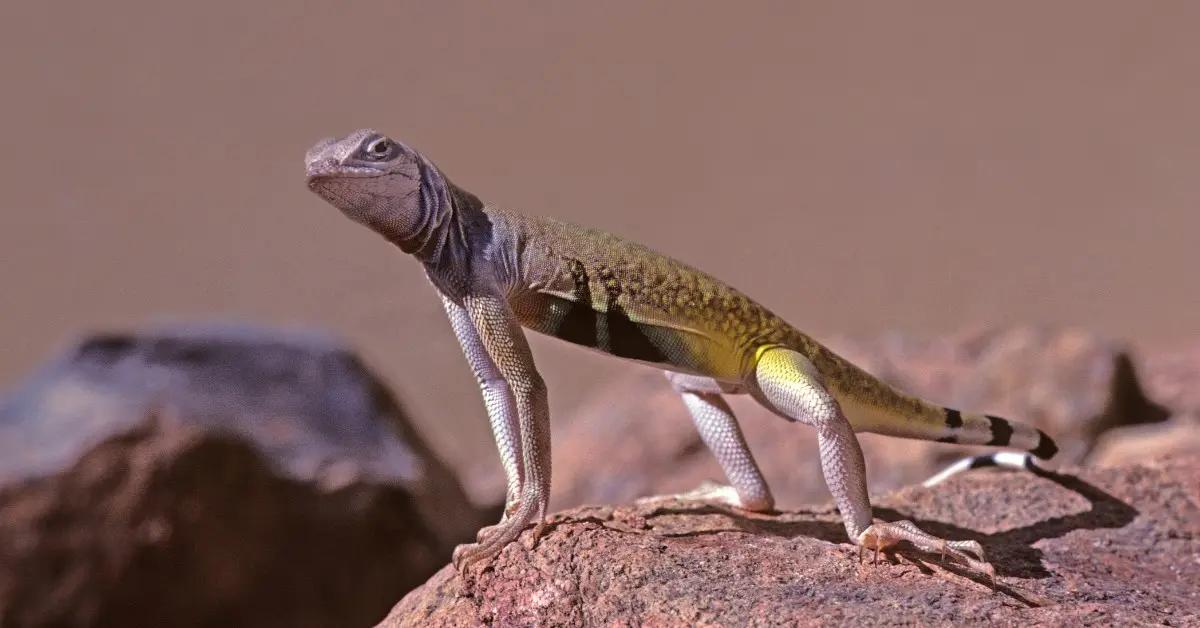
The lava lizards of the Galapagos Islands offer one of the most well-documented push up battle systems in the reptile world. There are seven endemic species found across the archipelago.
When a male lava lizard encounters an intruder, it first performs push ups to establish dominance visually. The intruder then decides — based on what it sees — whether to flee or fight.
If the display does not resolve the dispute, an actual push up battle begins, with both lizards matching displays. If that still fails to determine dominance, physical combat using tail slaps, body blows, and biting follows as a last resort.
Environmental Indicators: What Lizard Push Ups Tell Ecologists
Lizard push up behavior has value beyond the individual animals performing it. Ecologists use the frequency and visibility of these displays to assess habitat health.
Frequent, vigorous push up displays in a given area suggest a healthy, stable population with sufficient resources to support territorial behavior. Lizards only invest in push up displays when conditions are good enough for territory maintenance to be worthwhile.
A sudden drop in display activity in a previously active population can signal environmental stress — habitat degradation, food scarcity, predator pressure, or other ecological disruption.
Do Female Lizards Do Push Ups?
Yes, females of many species perform push ups, though less frequently than males. Female territorial push ups are real and common, particularly in species where females maintain independent egg-laying territories.
Since most lizard species are solitary after mating — females leave their eggs without the male’s involvement — females must independently defend food resources and nest sites. Push ups are their tool for doing so.
Female anoles have been observed performing push up displays to maintain their sub-territories within a male’s broader range, actively competing with other females for prime space.
What Happens When a Lizard Does Push Ups at You?
If a lizard does push ups directed at you, the most likely interpretation is a territorial display. You have entered its perceived space and it is responding instinctively to your presence.
Research from Live Science suggests that in most cases, the lizard is actually displaying at another lizard you may not have noticed — there is probably another lizard nearby you cannot see.
However, some expert herpetologists note that lizards will absolutely do push ups as a threat display directly at humans. It is not a sign of danger to you, but it is a sign the lizard is aware of you and is asserting itself.
Lizard Push Ups Across Different Habitats
The push up display behavior adapts to different environmental conditions across lizard habitats worldwide.
In forest environments, where visibility is limited, lizards tend to be thermoconformers — their body temperature tracks ambient temperature — and display frequency correlates with temperature conditions.
In open desert environments, lizards are more active thermoregulators, selecting specific sun and shade positions. Their display activity peaks within optimal body temperature ranges, typically between 35°C and 38°C based on published research on Urosaurus ornatus.
| Habitat | Display Adaptation | Temperature Influence |
|---|---|---|
| Tropical forest | Shorter, more frequent displays | High ambient temp supports activity |
| Open desert | Displays peak at optimal body temp | Low temps suppress display frequency |
| Rocky coastline (Galapagos) | Push up battles between rivals | Solar basking precedes display activity |
| Suburban/urban | Displays directed at humans and pets | Human presence triggers territorial response |
The Evolutionary Advantage of Push Ups Over Vocalizations
Most lizard species cannot vocalize to communicate the way birds or mammals do. This silence created evolutionary pressure for a different communication channel — visual signals.
Push ups evolved as a long-distance, high-information visual signal that works in daytime conditions across open terrain. They are energy-efficient, quickly understood by other lizards, and reduce the need for dangerous physical fights.
The system allows lizards to convey complex information — species identity, individual fitness, territorial intent, and reproductive readiness — using just their body and gravity.
Frequently Asked Questions (FAQs)
Why do lizards do push ups?
Lizards do push ups primarily to defend territory, attract mates, and warn off threats. It is a form of visual communication used by species that cannot vocalize.
Do all lizards do push ups?
No. Push ups are mostly performed by territorial species such as anoles, iguanas, bearded dragons, and fence lizards. Non-territorial or nocturnal species rarely perform the behavior.
Why does my lizard do push ups at me?
Your lizard is likely treating you as an intruder in its territory. It is a hardwired display response, not personal aggression — the lizard is asserting its space instinctively.
What does a fast push up mean vs. a slow one?
Fast push ups signal aggression or a serious territorial warning. Slow, relaxed push ups function more as a greeting or casual acknowledgment of another lizard’s presence.
Do female lizards do push ups?
Yes. Female lizards perform push ups to defend their own territories and occasionally to signal mating readiness to nearby males, though less frequently than males.
What is a dewlap and how does it relate to push ups?
A dewlap is a brightly colored flap of skin under the throat that many lizards extend during push up displays. It amplifies the visual signal, making it visible from greater distances.
Why do lizards do push ups in the morning?
Morning push ups serve multiple purposes: warming up muscles, marking territory before daily activity, and signaling fitness to rivals and potential mates at the start of the day.
Can lizard push ups help regulate body temperature?
Yes. Lifting the body during a push up creates airflow beneath the abdomen, which helps cool overheated lizards. The physical movement also warms muscles in cool morning conditions.
Are lizard push ups related to shedding skin?
Some experts note that push up movements can help loosen and remove dead or shedding skin, particularly around the front legs and body, serving a grooming function alongside communication.
What should I do if my pet lizard does push ups constantly?
Check the environment first — temperature, UVB lighting, humidity, and whether it can see its own reflection or another lizard. Constant push ups in a pet may indicate stress from environmental problems.
Conclusion
Why do lizards do push ups? The answer is a masterclass in how nature builds complex communication out of simple movement.
What looks like a quirky reptile workout is actually a rich language of territory, fitness, desire, and survival.
Lizards use push ups to claim space without bloodshed, to attract mates without sound, to warn predators without retreating, and to prepare their bodies for the day ahead.
From Galapagos lava lizards staging visual battles on volcanic rocks to pet bearded dragons doing push ups at their own reflection in a tank wall, the behavior is universal among territorial species.
The next time you see a lizard doing push ups, stop and look around — there is almost certainly another lizard somewhere nearby, and you are witnessing one of nature’s most elegant silent conversations.
