

Why are my toenails yellow is one of the most common foot health questions people search for in 2026.
Yellow toenails can seem like a minor cosmetic issue, but they often signal something more important happening beneath the surface.
From everyday causes like nail polish stains to more serious conditions like fungal infections, diabetes complications, or Yellow Nail Syndrome, the color change in your toenails deserves attention.
Why Are My Toenails Yellow? Understanding the Basics
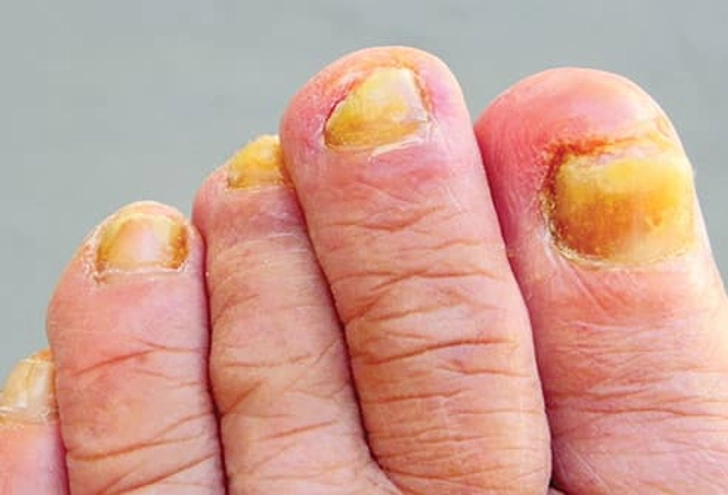
Healthy toenails are typically clear or slightly pink due to the flesh underneath. When they shift to yellow, something has changed.
Yellow discoloration can affect one nail or multiple toes at the same time. The shade can range from pale yellow to dark amber depending on the cause and how long the condition has been present.
Not every case is medically serious. However, persistent yellowing that comes with other symptoms — thickness, crumbling, pain, or odor — almost always requires professional evaluation.
Most Common Causes of Yellow Toenails
Understanding the root cause is the first and most important step toward effective treatment. There are several well-documented reasons why toenails turn yellow.
Toenail Fungal Infection (Onychomycosis)
Toenail fungus is the leading cause of yellow toenails, affecting roughly 20% of Americans. Medically known as onychomycosis, this infection is most often caused by dermatophyte fungi that feed on keratin — the protein that makes up your nail.
The fungi thrive in warm, moist, dark environments such as inside shoes and socks. Public showers, gym locker rooms, swimming pools, and nail salons with poor sanitation are common sources of exposure.
The infection typically starts as a white or yellow spot under the tip of the nail. As it spreads, the nail thickens, discolors further, and the edges begin to crumble. Without treatment, it can spread to other toenails, the surrounding skin, and even fingernails.
Nail Polish Staining
Frequent use of dark-colored nail polish — especially red, orange, and deep yellow shades — is a very common cosmetic cause of yellow toenails. The pigments in these polishes chemically react with the nail plate and leave a stain over time.
This type of yellowing is completely harmless. It grows out naturally as the nail grows and requires no medical treatment.
To speed up recovery, stop using nail polish temporarily, avoid acetone-based removers, and try soaking nails in a diluted vinegar solution (1 part vinegar to 4 parts water). Using a base coat before applying colored polish helps prevent this from happening in the future.
Natural Aging Process
As the body ages, toenail growth slows down and natural moisture levels in the nail plate decline. The nails gradually become thicker, more brittle, and often develop a yellowish tint.
Reduced blood circulation to the feet — common in adults over 50 — also contributes to color changes and slower nail regeneration. This is a natural process rather than a disease.
People with diabetes or peripheral vascular disease are at especially elevated risk because their circulation is already compromised, making age-related nail changes more pronounced.
Psoriasis Affecting the Nails
Nail psoriasis is an autoimmune condition that affects the nails alongside skin and sometimes joints. It can cause yellow or brown discoloration, nail thickening, pitting, and in some cases, the nail lifting from the nail bed.
Nail psoriasis can look nearly identical to a fungal infection, which makes diagnosis tricky. A dermatologist needs to evaluate the nails and may culture them to determine whether the cause is fungal or autoimmune in nature.
Treatment varies depending on severity. Options range from steroid injections directly into the nail cuticle for isolated cases to systemic biologic medications for widespread skin and joint involvement.
Yellow Nail Syndrome (YNS)
Yellow Nail Syndrome is a rare systemic disorder that goes far beyond cosmetic nail changes. People with YNS develop yellow, thickened, curved nails that grow extremely slowly or stop growing altogether.
The condition is often accompanied by respiratory problems such as chronic sinus issues, lung disease, or pleural effusions, as well as lymphedema — swelling of the lower legs caused by impaired lymphatic drainage.
YNS primarily affects adults over 50 and is frequently misdiagnosed. Some researchers believe it may be linked to a mutation in the FOXC2 gene. Early diagnosis is critical because the systemic symptoms require medical management beyond just treating the nails.
Diabetes and Poor Circulation
People living with diabetes are significantly more prone to yellow toenails because of compromised blood circulation and reduced immune response in the extremities.
Poor blood flow means the feet receive fewer infection-fighting cells. This creates an environment where fungal infections take hold more easily, persist longer, and are harder to eliminate without professional treatment.
Diabetics should never ignore yellow toenails. What appears to be a simple cosmetic change can rapidly become a serious foot ulcer or systemic infection if left unaddressed.
Onycholysis
Onycholysis is the separation of the nail plate from the nail bed. When the nail lifts away, the space underneath is exposed to air, which gives the nail a white or yellow appearance from that point forward.
Common triggers include nail trauma, psoriasis, certain medications, and prolonged exposure to water or harsh chemicals. People who work with their hands — butchers, hairdressers, food handlers — are at higher risk.
Keeping nails trimmed, avoiding cleaning aggressively under the nail, and protecting hands from moisture and chemicals helps prevent onycholysis from worsening.
Lymphedema
Lymphedema occurs when the lymphatic system becomes blocked or damaged, causing fluid to accumulate in the soft tissues of the legs and feet. This fluid buildup can affect nail health and contribute to yellow toenail development.
It is closely associated with Yellow Nail Syndrome but can also occur independently as a result of cancer treatment, infection, or injury to the lymphatic system.
If yellow toenails appear alongside visible leg swelling, it is important to seek medical attention promptly, as lymphedema requires specialized management.
Warning Signs: When Yellow Toenails Are Serious
Not all yellow toenails need emergency care, but certain accompanying signs indicate that immediate professional evaluation is needed.
| Warning Sign | What It May Indicate |
|---|---|
| Thickening and crumbling nail edges | Fungal infection (onychomycosis) |
| Foul odor from the nail | Active fungal or bacterial infection |
| Nail lifting from the nail bed | Onycholysis or advanced fungal infection |
| Pain or discomfort when walking | Advanced infection or ingrown toenail |
| Swelling of the legs alongside yellow nails | Yellow Nail Syndrome or lymphedema |
| Breathing problems alongside yellow nails | Yellow Nail Syndrome |
| Yellow nails with no recent polish use | Fungal infection or underlying condition |
| Multiple nails affected at once | Systemic condition or spreading fungal infection |
Seek a podiatrist, dermatologist, or primary care doctor promptly if any of the above signs are present. Do not wait for the condition to resolve on its own when these symptoms appear together.
Yellow Toenails at a Glance: Causes Comparison Table
| Cause | Contagious? | Painful? | Treatment Needed? |
|---|---|---|---|
| Nail Polish Stain | No | No | No — grows out naturally |
| Fungal Infection | Yes | Sometimes | Yes — antifungal medication |
| Aging | No | No | Supportive care |
| Nail Psoriasis | No | Sometimes | Yes — dermatologist |
| Yellow Nail Syndrome | No | No | Yes — specialist care |
| Diabetes Complications | No | Sometimes | Yes — podiatrist |
| Onycholysis | No | Rarely | Yes — treat underlying cause |
| Lymphedema | No | No | Yes — lymphatic specialist |
How Doctors Diagnose Yellow Toenails
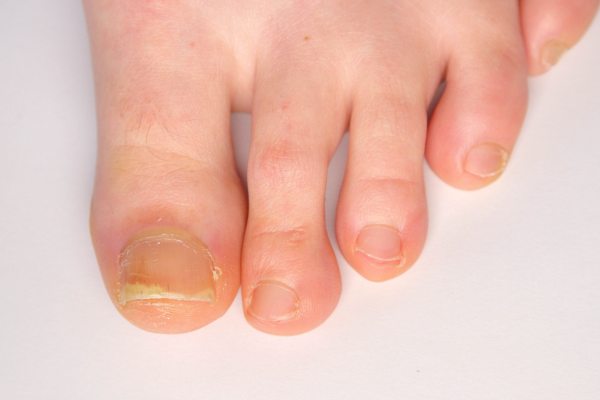
A proper diagnosis determines which treatment will actually work. Guessing at home can delay recovery and sometimes worsen the underlying condition.
Your doctor will begin with a visual examination of the affected nail, looking at color, texture, thickness, shape, and whether the nail has separated from the nail bed.
In many cases, a nail clipping or scraping will be sent to a laboratory to identify the exact type of fungus present. Knowing the specific organism helps tailor the antifungal prescription precisely.
If nail psoriasis or Yellow Nail Syndrome is suspected, the doctor may order blood tests, chest imaging, or refer you to a specialist such as a pulmonologist or rheumatologist.
Medical Treatment Options for Yellow Toenails
The right treatment depends entirely on the underlying cause. Several effective options are available ranging from topical applications to surgical removal.
Topical Antifungal Medications
For mild to moderate fungal infections, topical antifungals are the first line of treatment. Ciclopirox 8% is a commonly prescribed topical solution applied to the nails like nail polish once daily.
Topical treatments require patience. Because toenails grow slowly, it can take 9–12 months to see full clearance. They work best for early-stage infections that haven’t penetrated deeply into the nail bed.
Oral Antifungal Medications
For moderate to severe fungal nail infections, oral antifungal medications such as terbinafine or itraconazole are significantly more effective than topicals. These medications work from the inside out, targeting the fungus through the bloodstream.
Treatment typically lasts 6–12 weeks, but the nail may take a year or more to fully grow out clear. Liver function should be monitored during oral antifungal treatment as these medications can affect liver enzymes in some patients.
Laser Therapy
The FDA has approved two types of laser treatments designed to improve the appearance of nails affected by fungal infections. Laser therapy uses targeted energy to penetrate the nail and reduce fungal activity without damaging surrounding tissue.
Current research shows that combining laser therapy with antifungal medication produces better outcomes than either treatment alone. However, many insurance plans do not cover laser treatment, so cost is a factor to discuss with your provider.
Surgical Nail Removal
In severe cases where the infection has destroyed the nail and other treatments have failed, surgical removal of the infected nail may be recommended. New healthy nail tissue grows back over the course of several months.
This is typically a last resort but can provide a clean slate for treatment of the nail bed itself once the infected tissue is removed.
Antibiotics (For Yellow Nail Syndrome)
Some studies have shown that the antibiotic clarithromycin may help clear yellow toenails associated with Yellow Nail Syndrome, particularly when an underlying systemic infection is contributing to the condition. This should only be prescribed after proper medical evaluation.
Home Remedies for Yellow Toenails
Several home remedies offer mild improvement for early-stage yellow toenails, particularly those caused by minor fungal infections or cosmetic staining.
Tea Tree Oil
Tea tree oil is a natural antifungal agent that has shown mild effectiveness against toenail fungus in several studies. Apply it directly to the affected nail 2–3 times daily using a cotton swab.
It works slowly and is best for very early or mild cases. It does not replace prescription treatment for established infections.
Vicks VapoRub
Research has shown that Vicks VapoRub — typically used for chest congestion — contains thymol and camphor, which have antifungal properties. Studies report that over 25% of patients using it experienced improvement in yellow toenail appearance.
Apply a small amount to the affected nail each night and cover with a sock. Results take months but can be meaningful for mild cases.
Vinegar Soaks
Soaking the affected foot in a solution of warm water and white vinegar (1 part vinegar to 4 parts water) for 20 minutes daily creates an acidic environment that inhibits fungal growth.
This is also helpful for reducing cosmetic yellowing from nail polish. It is safe, inexpensive, and can be done at home without any side effects.
Baking Soda Soaks
Baking soda has antifungal properties and can help reduce the environment fungi need to thrive. Soak nails in warm water mixed with baking soda for 15–20 minutes and dry thoroughly afterward.
Coconut Oil and Olive Leaf Extract
Both coconut oil and olive leaf extract contain natural compounds that disrupt fungal cell walls. Applying either oil to the nail multiple times per day may provide gradual improvement in early cases.
These remedies are supportive rather than curative and should be used alongside professional treatment for anything beyond mild cosmetic staining.
Risk Factors: Who Gets Yellow Toenails Most Often?
Certain groups of people face a higher risk of developing yellow toenails due to lifestyle, health conditions, or age-related changes.
| Risk Factor | Why It Increases Risk |
|---|---|
| Athletes and runners | Feet stay moist inside shoes for extended periods |
| Diabetics | Poor circulation reduces immune response in feet |
| Adults over 50 | Nails become thicker and more brittle with age |
| People with psoriasis | Nail involvement is a common extension of the condition |
| Swimmers and gym users | Regular exposure to shared wet environments |
| Frequent nail polish users | Repeated staining and moisture trapping under polish |
| People with immune conditions | Reduced ability to fight fungal and bacterial infections |
| Those with poor foot hygiene | Fungal organisms thrive in unclean, moist environments |
Understanding your personal risk factors allows you to take targeted preventive steps before yellow toenails develop.
How to Prevent Yellow Toenails
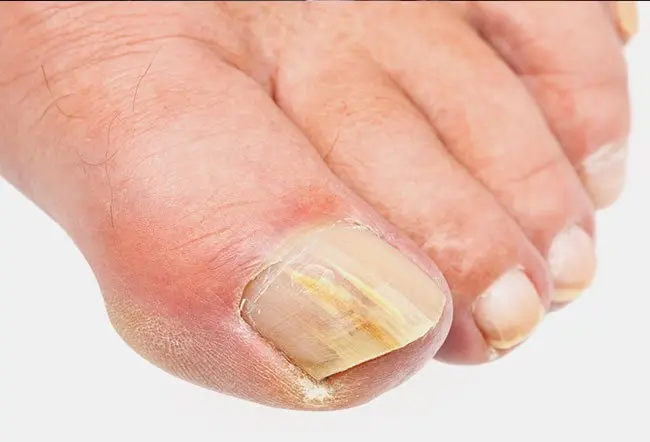
Prevention is almost always easier than treatment. Establishing good nail hygiene habits significantly reduces the risk of developing yellow toenails from both cosmetic and medical causes.
Keep your feet clean and completely dry, especially between the toes after bathing, swimming, or exercising. Moisture is the number one enabler of fungal growth.
Always wear clean socks made from moisture-wicking materials such as cotton or wool blends. Change socks daily and more frequently after intense physical activity.
Trim toenails straight across — not curved — using clean, sanitized nail clippers. Curved trimming increases the risk of ingrown toenails and creates entry points for infection.
Wear properly fitting shoes that allow toes to breathe. Avoid tight footwear that traps heat and moisture, especially during hot weather or athletic activity.
Always wear flip-flops or sandals in public showers, locker rooms, and pool areas. Never walk barefoot in these high-risk environments.
If you get pedicures at a salon, verify that the salon sanitizes foot baths, tools, and stations between every client. Contaminated pedicure equipment is a documented source of fungal nail infections.
Apply antifungal sprays or powders inside your shoes regularly, especially if you wear closed-toe shoes for most of the day.
Use a base coat before applying colored nail polish. This creates a physical barrier between the pigment and the nail plate, preventing cosmetic staining.
Toenail Health Across Age Groups
Yellow toenails affect people of all ages, but the most common causes shift depending on life stage.
| Age Group | Most Common Cause | Key Prevention Tip |
|---|---|---|
| Teens and young adults | Nail polish staining, athlete’s foot | Use base coat, keep feet dry |
| Adults 30–50 | Fungal infection | Antifungal sprays, breathable shoes |
| Adults 50+ | Aging, poor circulation, fungal | Regular foot inspections, podiatrist visits |
| Diabetics (any age) | Poor circulation, persistent fungal | Podiatrist care every 3–6 months |
When to See a Doctor for Yellow Toenails
Many people wait too long before seeking professional help for yellow toenails, allowing an underlying condition to worsen unnecessarily.
See a podiatrist or dermatologist if your toenails remain yellow for more than 2–3 weeks with no clear cosmetic explanation such as recent nail polish use.
Seek immediate attention if the nail is painful, deformed, bleeding, or discharging fluid. These signs indicate an infection that needs prescription treatment.
If yellow toenails are accompanied by swelling in the legs, breathing difficulties, or unexplained fatigue, seek a full medical evaluation as these combinations can indicate Yellow Nail Syndrome or a systemic condition.
People with diabetes or circulation disorders should see a podiatrist at the first sign of any nail discoloration. Complications in this group escalate faster than in healthy adults.
Yellow Toenails vs Other Nail Discoloration: Quick Reference
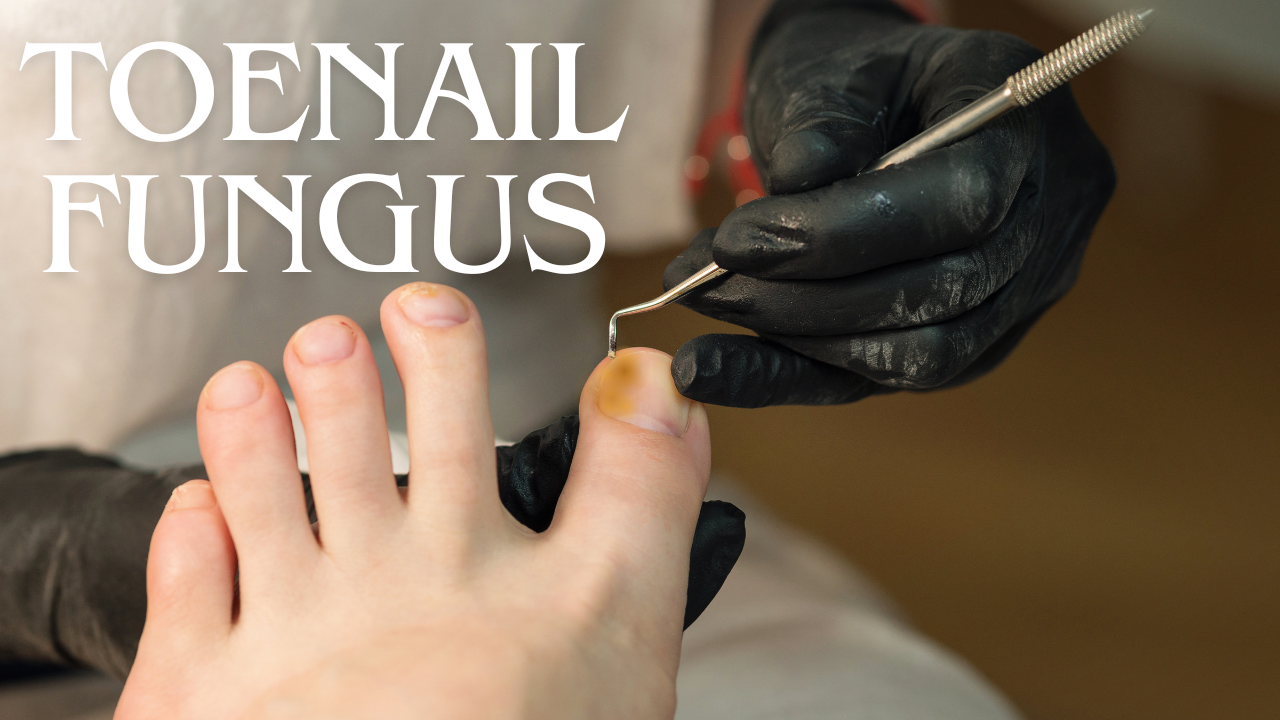
Sometimes yellow is confused with other nail color changes that have completely different causes.
| Nail Color | Common Cause | Action |
|---|---|---|
| Yellow | Fungal infection, aging, nail polish, YNS | See podiatrist if persistent |
| White spots | Trauma, zinc deficiency | Monitor, usually resolves |
| Black streaks | Trauma, rarely melanoma | See doctor promptly |
| Green tint | Bacterial infection (Pseudomonas) | Medical treatment required |
| Brown | Tobacco staining, psoriasis | Evaluate cause |
| Blue/purple | Trauma, circulation issue | Immediate evaluation |
Recognizing the difference between yellow and other discolorations helps you determine the urgency and type of care needed.
Frequently Asked Questions (FAQs)
Why are my toenails yellow all of a sudden?
Sudden yellowing is most often caused by a new fungal infection, especially if you’ve recently used public showers or pools. It can also be triggered by prolonged nail polish use without a base coat.
Can yellow toenails go away on their own?
If caused by nail polish staining, yellow toenails will clear on their own as the nail grows. Fungal or medical causes will not resolve without proper treatment and tend to worsen over time.
Is yellow toenail fungus contagious?
Yes, toenail fungus is contagious. It can spread to other toenails, the surrounding skin, and to other people through shared shoes, socks, towels, or contact in public wet areas.
What is the fastest way to fix yellow toenails?
The fastest medically effective approach is oral antifungal medication prescribed by a doctor, combined with good foot hygiene. Home remedies offer slower, milder results and work best for very early or cosmetic cases only.
Can diabetes cause yellow toenails?
Yes. Diabetes reduces blood circulation and immune function in the feet, making fungal infections far more common and persistent. Diabetics should see a podiatrist regularly to monitor nail and foot health.
What does Yellow Nail Syndrome mean?
Yellow Nail Syndrome is a rare disorder where nails turn yellow, thicken, and curve while also causing respiratory symptoms and leg swelling. It requires specialist medical evaluation and is not the same as a simple fungal infection.
How long does it take to treat yellow toenails from fungus?
Oral antifungal treatment takes 6–12 weeks, but the nail may take 9–18 months to fully grow out clear. Topical treatments take even longer and work best for mild, early-stage infections.
Can nail polish cause permanent yellow staining?
No. Polish-related staining is not permanent. It grows out naturally over weeks to months. Avoiding dark polishes, using a base coat, and giving nails a break from polish altogether accelerates recovery.
Should I see a podiatrist or dermatologist for yellow toenails?
Either specialist can evaluate and treat yellow toenails. A podiatrist is ideal for foot-specific issues like fungal infections, while a dermatologist is best if nail psoriasis or skin involvement is suspected.
Are there any vitamins that help with yellow toenails?
Some evidence supports biotin, zinc, and vitamin E for general nail health and strength. However, vitamins alone will not cure a fungal infection. They work best as supportive measures alongside proper medical treatment.
Conclusion
Why are my toenails yellow is a question that deserves a clear, evidence-based answer because the cause can range from completely harmless cosmetic staining to a serious underlying health condition.
The most common culprit in 2026 remains toenail fungal infection — a persistent, contagious condition that affects roughly 1 in 5 Americans and worsens without treatment.
Other significant causes include aging, nail psoriasis, diabetes complications, and the rare but serious Yellow Nail Syndrome. Recognizing the warning signs early — thickening, crumbling, odor, nail separation, or accompanying leg swelling — allows you to act before the condition escalates.
Treatment options range from topical antifungals and home remedies to oral medications and laser therapy. Prevention through good foot hygiene, moisture control, and regular nail care remains the most reliable long-term strategy.
If your toenails have been yellow for more than a few weeks and there is no clear cosmetic explanation, schedule an appointment with a podiatrist or dermatologist without delay. Your nails are a visible indicator of your overall health — pay attention to what they are telling you.
