

Why are my teeth sensitive all of a sudden is one of the most common dental questions people search for in 2026, and the answer matters more than most people realize.
Sudden tooth sensitivity can strike without warning, turning your morning coffee or evening ice cream into a source of sharp, shooting pain.
It is not just uncomfortable, it is your body’s way of telling you something has changed inside your mouth. Whether caused by enamel erosion, gum recession, a cracked tooth, or a recent dental procedure, sudden sensitivity deserves attention.
What Is Tooth Sensitivity and Why Does It Happen Suddenly

Tooth sensitivity, also called dentin hypersensitivity, occurs when the inner layer of your tooth called dentin becomes exposed. Dentin contains thousands of microscopic tubules that connect directly to the nerve of your tooth.
When dentin is exposed, hot, cold, sweet, sour, or acidic stimuli travel through those tubules and trigger a sharp pain signal. The brain receives that signal almost instantly, which is why the pain feels so sudden and intense.
The outer enamel normally acts as a protective shield. Once that shield is compromised through erosion, wear, cracking, or gum pulling away, sensitivity can appear seemingly overnight.
How Common Is Sudden Tooth Sensitivity
According to research referenced by the American Family Physician, approximately 22 percent of adults have experienced dental pain including tooth sensitivity within any given six-month period.
At least 12 percent of people have some form of dentin hypersensitivity that causes regular discomfort when eating or drinking. This makes sudden tooth sensitivity one of the most prevalent dental complaints across all age groups.
The fact that it is so common does not mean it should be ignored. Sudden sensitivity often signals an underlying condition that will worsen without treatment.
Top 13 Causes of Sudden Tooth Sensitivity
Understanding the specific cause behind why your teeth are sensitive all of a sudden is the first step toward getting the right fix. Below are the most common triggers identified by dental professionals.
Cause 1: Enamel Erosion
Enamel erosion occurs when the hard outer surface of your teeth wears down due to repeated exposure to acid, aggressive brushing, or other physical forces. Once enamel is lost it cannot regenerate on its own.
Acidic foods and drinks including citrus fruits, sodas, sports drinks, tomatoes, and pickles are primary contributors. Coffee and tea also contain acids that, consumed daily, gradually thin enamel over months or years before sensitivity suddenly appears.
When enough enamel wears away, the dentin underneath becomes exposed and what was once a comfortable meal becomes a painful experience.
Cause 2: Gum Recession
Gum recession means the gum tissue surrounding your teeth pulls back and exposes the root surface. Unlike the crown of your tooth, the root is not covered by enamel.
The exposed root is covered only by a softer material called cementum, which offers far less protection against heat, cold, and pressure. Even gentle contact with room-temperature water can trigger sharp pain when gum recession is significant.
Causes of gum recession include aggressive brushing, gum disease, hormonal changes, genetics, tobacco use, and aging. Even if you have had healthy gums for years, recession can advance quickly enough to cause sudden sensitivity.
Cause 3: Teeth Grinding (Bruxism)
Bruxism, or the habit of grinding and clenching your teeth, is one of the most destructive forces acting on tooth enamel. Many people grind their teeth during sleep without realizing it.
The constant friction wears down enamel layer by layer. Over months or years of grinding, enamel thins to the point where the dentin underneath is permanently exposed. The result is teeth that suddenly feel sensitive to virtually everything.
Signs of bruxism include a sore jaw in the morning, worn-down tooth surfaces, and headaches. A dentist can identify grinding damage during a routine exam.
Cause 4: Cracked or Chipped Teeth
A crack in a tooth, even a hairline fracture that is invisible to the naked eye, can create a direct pathway for bacteria and temperature changes to reach the nerve. Cracks can occur from biting hard foods, facial trauma, temperature changes, or existing fillings under pressure.
Cracked tooth syndrome often produces a sharp pain specifically when biting down or releasing from a bite, which distinguishes it from other forms of sensitivity. It can also cause lingering pain after the trigger is removed.
Even a small chip can expose dentin and trigger sensitivity that did not exist the day before.
Cause 5: Tooth Decay and Cavities
Cavities are areas of tooth decay caused by bacteria producing acids that eat through enamel. As a cavity progresses from the enamel into the deeper dentin layer, sensitivity increases dramatically.
Many people do not feel any pain in the early stages of a cavity. The sudden arrival of sensitivity to sweet, cold, or hot foods often signals that decay has advanced far enough to reach or threaten the nerve.
Untreated cavities continue to deepen until they reach the pulp of the tooth, at which point a root canal may be required to resolve the problem.
Cause 6: Aggressive Brushing or Hard Toothbrush
Using too much pressure while brushing or using a hard-bristled toothbrush causes a double threat. It wears down enamel on the tooth surface and simultaneously injures gum tissue, causing it to pull back from the tooth.
Dentists universally recommend brushing with a soft-bristled toothbrush using gentle circular motions. Horizontal back-and-forth scrubbing is particularly damaging because it concentrates force at the gum line where enamel is thinnest.
Many people brush harder thinking they are cleaning better, when in reality they are creating the exact conditions that lead to sudden sensitivity.
Cause 7: Recent Dental Procedures
Dental work including fillings, crowns, teeth cleaning, and whitening treatments can all cause a temporary increase in tooth sensitivity. The manipulation of tooth structure during these procedures can irritate the nerve temporarily.
Sensitivity after a filling is extremely common and usually resolves within a few days to several weeks. If sensitivity from a dental procedure persists for more than four to six weeks or worsens over time, it should be reported to your dentist promptly.
Root canal therapy, while sometimes necessary for severe sensitivity, can itself cause temporary soreness in the surrounding tooth and gum tissue during recovery.
Cause 8: Teeth Whitening Products
Both at-home whitening strips and professional whitening treatments use peroxide-based bleaching agents that can temporarily sensitize teeth. The peroxide penetrates through enamel into the dentin and stimulates the nerve endings.
Sensitivity from whitening can begin during the treatment or within 24 hours afterward. It typically resolves within 48 to 72 hours but can last longer depending on the concentration of peroxide used and the baseline health of your enamel.
Using whitening products too frequently without consulting a dentist increases the risk of persistent sensitivity.
Cause 9: Acidic Foods and Drinks
Even without visible enamel erosion, regular consumption of highly acidic foods and beverages creates an environment inside the mouth that progressively weakens enamel and makes teeth more reactive to stimuli.
Citrus juices, carbonated drinks, wine, coffee, and vinegar-based foods are among the most common dietary triggers. Sipping acidic drinks throughout the day is more damaging than consuming them at a single meal because it maintains acid contact with teeth for hours.
The combination of acid exposure followed by brushing too soon afterward is particularly harmful because enamel is temporarily softened by acid and brushing removes it more easily in that window.
Cause 10: Gum Disease (Gingivitis and Periodontitis)
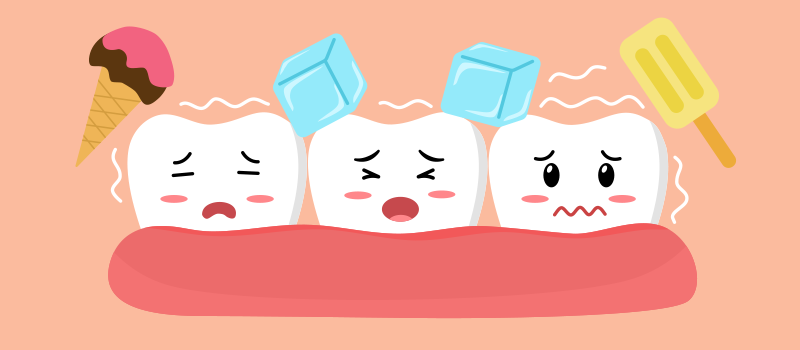
Gum disease is one of the most serious underlying causes of sudden tooth sensitivity. Gingivitis, the early stage, causes gum swelling and bleeding. As it advances to periodontitis, the gums pull away from teeth and the underlying bone can begin to deteriorate.
Gum recession caused by periodontal disease exposes the root surfaces in a way that is often difficult or impossible to reverse without surgical intervention. The resulting sensitivity can be severe and affect multiple teeth simultaneously.
Any sudden sensitivity accompanied by bleeding gums, bad breath, or visible gum changes should prompt an immediate dental appointment to assess for gum disease.
Cause 11: Sinus Infection
A maxillary sinus infection, located just above the upper back teeth, can create pressure that causes the roots of upper molars to feel painful and sensitive. This is called referred pain.
The roots of the upper back teeth sit very close to the floor of the sinus cavity. When that cavity becomes inflamed and filled with fluid, the pressure transmitted to the roots can feel identical to tooth sensitivity.
If multiple upper back teeth suddenly feel sensitive at the same time, particularly alongside nasal congestion or facial pressure, a sinus infection rather than a dental problem may be the cause.
Cause 12: Hormonal Changes
Hormonal fluctuations, particularly during pregnancy, menstruation, and menopause, can increase blood flow to the gums and make them more sensitive and reactive. This can extend to overall tooth sensitivity in some individuals.
Pregnancy gingivitis is a well-documented condition in which elevated hormones cause the gums to respond more intensely to bacterial plaque, leading to inflammation and sensitivity that did not exist before pregnancy.
Women who notice sudden tooth or gum sensitivity correlated with hormonal cycles should discuss this connection with both their dentist and their physician.
Cause 13: Plaque Buildup at the Gumline
Excessive plaque accumulation near the roots of teeth produces acids and harbors bacteria that erode protective surfaces over time. As plaque builds up near the gumline, it can trigger inflammation and recession that gradually exposes the root.
Regular professional cleanings remove tartar that cannot be eliminated through brushing alone. Without regular cleanings, plaque hardens into tartar which physically pushes the gum tissue away from the tooth.
People who skip dental cleanings for extended periods may notice sudden sensitivity as the cumulative effect of plaque buildup reaches a tipping point.
Summary: Causes of Sudden Tooth Sensitivity
| Cause | Primary Mechanism | Affected Area |
|---|---|---|
| Enamel Erosion | Acid and abrasion wear away enamel | Crown of tooth |
| Gum Recession | Gums pull back, exposing roots | Root surface |
| Teeth Grinding | Mechanical wear removes enamel | Biting surfaces |
| Cracked Tooth | Fracture exposes dentin or nerve | Entire tooth |
| Cavities | Decay progresses into dentin | Interior of tooth |
| Aggressive Brushing | Wears enamel and injures gums | Crown and gumline |
| Dental Procedures | Temporary nerve irritation | Treated tooth |
| Whitening Products | Peroxide penetrates enamel | Multiple teeth |
| Acidic Diet | Acid dissolves enamel gradually | Crown of tooth |
| Gum Disease | Infection causes gum recession | Root surface |
| Sinus Infection | Pressure on upper tooth roots | Upper molars |
| Hormonal Changes | Increased gum sensitivity | Gums and roots |
| Plaque Buildup | Acid and bacteria erode enamel | Gumline and roots |
Signs and Symptoms to Watch For
The hallmark symptom of sudden tooth sensitivity is a sharp, shooting pain that arrives quickly in response to a specific trigger and typically fades within seconds to minutes. This is what separates sensitivity from chronic toothache.
Common triggers include hot foods and drinks, cold foods and drinks, sweet or sugary foods, sour or acidic items, cold air entering the mouth, and the physical pressure of brushing or flossing.
More serious warning signs include pain that lingers for more than 30 seconds after a trigger is removed, spontaneous pain without any trigger, visible swelling or bleeding in the gums, a noticeable crack or chip in the tooth, and fever accompanying tooth pain. These signs require immediate dental evaluation.
When Should You See a Dentist
You should see a dentist as soon as possible if your teeth are sensitive all of a sudden and you cannot identify a simple, temporary cause such as recent whitening treatment or a dental procedure from the past few days.
Seek urgent dental care if you experience sensitivity lasting more than 48 hours, severe throbbing pain, pain accompanied by fever or swelling, visible dark spots or holes on the tooth surface, or pain so severe it interferes with eating or sleeping.
Even mild sudden sensitivity that does not resolve on its own within two to three weeks warrants a professional examination. Early intervention prevents minor problems from becoming expensive procedures.
Professional Treatments for Sensitive Teeth
Desensitizing Toothpaste
Desensitizing toothpaste contains ingredients such as potassium nitrate or stannous fluoride that work by either blocking the dentinal tubules or calming the nerve response. They require consistent use twice daily for two to four weeks before maximum benefit is achieved.
Brands such as Sensodyne are clinically proven for this purpose. Dentists often recommend applying a small amount directly to the sensitive tooth with a fingertip at bedtime in addition to regular brushing.
Fluoride Treatments
Professional fluoride gel, varnish, or rinse treatments applied in a dental office deliver a high concentration of fluoride directly to the tooth surface. Fluoride strengthens enamel by promoting remineralization and helps to seal dentinal tubules.
In-office fluoride treatments are more concentrated and effective than over-the-counter products. They are especially useful for patients with early enamel erosion or multiple sensitive teeth.
Dental Bonding
Dental bonding involves applying a tooth-colored resin material directly over exposed dentin or root surfaces. The resin creates a physical barrier between the sensitive area and temperature or chemical triggers.
Bonding is relatively quick, minimally invasive, and effective for localized sensitivity caused by small areas of exposed root or enamel loss. It can last several years with proper care.
Dental Sealants
Sealants are protective coatings applied to tooth surfaces to seal and protect exposed dentin. They work similarly to bonding but are thinner and often used on multiple teeth simultaneously.
Gum Grafting
When gum recession is severe, a gum graft procedure involves taking tissue from the palate or using donor tissue to cover exposed roots. This is the most effective long-term treatment for sensitivity caused by significant gum recession.
Gum grafting restores the natural protective gum line, eliminates root exposure, and dramatically reduces or eliminates associated sensitivity. Recovery takes one to two weeks.
Root Canal Therapy
Root canal therapy is reserved for the most severe cases where the nerve inside the tooth has been permanently damaged by decay, infection, or trauma. During a root canal, the damaged nerve tissue is removed, the canals are cleaned and sealed, and the tooth is restored with a crown.
While root canal is often feared, it is the definitive solution when sensitivity has progressed to constant, severe pain that does not respond to other treatments.
Treatment Options Overview Table
| Treatment | Best For | Timeframe for Relief |
|---|---|---|
| Desensitizing Toothpaste | Mild to moderate sensitivity | 2 to 4 weeks |
| Fluoride Treatment (In-office) | Enamel erosion, multiple teeth | Days to weeks |
| Dental Bonding | Exposed dentin or root spots | Immediate |
| Dental Sealants | Multiple sensitive surfaces | Immediate |
| Gum Graft | Severe gum recession | After healing (weeks) |
| Mouthguard (Night Guard) | Bruxism-related sensitivity | Weeks of consistent use |
| Root Canal | Nerve damage, severe decay | After healing (days) |
| Cavity Filling | Decay-related sensitivity | Days |
At-Home Remedies and Quick Relief Options
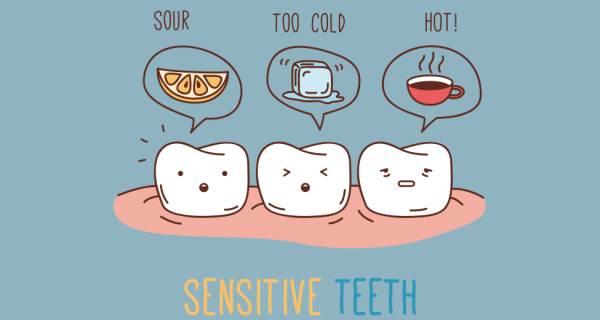
While professional treatment addresses the root cause, several at-home strategies can provide meaningful relief while you wait for or between dental appointments.
Switch to a soft-bristled toothbrush immediately if you are not already using one. Use it with a desensitizing toothpaste using gentle circular strokes. Do not press hard against the gum line.
Rinse with a fluoride mouthwash daily to strengthen enamel over time. Avoid brushing immediately after consuming acidic foods or drinks. Wait at least 30 minutes to allow saliva to neutralize the acid and enamel to re-harden before brushing.
Drink acidic beverages through a straw to minimize contact with teeth. Avoid extremely hot or cold foods temporarily until sensitivity resolves or is treated. Chewing sugar-free gum stimulates saliva production, which naturally protects enamel.
If you suspect nighttime grinding, sleep on your side rather than your back, practice jaw relaxation exercises before bed, and ask your dentist about a custom night guard at your next appointment.
Foods That Worsen Tooth Sensitivity
Certain foods and drinks dramatically increase the pain of sensitive teeth and should be minimized or avoided while you are managing sensitivity. Understanding these triggers helps you avoid unnecessary discomfort.
Very cold items including ice cream, ice water, frozen drinks, and cold fruits tend to be the most universally reported triggers. Very hot beverages including coffee, tea, and hot soup are also common culprits.
Sugary sweets, carbonated drinks, citrus juices, wine, pickled vegetables, and sour candies all have high acid content that directly irritates exposed dentin. Even breathing cold air through the mouth can trigger a pain response when sensitivity is severe.
Foods That Trigger Sensitivity vs Foods That Help
| Triggers Sensitivity | Helps Protect Teeth |
|---|---|
| Ice cream, frozen drinks | Dairy products (cheese, milk, yogurt) |
| Hot coffee and tea | Leafy vegetables |
| Citrus fruits and juices | Sugar-free gum (xylitol) |
| Carbonated sodas | Plain water |
| Wine (red and white) | Nuts and lean proteins |
| Sour candies | Eggs and fatty fish |
| Pickles and vinegar dressings | Fluoride-enriched water |
Prevention: How to Stop Sensitivity Before It Starts
Prevention is always more effective and less costly than treatment when it comes to dental health. Many causes of sudden tooth sensitivity are entirely avoidable with consistent habits.
Brush twice daily with a soft-bristled toothbrush using gentle, circular motions. Replace your toothbrush every three to four months or when bristles begin to fray. Never use a medium or hard-bristled brush.
Use a fluoride toothpaste daily and consider a fluoride rinse if your dentist recommends additional enamel strengthening. Floss once daily to remove plaque from between teeth and along the gumline where it causes the most damage.
See your dentist every six months for professional cleanings and examinations. Early detection of gum recession, cavities, and enamel erosion allows treatment before sensitivity develops. Address teeth grinding with a custom mouthguard if your dentist identifies evidence of bruxism.
Limit acidic and sugary foods and drinks. When you do consume them, rinse your mouth with water immediately afterward and wait 30 minutes before brushing. Stay hydrated throughout the day because saliva is your mouth’s natural protective mechanism.
Special Situations: Sensitivity During Pregnancy
Pregnant women frequently report sudden tooth sensitivity due to the hormonal changes that increase blood flow to gum tissue. Pregnancy gingivitis affects a significant percentage of pregnant women and can cause gums to be swollen, tender, and prone to recession.
Morning sickness that involves frequent vomiting also exposes teeth to stomach acid, which is highly erosive. Pregnant women who experience frequent vomiting should rinse with a baking soda and water solution immediately after vomiting rather than brushing, to neutralize acid without further scrubbing softened enamel.
Regular dental visits are safe and important during pregnancy. Informing your dentist of your pregnancy allows them to monitor gum health and provide appropriate preventive treatments.
Sensitivity After Dental Work: Is It Normal
Yes, tooth sensitivity after most dental procedures is completely normal and expected. The degree of sensitivity and how long it lasts depends on the type and extent of the procedure performed.
After a filling, sensitivity to pressure, cold, and sweets typically resolves within two to four weeks. After a crown preparation, sensitivity may last four to six weeks as the tooth adjusts. After a professional cleaning, mild sensitivity for a day or two is common, especially if tartar was removed from near the gumline.
If sensitivity after a dental procedure worsens rather than improves over time, contact your dentist. This may indicate that the nerve was affected or that additional treatment is needed.
Children and Tooth Sensitivity
Children can experience sudden tooth sensitivity for many of the same reasons as adults including cavities, grinding, acidic diets, and aggressive brushing. Children who consume large amounts of sports drinks, juices, and sodas are particularly vulnerable to enamel erosion.
Newly erupted permanent teeth in children and adolescents naturally have larger nerve canals and thinner enamel, making them more sensitive than mature adult teeth. This sensitivity typically reduces as the teeth mature over time.
Parents should teach children proper soft-bristled brushing technique from an early age and limit acidic beverage consumption. Regular pediatric dental visits every six months help catch early signs of enamel erosion or decay before sensitivity develops.
Long-Term Consequences of Ignoring Sudden Sensitivity
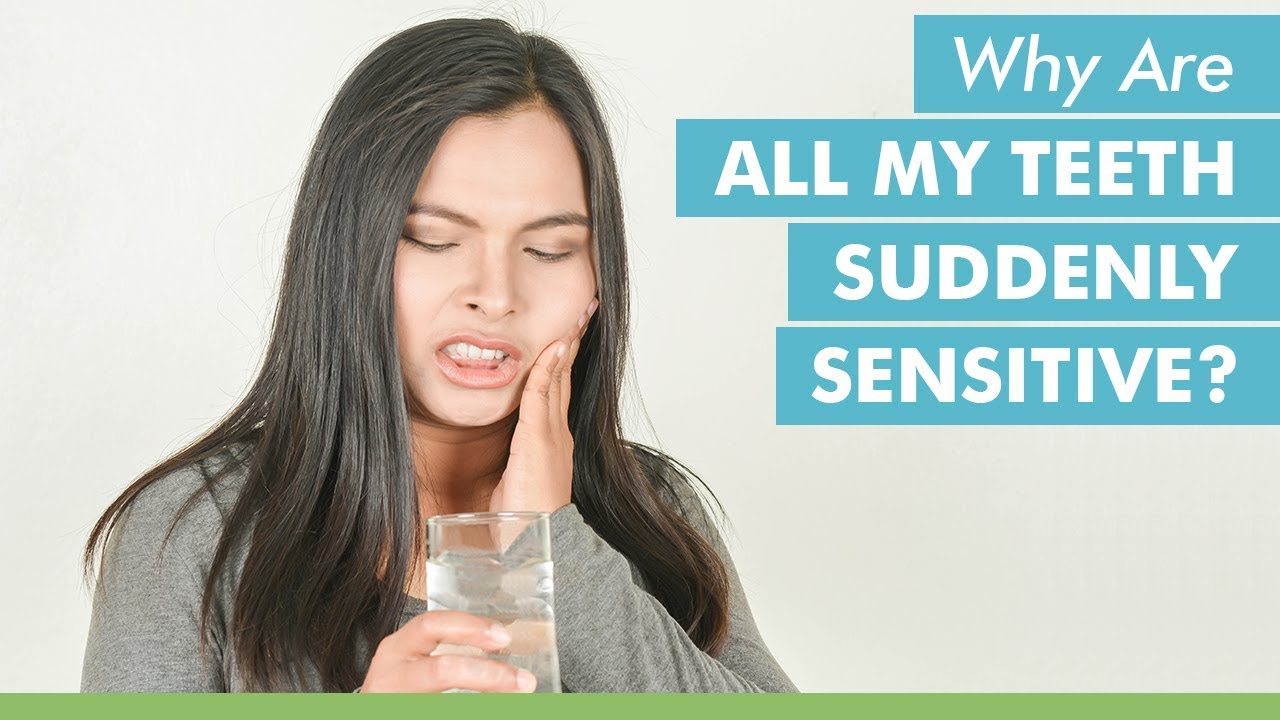
Ignoring sudden tooth sensitivity is one of the most common dental mistakes people make. Without treatment, the underlying cause almost always worsens over time and leads to more serious and more expensive problems.
Untreated cavities progress from enamel into dentin and eventually reach the pulp, requiring root canal therapy or extraction. Untreated gum disease advances to periodontitis, which destroys the bone supporting teeth and can result in tooth loss.
Untreated gum recession continues to expose more root surface, making the affected teeth increasingly fragile. Untreated cracked teeth can split completely, requiring extraction. What begins as manageable sensitivity can become a dental emergency within months.
Frequently Asked Questions (FAQs)
Q1. Why are my teeth sensitive all of a sudden when they never were before?
Sudden sensitivity usually means something has recently changed, such as enamel beginning to thin, gum recession advancing, a new cavity forming, or a small crack developing. Schedule a dental appointment to identify the exact cause before it worsens.
Q2. Can tooth sensitivity go away on its own?
Mild sensitivity caused by recent dental work or whitening treatments often resolves within days to a few weeks. Sensitivity caused by gum recession, decay, or structural damage will not resolve without professional treatment.
Q3. What is the fastest way to fix sensitive teeth?
Switching to a desensitizing toothpaste containing potassium nitrate and applying it directly to the sensitive tooth at bedtime provides the fastest at-home relief. For faster and more complete relief, a dentist can apply fluoride varnish or dental bonding in a single appointment.
Q4. Is sudden tooth sensitivity a sign of a cavity?
It can be. When a cavity progresses deep enough into the dentin, it triggers sensitivity to sweet, cold, and hot stimuli. Only a dental X-ray and examination can confirm whether a cavity is the cause of your sudden sensitivity.
Q5. Why are my teeth sensitive to cold but not heat?
Cold sensitivity is the most common form of dentin hypersensitivity and often indicates exposed dentin from enamel erosion or gum recession. Sensitivity to heat that lingers for more than 30 seconds can indicate a more serious issue involving nerve damage or infection.
Q6. Can teeth grinding cause sudden sensitivity?
Yes, teeth grinding erodes enamel progressively until dentin is exposed, which can cause sensitivity that appears to arrive suddenly after months of cumulative wear. A custom night guard from your dentist stops further enamel damage.
Q7. Does whitening cause permanent tooth sensitivity?
In most cases whitening-related sensitivity is temporary and resolves within 48 to 72 hours of completing treatment. Overuse of whitening products or using products that are too strong can cause more prolonged sensitivity, so always consult your dentist before whitening.
Q8. Can a sinus infection cause tooth sensitivity?
Yes, a sinus infection in the maxillary sinuses directly above the upper back teeth can create pressure that feels identical to tooth sensitivity. If multiple upper molars are suddenly sensitive alongside nasal symptoms, a sinus infection may be the cause.
Q9. What type of toothbrush should I use for sensitive teeth?
Always use a soft-bristled toothbrush and apply gentle pressure in circular motions. Electric toothbrushes with a pressure sensor are ideal because they alert you when you are pressing too hard. Avoid medium or hard bristles entirely.
Q10. How long does sensitivity from a dental cleaning last?
Sensitivity after a professional dental cleaning typically lasts one to three days. If the cleaning involved significant tartar removal near the gumline or root surface, sensitivity may last up to one week. Persistent sensitivity beyond that should be discussed with your dentist.
Conclusion
Why are my teeth sensitive all of a sudden is a question that deserves a serious and prompt answer, because sudden sensitivity is rarely without cause and never improves by being ignored.
The most common triggers include enamel erosion, gum recession, bruxism, cavities, cracked teeth, acidic diets, aggressive brushing, and dental procedures, each requiring a specific treatment approach.
From desensitizing toothpaste and fluoride treatments to dental bonding, gum grafts, and root canals, the right fix depends entirely on identifying the correct underlying cause.
Consistent prevention through soft-bristled brushing, fluoride use, a tooth-friendly diet, and regular dental visits remains your strongest long-term defense.
If your teeth are suddenly more sensitive than they used to be, do not wait. Book a dental appointment today and address the problem before it becomes a more complex, costly, and painful issue in the months ahead.
