

Why are my gums bleeding is one of the most searched dental questions online, and for good reason. Bleeding gums can feel alarming, especially when it happens during brushing or flossing.
In most cases, the cause is something fixable — like plaque buildup or brushing too hard. But sometimes it signals a deeper health issue that needs attention.
What Causes Gums to Bleed?
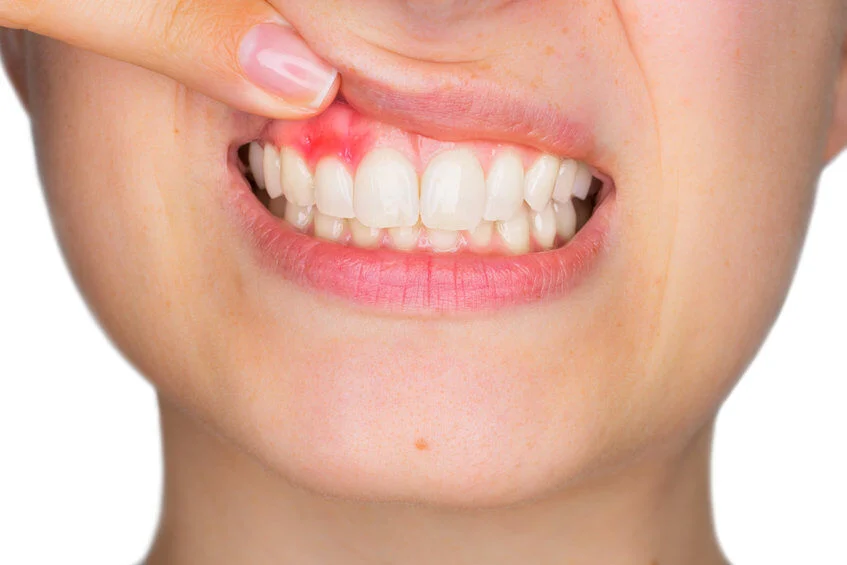
Bleeding gums are not a disease on their own. They are a symptom — a signal that something in your mouth or body needs attention.
The causes range from simple habits like brushing too hard, to medical conditions like vitamin deficiencies or blood disorders. Understanding the root cause is the first step to fixing the problem.
Plaque Buildup at the Gum Line
The most common reason your gums bleed is plaque — a sticky film of bacteria that forms on teeth and along the gum line.
When plaque is not removed through regular brushing and flossing, it irritates the gum tissue. This irritation causes inflammation, redness, and bleeding. Over time, plaque hardens into tartar, which can only be removed by a dental professional.
Gingivitis: Early Stage Gum Disease
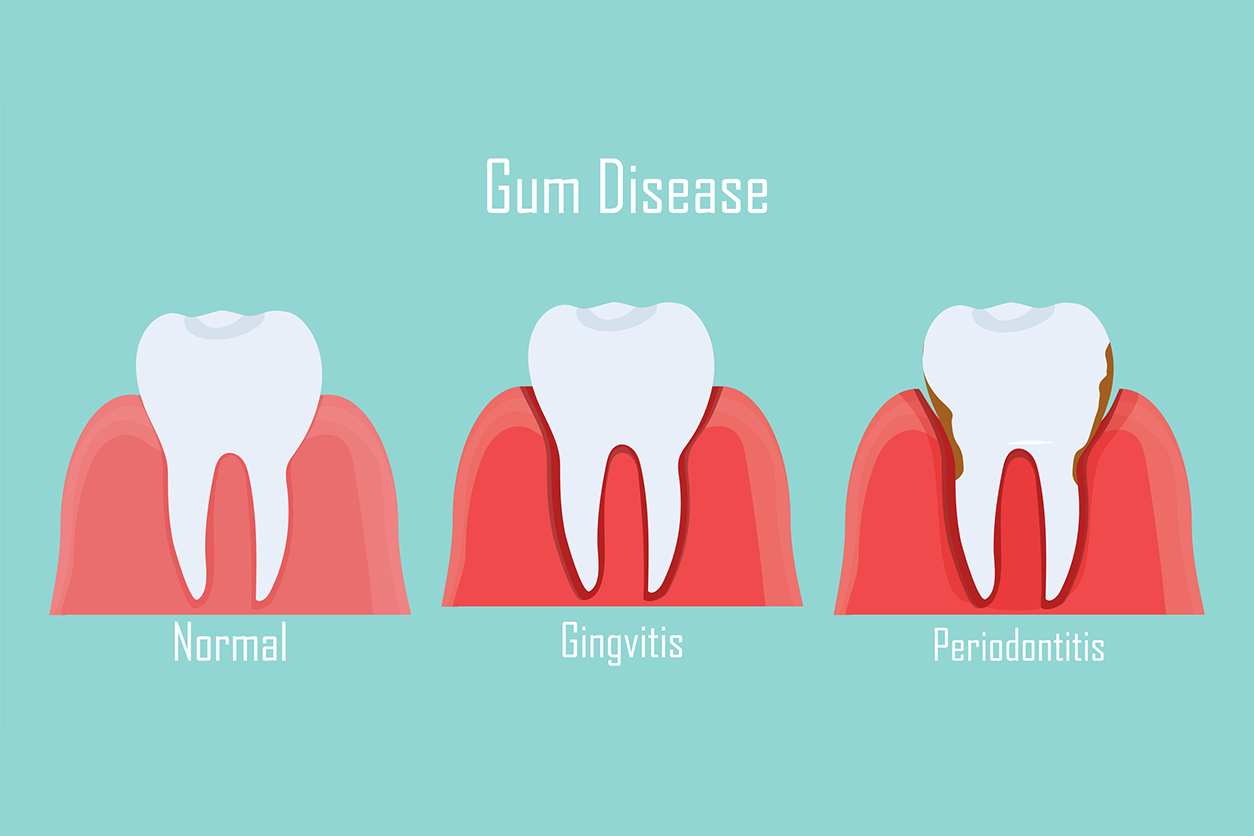
Gingivitis is the most well-known cause of bleeding gums. It is the early, reversible stage of gum disease caused by plaque buildup.
Symptoms include red, swollen gums that bleed easily when touched or brushed. The good news is that gingivitis is completely reversible with improved oral hygiene and professional cleaning. Ignoring it, however, allows it to progress.
Periodontitis: Advanced Gum Disease
If gingivitis is left untreated, it advances into periodontitis — a more serious infection that damages the bone and tissue supporting your teeth.
At this stage, pockets form between your teeth and gums, trapping bacteria deep below the gum line. This leads to persistent bleeding, bad breath, receding gums, and eventual tooth loss. Periodontitis requires professional dental treatment and cannot be resolved at home alone.
Brushing Too Hard
Using a hard-bristled toothbrush or pressing down with too much force while brushing is a very common and overlooked cause of bleeding gums.
The gum tissue is delicate. Aggressive brushing damages it, causes small tears, and leads to bleeding. Switching to a soft-bristled toothbrush and using gentle circular strokes can stop this type of bleeding quickly.
New Flossing Routine
If you have just started flossing regularly after a break, your gums may bleed for the first week or two.
This happens because the gum tissue is not used to being cleaned in that area. The bleeding should stop on its own within one to two weeks of consistent daily flossing. It is not a reason to stop — it is actually a sign your gums need that cleaning.
Hormonal Changes
Hormonal shifts during puberty, pregnancy, and menopause can make gums more sensitive and prone to bleeding.
Pregnancy gingivitis is a recognized condition that affects roughly half of all pregnant women. Hormonal changes alter how the body responds to oral bacteria, making gums swell, redden, and bleed more easily. Maintaining good oral hygiene during pregnancy is especially important.
Vitamin Deficiencies
A lack of Vitamin C or Vitamin K in your diet can directly cause your gums to bleed more easily.
Vitamin C supports gum tissue strength and immune function. Vitamin K helps blood clot properly. Without adequate levels of either vitamin, gum bleeding becomes more frequent. Eating more citrus fruits, leafy greens, and vegetables can help correct mild deficiencies.
| Vitamin | Role in Gum Health | Food Sources |
|---|---|---|
| Vitamin C | Strengthens gum tissue, supports immunity | Oranges, strawberries, bell peppers |
| Vitamin K | Supports blood clotting, reduces inflammation | Spinach, kale, broccoli |
| Vitamin D | Supports bone health around teeth | Sunlight, eggs, fortified milk |
| Calcium | Maintains bone density supporting teeth | Dairy, almonds, leafy greens |
Blood Thinning Medications
Certain medications reduce your blood’s ability to clot, which makes bleeding — including gum bleeding — happen more easily and last longer.
Common blood thinners include warfarin, aspirin, and heparin. If you have recently started a new medication and noticed increased gum bleeding, speak to your doctor. Never stop or change medication without professional advice.
Medical Conditions
Several systemic health conditions can cause or worsen bleeding gums beyond typical oral health issues.
These include diabetes, leukemia, hemophilia, Von Willebrand disease, thrombocytopenia, and liver disease. If your gums bleed persistently despite good oral hygiene, it is worth getting a full health check with your doctor to rule out any underlying condition.
| Condition | How It Affects Gums |
|---|---|
| Diabetes | Impairs immune response, increases infection risk |
| Leukemia | Affects blood cells, reduces clotting |
| Hemophilia | Blood does not clot properly |
| Von Willebrand Disease | Clotting protein deficiency |
| Liver Disease | Reduces clotting factor production |
| Anemia | Low red blood cells weaken gum tissue |
Ill-Fitting Dentures or Dental Appliances
Dentures, mouthguards, or retainers that do not fit correctly can press against gum tissue, causing irritation, sores, and bleeding.
If you wear dentures and notice bleeding in specific spots, the appliance may need to be refitted. Using denture adhesive cream can provide temporary relief, but a proper refitting by your dentist is the long-term solution.
Smoking and Tobacco Use
Smoking weakens the immune system and reduces the mouth’s natural ability to fight off infection and heal itself.
Smokers are significantly more likely to develop gum disease than non-smokers. Tobacco use also masks some symptoms of bleeding gums by restricting blood flow, which means problems can go unnoticed until they are more advanced. Quitting smoking is one of the most impactful things you can do for your gum health.
Food Trapped Under the Gums
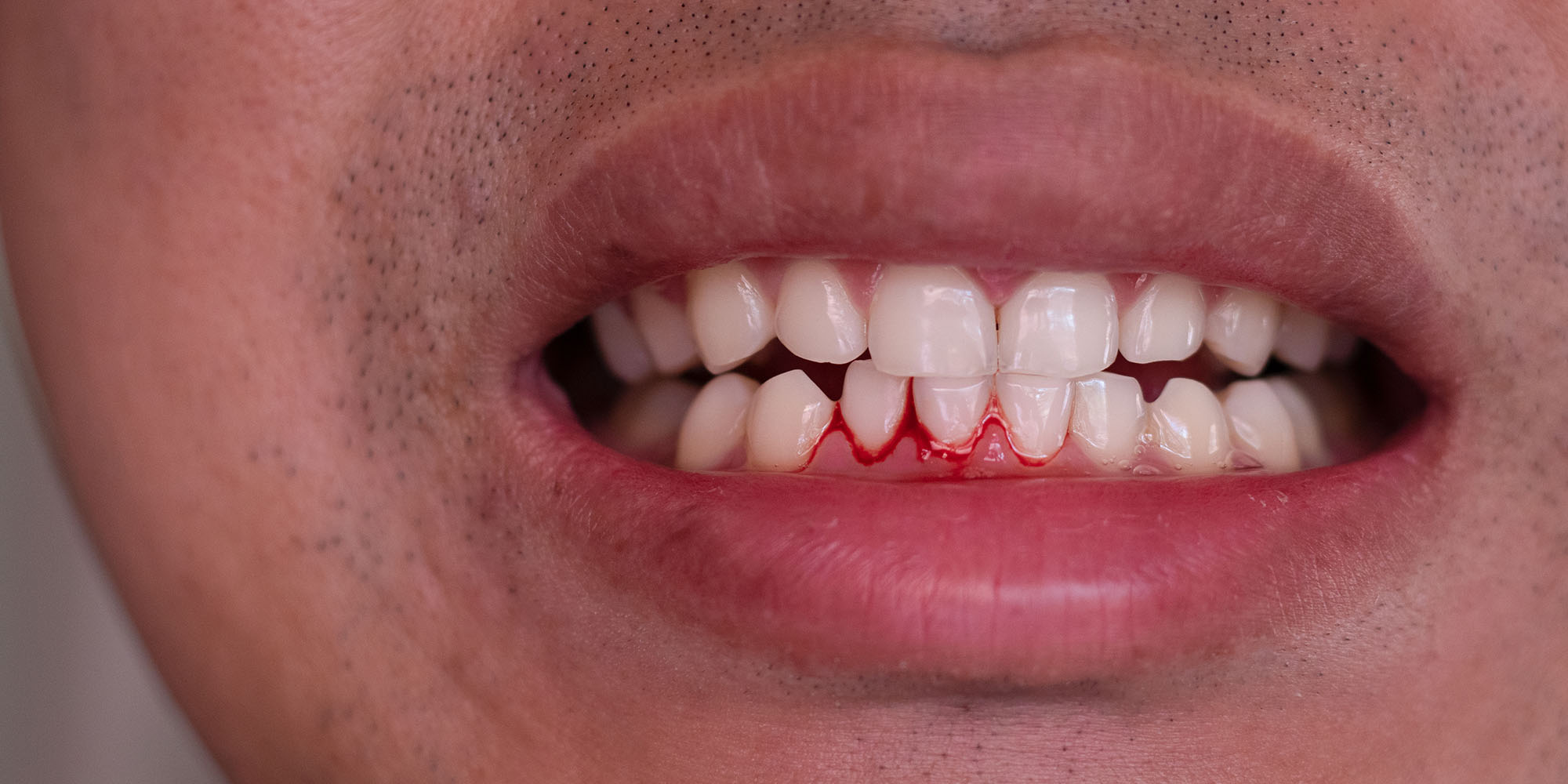
Crunchy or sharp foods like tortilla chips, popcorn husks, or hard crusts can slip under the gum line and become lodged between the gum and tooth.
This trapped food irritates the gum tissue and causes localized bleeding. In most cases, gentle flossing or a water flosser removes the particle. If bleeding continues after a day or two, or if swelling develops, contact your dentist.
Easy Home Remedies for Bleeding Gums in 2026
Most cases of bleeding gums can be significantly improved with consistent home care. Here are the most effective, evidence-backed tips you can start today.
Brush Twice Daily With a Soft-Bristled Toothbrush
Brushing twice a day with a soft-bristled toothbrush is the foundation of gum health. Use gentle, circular motions at a 45-degree angle to the gum line.
Brush for at least two minutes each time. Avoid scrubbing back and forth aggressively. Electric toothbrushes are an excellent option as they tend to clean more effectively with less pressure.
Floss Every Single Day
Daily flossing removes plaque and food particles from areas your toothbrush cannot reach — particularly between teeth and along the gum line.
If your gums bleed when you floss, do not stop. Continue flossing gently every day, and the bleeding should reduce within one to two weeks as your gums become healthier.
Rinse With Warm Salt Water
A saltwater rinse is one of the oldest and most effective home remedies for inflamed, bleeding gums.
Dissolve half a teaspoon of salt in a glass of warm water. Swish it around your mouth for 30 seconds, then spit it out. Salt has natural antibacterial properties that reduce bacteria levels in the mouth and help soothe irritated gum tissue.
Use an Antibacterial Mouthwash
Antiseptic or antibacterial mouthwash helps reduce the bacterial load in your mouth, targeting the plaque bacteria that cause gingivitis and bleeding.
Look for mouthwashes containing chlorhexidine, cetylpyridinium chloride, or essential oils. Use after brushing and flossing for maximum benefit. Avoid alcohol-based mouthwashes if your gums are already irritated.
Apply Cold Compress or Ice
For acute bleeding caused by a gum injury or trauma, applying a cold compress to the outside of your cheek can reduce swelling and slow bleeding.
You can also press a clean piece of gauze soaked in cold water directly against the bleeding gum. Hold gentle pressure for several minutes. Do not use this as a substitute for dental care if bleeding is persistent.
Eat a Vitamin-Rich Diet
Improving your intake of Vitamins C and K through food is a natural and effective way to support gum health.
Eat more citrus fruits, strawberries, bell peppers, leafy greens like spinach and kale, and broccoli. Reducing sugar and processed food also reduces the bacterial load in your mouth and lowers your risk of gum disease.
Stay Hydrated
Drinking plenty of water throughout the day helps wash away food particles and bacteria from the teeth and gums.
A dry mouth creates an environment where bacteria thrive. Water, especially fluoridated tap water, keeps the mouth moist, reduces acidity, and supports the mouth’s natural self-cleaning process.
Stop Smoking
Quitting smoking is one of the most effective steps you can take to improve gum health and stop persistent bleeding.
Within weeks of quitting, blood circulation to the gums improves, healing speeds up, and the immune response strengthens. Your dentist can refer you to smoking cessation support if needed.
Bleeding Gums Home Remedies: Quick Reference Table
| Home Remedy | How to Use | Benefit |
|---|---|---|
| Warm saltwater rinse | 0.5 tsp salt in warm water, rinse 30 sec | Antibacterial, soothes inflammation |
| Soft toothbrush | Brush twice daily, gentle circular motion | Removes plaque without damaging gums |
| Daily flossing | Once daily, gentle c-shape around each tooth | Removes interdental plaque |
| Antibacterial mouthwash | After brushing and flossing | Reduces bacteria, prevents plaque |
| Cold compress | Press on cheek or gauze on gums | Reduces acute bleeding and swelling |
| Vitamin C foods | Citrus, peppers, strawberries daily | Strengthens gum tissue |
| Vitamin K foods | Spinach, kale, broccoli | Supports blood clotting |
| Hydration | 6–8 glasses of water daily | Washes bacteria, keeps mouth moist |
| Quit smoking | Seek cessation support | Improves healing and immune response |
What Does Healthy vs. Unhealthy Gum Look Like?
Knowing the difference between healthy and unhealthy gums helps you catch problems early.
Healthy gums are pale pink, firm, and fit snugly around the teeth. They do not bleed during regular brushing or flossing and do not feel tender or swollen.
Unhealthy gums may appear red, purple, or dark in colour. They often feel swollen or puffy, bleed easily, pull away from the teeth (receding gums), or produce a persistent bad smell. Any of these signs warrant a dental visit.
| Feature | Healthy Gums | Unhealthy Gums |
|---|---|---|
| Colour | Pale pink | Red, purple, or dark |
| Texture | Firm, smooth | Puffy, soft, swollen |
| Bleeding | None during normal brushing | Bleeds easily, sometimes spontaneously |
| Odour | Neutral | Bad breath / halitosis |
| Gum line | Sits snugly around teeth | Receding, pulling away |
| Pain | None | Tender, sore to touch |
When Should You See a Dentist?
While home care can resolve mild bleeding gums caused by gingivitis, there are clear situations where professional dental care is essential.
See a dentist if your gums bleed persistently for more than two weeks despite improved oral hygiene. Also seek professional help if you notice loose teeth, significant gum recession, persistent bad breath, gum pain, swelling, or pus. These are signs of advanced gum disease or another underlying issue that requires treatment beyond home remedies.
Your dentist may recommend one or more of the following professional treatments depending on the cause and severity.
| Treatment | What It Does | When It Is Used |
|---|---|---|
| Professional cleaning (scale and polish) | Removes tartar and plaque | Mild to moderate gingivitis |
| Scaling and root planing | Deep cleans below the gum line | Moderate periodontitis |
| Antibiotics | Treats gum infection | Bacterial infection confirmed |
| Osseous surgery | Reduces depth of gum pockets | Advanced periodontitis |
| Gum graft surgery | Treats severe gum recession | Advanced tissue loss |
How to Prevent Bleeding Gums Long-Term
Prevention is far easier than treatment. Building consistent daily habits eliminates most causes of bleeding gums before they start.
Brush twice daily with a soft-bristled toothbrush and fluoride toothpaste. Floss every day without exception. Visit your dentist for a professional cleaning and check-up every six months. Eat a balanced diet rich in vitamins C and K. Avoid tobacco products. Drink water throughout the day.
These habits together form a complete defence against the most common causes of gum bleeding. Most people who follow them consistently will rarely experience bleeding gums.
Bleeding Gums in Children
Children can also experience bleeding gums, and the causes are largely the same as in adults — poor brushing habits, plaque buildup, and early gingivitis.
Parents should supervise brushing until around age 8. Children should brush twice daily with a soft, age-appropriate toothbrush and start flossing once their teeth touch. Children who experience persistent gum bleeding should see a paediatric dentist. Some medical conditions like leukemia, hemophilia, and Vitamin C deficiency can also affect children’s gums.
Bleeding Gums During Pregnancy
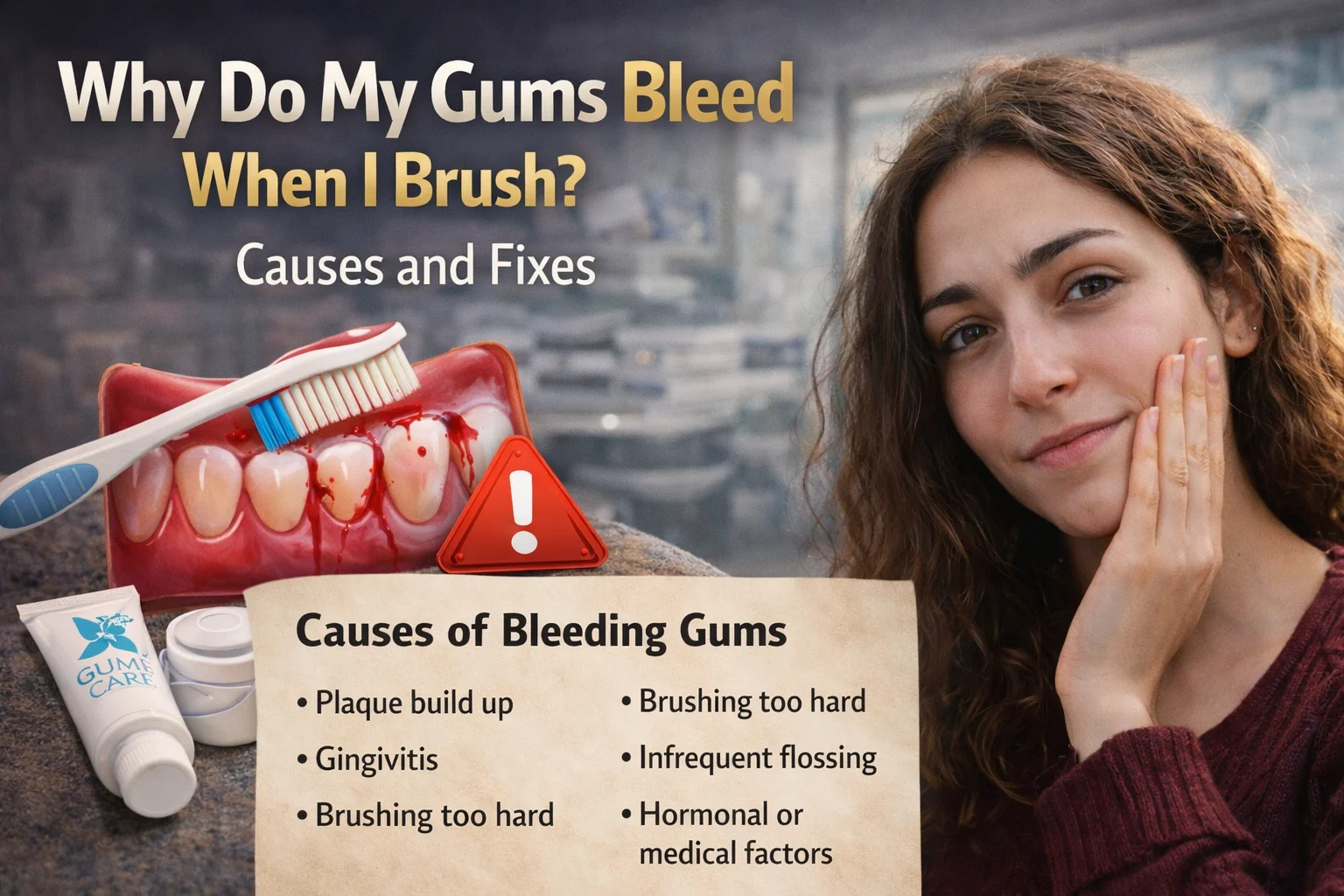
Pregnancy gingivitis is common and affects approximately half of all pregnant women due to hormonal changes.
The rise in progesterone and oestrogen levels makes gum tissue more sensitive to bacteria. Gums become swollen, red, and bleed more easily during brushing.
Maintaining strict oral hygiene during pregnancy is critical, and pregnant women should inform their dentist of their pregnancy. Untreated gum disease during pregnancy has been associated in some studies with preterm birth risk.
Frequently Asked Questions (FAQs)
Why are my gums bleeding when I brush my teeth?
The most common reason is plaque buildup at the gum line causing gingivitis. Brushing too hard with a firm-bristled brush can also cause gum bleeding directly.
Can bleeding gums heal on their own?
Mild bleeding caused by new flossing routines or minor irritation often resolves within one to two weeks. Bleeding from gum disease will not heal without improved oral hygiene and possibly dental treatment.
Is it normal for gums to bleed when flossing?
It is common but not normal. If you have just started flossing, bleeding for the first week or two is expected. Persistent bleeding after two weeks means your gums need dental attention.
What vitamin deficiency causes bleeding gums?
Deficiencies in Vitamin C and Vitamin K are most commonly linked to bleeding gums. Vitamin C supports gum tissue integrity and Vitamin K supports blood clotting.
Can stress cause bleeding gums?
Yes. Chronic stress weakens the immune system, making the body less able to fight off oral bacteria. This increases the risk of gingivitis and bleeding gums developing or worsening.
How do I stop gums from bleeding immediately?
Apply gentle pressure with a clean gauze pad or piece of clean cloth on the bleeding area. A cold compress applied to the outside of the cheek can also help reduce acute bleeding.
Do bleeding gums mean I have gum disease?
Not always, but it is one of the most common signs of early gum disease (gingivitis). Bleeding gums should always be taken seriously and investigated, especially if it persists beyond two weeks.
Can mouthwash help stop bleeding gums?
Yes. Antibacterial mouthwash helps reduce the plaque bacteria that cause gum inflammation. Use it after brushing and flossing as part of a complete oral hygiene routine, not as a replacement.
Are bleeding gums linked to heart disease?
Research suggests a connection between gum disease and cardiovascular health. Oral bacteria from infected gums can enter the bloodstream and contribute to inflammation associated with heart disease. This is why treating gum disease matters beyond just oral health.
When should I be worried about bleeding gums?
See a dentist if bleeding continues for more than two weeks, if you notice loose teeth, significant bad breath, pus from the gums, or gum recession. These signs indicate a more serious condition requiring professional care.
Conclusion
Understanding why your gums are bleeding is the first step toward fixing the problem for good. In most cases, the solution starts at home — with better brushing technique, daily flossing, a soft-bristled toothbrush, and a vitamin-rich diet.
Simple remedies like saltwater rinses and antibacterial mouthwash can make a noticeable difference within days.
However, if your gums continue to bleed despite two weeks of improved care, or if you notice other warning signs like loose teeth, gum recession, or persistent bad breath, it is time to see a dentist. Gum disease is progressive — the earlier it is caught, the easier it is to treat.
Take your gum health seriously in 2026. Your gums support every single tooth in your mouth, and protecting them protects your smile, your confidence, and — given the link between oral and systemic health — your overall wellbeing. Start with one habit today and build from there.
