

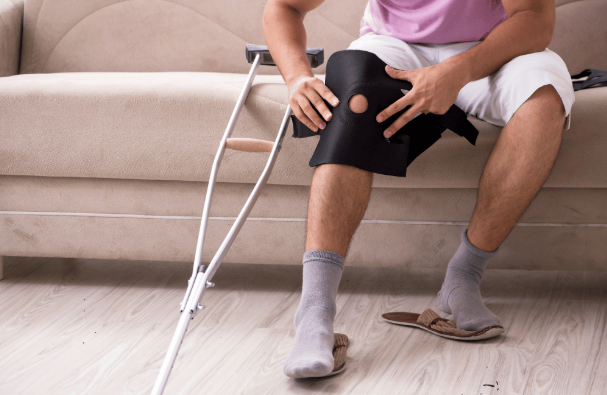
Sports are a big part of life in Toronto. From recreational leagues and school athletics to professional training facilities and fitness centers, thousands of people participate in sports every day. While staying active is beneficial, sports also come with the risk of injury. When a sports injury occurs, the physical recovery can be challenging—but the legal and insurance process that follows can be just as overwhelming. One of the most critical factors in a successful sport injury claim is proper medical documentation.
Medical records do more than track your treatment. They form the foundation of your sport injury claim and can determine whether you receive fair compensation or face delays, denials, or reduced benefits.
Why Medical Documentation Matters in Sport Injury Claims
Medical documentation provides objective proof that your injury exists, how severe it is, and how it impacts your daily life. In Toronto, insurance companies and legal decision-makers rely heavily on written medical evidence to evaluate sport injury claims. Without detailed records, it becomes difficult to establish a clear connection between your injury and the sporting incident that caused it.
Insurance providers often scrutinize sport injury claims closely. If there are gaps in your medical records, delays in treatment, or inconsistencies in reported symptoms, insurers may argue that your injury is minor, unrelated, or pre-existing. Strong medical documentation, supported by guidance from a sports injury lawyer, helps eliminate these arguments and strengthens the legitimacy of your claim.
Seeking Immediate Medical Attention Is Crucial
After a sports injury—whether it happens on a soccer field, hockey rink, gym floor, or cycling trail—seeking medical attention as soon as possible is essential. Even if the injury feels manageable at first, some conditions, such as concussions, soft tissue injuries, or ligament damage, may worsen over time.
Early medical evaluations create a clear starting point for your injury. Emergency room records, walk-in clinic notes, or physician assessments document when the injury occurred and how it initially presented. This timeline is critical in Toronto sport injury claims, as delays in treatment can raise questions about the cause or seriousness of your condition.
Types of Medical Documentation That Strengthen Your Claim
A strong sport injury claim relies on multiple forms of medical evidence. These may include physician reports, diagnostic imaging such as X-rays or MRIs, physiotherapy and rehabilitation notes, specialist assessments, and prescription records. Each document adds another layer of credibility to your claim.
Ongoing treatment records are especially important. Progress notes from physiotherapists, chiropractors, occupational therapists, and mental health professionals demonstrate how the injury affects your mobility, pain levels, mental well-being, and ability to work or participate in daily activities. These records help establish the long-term impact of your sports injury.
Consistency and Accuracy Are Key
Consistency in medical reporting is just as important as having documentation. Your symptoms, limitations, and recovery progress should be reported accurately and consistently across all healthcare providers. Conflicting information in medical records can weaken your claim and give insurers grounds to challenge your credibility.
Be honest and thorough when describing your symptoms. Avoid minimizing pain or exaggerating limitations. Clear and accurate communication with your healthcare team ensures your records reflect the true extent of your injury and support your sport injury claim effectively.
How Medical Documentation Affects Compensation
Medical documentation directly influences the level of compensation you may receive. It helps determine eligibility for accident benefits, income replacement, rehabilitation funding, and long-term disability support. In more serious cases, it can also support claims for pain and suffering or future care costs.
For athletes and active individuals in Toronto, sports injuries can interfere with work, education, and quality of life. Medical records that clearly outline functional limitations—such as inability to lift, walk, concentrate, or return to sport—are essential in demonstrating how the injury affects your earning capacity and daily activities.
The Role of a Sport Injury Lawyer
Navigating medical documentation requirements can be challenging, especially when you are focused on recovery. An experienced sport injury lawyer in Toronto understands what insurers look for and can help ensure your medical records fully support your claim. They may work with your healthcare providers to clarify reports, address missing information, and organize documentation in a way that strengthens your case.
A lawyer can also protect you from insurer tactics that downplay injuries or request unnecessary medical examinations. With proper legal guidance, your documentation becomes a powerful tool rather than a potential weakness.
Keeping Personal Records Can Make a Difference
In addition to professional medical records, keeping a personal injury journal can be beneficial. Writing down your pain levels, mobility challenges, emotional struggles, and missed activities provides valuable context that medical reports may not fully capture. These personal notes can support your claim by illustrating how the injury affects your everyday life.
Conclusion
Medical documentation is the backbone of successful sport injury claims in Toronto. From the moment an injury occurs, timely medical attention, detailed records, consistent reporting, and ongoing treatment documentation play a critical role in protecting your rights. Strong medical evidence not only supports your claim but also helps ensure you receive the compensation and benefits you need to recover and move forward.
If you’ve suffered a sports injury, prioritizing your health and your documentation can make all the difference in achieving a fair and successful outcome.
