

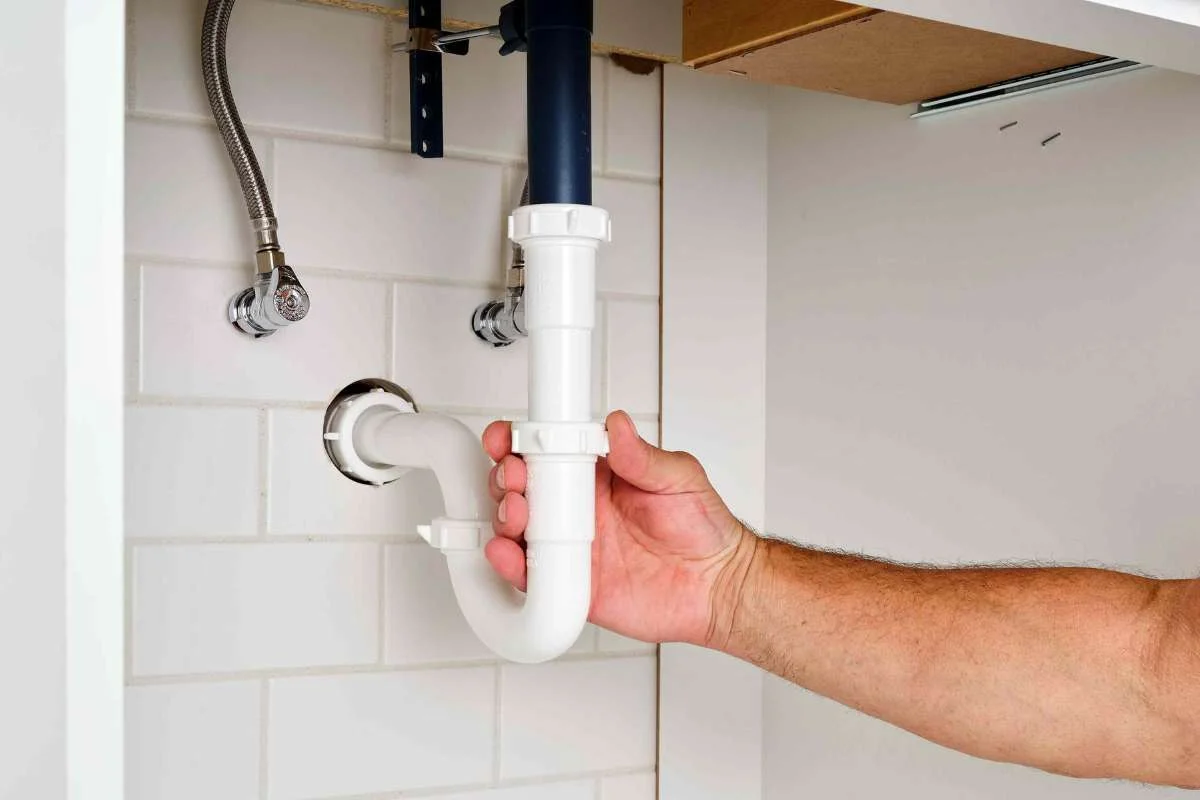
Most of us don’t think twice about our bathroom sink drains—until they stop working. When water drains slowly, strange smells rise from the sink, or you spot water damage beneath the cabinet, your bathroom is giving you a clear signal: it’s time to take action.
If you notice persistent gurgling sounds or unpleasant odors emanating from your bathroom sink, it might be time to consider a replacement. These signs often indicate underlying issues that could escalate if not addressed promptly. Additionally, if water is draining slower than usual, it could be a sign of a blockage or a more serious problem within the plumbing system. To ensure your bathroom remains functional and hygienic, it’s crucial to address these issues swiftly. For more information on how to tackle these plumbing challenges effectively, you can get details from a trusted local expert who can provide the necessary guidance and support. Taking proactive steps now can save you from more significant headaches down the line.
In a city like Toronto, where homes range from new builds to century-old properties, sink drains can fail from a mix of aging infrastructure, mineral buildup, and heavy daily use. In this guide, we’ll explore the top warning signs that your bathroom sink drain is failing and what steps you should take to protect your home and health.
If you notice persistent clogs, unpleasant odors, or visible corrosion in your bathroom sink drain, it might be time to consider professional assistance. Ignoring these signs can lead to more significant plumbing issues down the line. For those in the Washington area, seeking expert help from Bruno Plumbing & Heating of Washington can ensure that your plumbing system is in top condition. Their experienced team can assess the situation and provide the necessary repairs or replacements to prevent further damage. Taking prompt action can save you from costly repairs and maintain the functionality of your bathroom sink.
Why Drain Health Matters
The bathroom sink drain may seem small, but it plays a major role in keeping your plumbing functional and hygienic. A compromised drain system can lead to water leaks, mould growth, structural damage, and even pest infestations.
Over time, wear and tear, rust, blockages, and poor installation can cause your drain to fail, and in Toronto’s older neighbourhoods, this is especially common.
1. Your Sink Drains Slowly Every Time
If your water pools for too long every time you use your sink, it’s a classic early sign that your drain is clogging or deteriorating. While you might be tempted to reach for chemical cleaners, they often cause more damage than good, especially in metal pipes.
If the slow drainage has become a pattern, don’t delay. You may need to replace bathroom sink drain components entirely before the issue gets worse and affects nearby plumbing fixtures.
2. Gurgling Sounds or Bubbles in the Sink
Strange sounds from your drain aren’t just an annoyance—they’re a red flag. Gurgling usually means air is trapped due to a partial clog or blocked vent. It could also mean the drain has deteriorated internally, preventing water and air from flowing smoothly.
Don’t ignore these sounds—they often come just before a full blockage or backup.
3. Standing Water Beneath the Vanity
Water leaking into the cabinet beneath your sink is a serious concern. If you’re noticing damp wood, bubbling laminate, or mould, a cracked or corroded drain is likely to blame. Even small leaks can create expensive long-term damage if not addressed quickly.
Inspect the pipes below your sink. Look for moisture, rust stains, or mineral deposits. These are signs the drain system is failing.
4. Unpleasant Smells from the Sink
A foul odour in your bathroom sink may come from organic debris stuck in the drain, a dry trap, or cracked piping. In older homes, rusted metal drains can develop micro-leaks that trap waste and cause smells you can’t scrub away.
Sometimes cleaning helps, but if odours return quickly, you may be dealing with a larger problem.
5. You’ve Tried Fixes That Don’t Work Anymore
If you’ve already used plungers, snakes, or chemical cleaners with no lasting results, the problem may be too deep for DIY methods. Persistent clogs and recurring issues point to a larger failure in your drainpipe. In this case, a full replacement is safer and more cost-effective than patching the system repeatedly.
Hiring trusted professionals like Delta Plumbers in Toronto can ensure the job is done properly and up to city code, especially if your plumbing is decades old or has been repaired multiple times in the past.
6. Visible Corrosion or Rust
Discoloration or flaking metal around your drain opening or tailpiece is a warning sign of corrosion. Rust weakens the structure of your pipes and often indicates leaks that haven’t surfaced yet. If your drain is visibly rusting, there’s a good chance it’s already compromised internally.
Don’t wait until a full failure damages your cabinetry or subfloor.
What Causes Sink Drains to Fail?
Several factors contribute to sink drain failure in Toronto homes:
- Aging Pipes: Homes built before the 1980s often have outdated materials like galvanized steel or cast iron, which corrode over time.
- Hard Water: Toronto’s water supply contains minerals like calcium and magnesium, which cause buildup inside drains.
- Improper Installation: If your drain wasn’t sealed or aligned properly during the original installation, it’s more likely to leak or clog.
- Chemical Cleaners: Regular use of acidic drain cleaners weakens pipe walls and speeds up failure.
- Cold Winters: Freezing temperatures can contract pipes, cause micro-fractures, or loosen joints.
DIY vs. Hiring a Pro
You might be wondering if you can simply fix it yourself. While basic maintenance is possible, replacing a bathroom sink drain requires knowledge of plumbing traps, pipe slope, waterproof sealing, and fixture compatibility.
If you notice persistent clogs, unpleasant odors, or visible leaks around your bathroom sink, these are clear indicators that your drain may be failing and requires immediate attention. Ignoring these signs can lead to more severe plumbing issues and costly repairs. To prevent further damage and ensure your plumbing system functions efficiently, it’s crucial to address these problems promptly. Don’t wait for the situation to worsen; call local plumbers in Portland today to assess and replace your failing bathroom sink drain, ensuring peace of mind and a smoothly running household.
Incorrect installation can lead to leaks, water damage, and even mould growth. To avoid these problems, it’s best to hire a best-rated professional to install a bathroom sink drain
A licensed plumber will:
- Remove the failing drain completely
- Choose the correct replacement based on your sink and plumbing setup
- Install a water-tight seal to prevent leaks
- Ensure venting and drainage meet Ontario code
- Test everything to confirm flow, fit, and function
Cost of Bathroom Sink Drain Replacement
In Toronto, the cost of replacing a bathroom sink drain depends on the materials used, accessibility, and the plumber’s experience. On average:
| Task | Cost Range |
| Basic Drain Replacement | $120–$250 |
| Premium Material Upgrade | +$50–$150 |
| Plumber Labor | $80–$150/hour |
| Emergency or After-Hours Fees | +$100–$200 |
Choosing quality materials and an experienced plumber may cost more upfront, but will save you hundreds in avoided leaks, repairs, and damage restoration.
Preventative Tips
Once your new drain is installed, follow these habits to extend its life:
- Use a strainer to catch hair and debris
- Flush with hot water weekly to remove buildup
- Avoid harsh chemicals; use baking soda and vinegar instead
- Clean your stopper regularly
- Schedule annual plumbing inspections for aging homes
Preventative care keeps your drain running smoothly and your bathroom dry and odour-free.
When to Act
Don’t wait for a total failure. If you’ve spotted two or more of the signs above—especially leaks, gurgling, or repeated clogs—it’s time to schedule a full inspection. Replacing your bathroom sink drain early can prevent damage, increase water efficiency, and improve daily comfort.
For homeowners dealing with these issues in Toronto, calling in local professionals who understand the city’s unique plumbing infrastructure, upgrading your bathroom plumbing system the smartest way to protect your home.
Final Thoughts
Your bathroom sink drain works hard every day—until it doesn’t. Knowing the signs of failure gives you a chance to act early and avoid costly damage or disruptions.
Whether you’ve seen rust, heard strange noises, or noticed leaks, these are clear signals that a replacement is due. Choose high-quality materials, avoid chemical fixes, and rely on certified plumbers for installation.
A small investment today ensures your bathroom remains clean, functional, and damage-free for years to come.
