

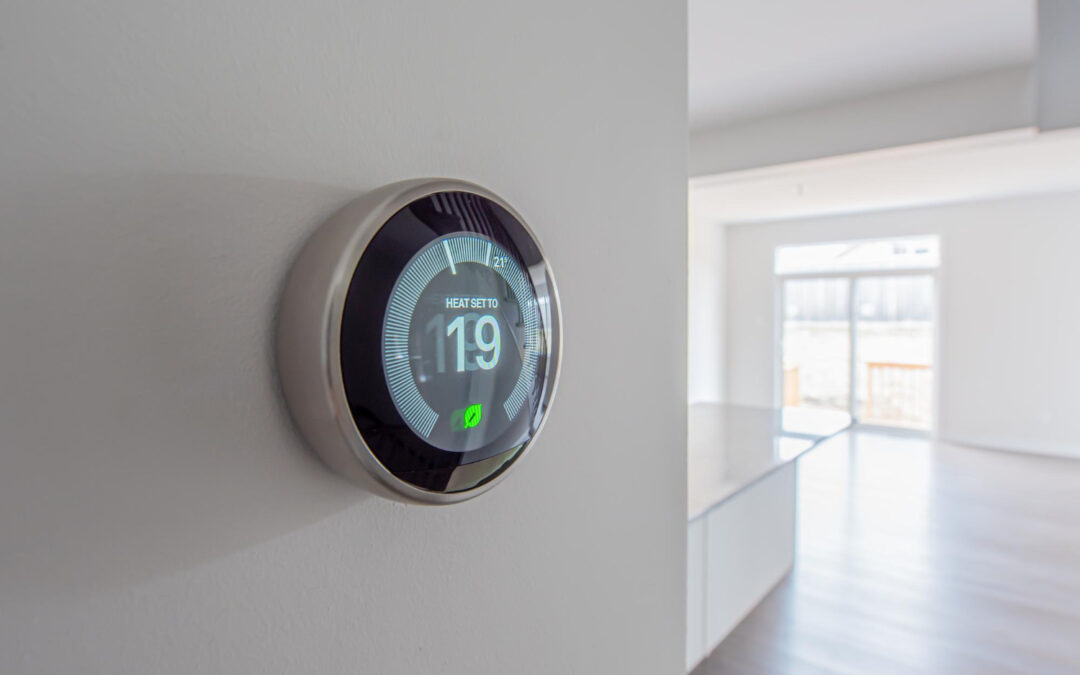
The Indoor environment in contemporary construction projects is tailored through installed MEP systems. All of this is achieved through accurate construction estimating services. These systems comprise of different materials which work together and deliver the required outcomes for heating and other purposes. The thermostat is one of the pivotal materials of these systems to reach appropriate results. It plays some important roles in heating systems for the intended outcomes.
By Definition – Thermostat
As one of the engineering achievements, the thermostat is a device that manages temperature within a system. Its working includes overseeing the circuit related to temperature, which includes tripping it when the temperature increases over some set limit.
This quality makes it a very useful component for various systems. These systems made different electrical and mechanical devices, along with resulting MEP systems. These include heating systems as an integral component.
Heating Systems – Their Needs
The indoor environment in today’s world is tailored to achieve the best possible experience for the inhabitants and visitors. To achieve this, various MEP systems are installed. These systems include one of the various possible heating systems. These systems monitor and manage the temperature of the air present in the indoor environment.
In addition to understanding the basic functions of a thermostat, it’s crucial to recognize how advanced models can further enhance indoor comfort. Modern thermostats offer features like programmable settings and remote access, allowing homeowners to tailor their heating schedules to fit their lifestyles. This not only optimizes energy use but also ensures a consistently comfortable environment. For those interested in exploring these options, it’s beneficial to get the details on how these systems can be integrated into your home. By doing so, you can make informed decisions that align with both your comfort needs and energy efficiency goals, ultimately leading to a more sustainable living space.
Moreover, these systems is assisted with proper insulation to contain the air within the indoor environment. This insulation makes the set air intact in both ways by keeping the outdoor air out and the indoor air inside.
Through all this, these systems need these:
Proper insulation for walls and ceilings
In order to achieve effective results from the heating devices, the environment needs proper insulation that contains its effects. This insulation should cover every possible exchange of air from the concerned environment. Mainly, this includes the interiors, i.e., floor, walls, and ceilings. However, you need to make sure that there are no breaches or leaks from the interiors.
Beyond the mechanical aspects of temperature regulation, the efficiency of a heating system is often determined by the precision of its control components. When a thermostat functions correctly, it acts as the primary gatekeeper for energy consumption, ensuring that fuel or electricity is used only when necessary to reach a specified setpoint. Professional maintenance and periodic inspections by experienced technicians, such as those at Merritt Island Air & Heat of Merritt Island, can help identify subtle calibration errors before they lead to excessive utility costs. By maintaining this delicate balance between heat production and distribution, homeowners can extend the lifespan of their entire HVAC infrastructure while enjoying consistent warmth during the colder months.
All the necessary materials
Heating systems need to have all the essential components. These include different mechanical devices that generate the required heating effects. These devices need to be estimated accurately and acquired before installation with the help of mechanical estimating services. These devices are supported by piping materials and provided with energy to function with electricity.
Important details to manage the functioning
You need to understand how to manage the devices and the overall system to achieve effective results. This does not necessarily include technical knowledge about mechanical devices and overall functioning. However, you need to understand some basic level of technical aspects about the whole thing too.
Proper & timely maintenance
In addition to using the systems in an effective manner, you also need to have proper maintenance for these systems from time to time. This includes having professional help by the concerned experts.
Roles of the Thermostat in Heating Systems
The thermostat is a central component of heating systems due to its function. This function, managing temperature, it serves certain roles in these systems:
Achieve the appropriate temperature
Heating anything, let alone air, requires increasing the temperature. This increase needs proper management, which includes limiting the rise. The best tool to achieve this is the thermostat. It is capable of tripping the circuit right at the point where the temperature reaches the required degree.
Avoid any possible mishap
Uncontrolled fluctuation of temperature can be dangerous. It can make the life of inhabitants from uncomfortable to unbearable. Moreover, it can make the experience much worse through accidents such as fire. All of this can be averted through circuit tripping with this device.
Best possible energy efficiency
It saves energy, much like other roles. As it breaks the circuit flow, a large possible wastage of energy is saved. This leads to the optimum usage of energy, thus your electricity utility bill is favorable. It, in turn, helps with your routine budgeting for utility bills. Efficient energy management also becomes more impactful when you monitor changes in abilene electricity rates, allowing for smarter usage decisions. Over time, this proactive approach can result in significant cost savings and a more predictable household budget.
Help you manage overall efficiency
The thermostat is an important part of the overall efficiency of mechanical systems, among other things. Its position and contribution in the overall system make it effective for managing the system’s efficiency. This simply requires a little regulation of this device.
Incorporating a programmable thermostat can significantly enhance the efficiency of your heating system, allowing for precise control over indoor temperatures. By setting specific times for the heating to activate, you can ensure warmth when needed while conserving energy during off-peak hours. This not only optimizes comfort but also reduces utility costs. For those interested in exploring advanced heating solutions, you might want to view our programs, which offer a range of options tailored to different needs. Embracing these technologies can lead to a more sustainable and cost-effective approach to home heating, ensuring a cozy environment throughout the colder months.
Conclusion
Managing the indoor environment requires appropriate management and thus the needed materials. One essential material in this is the thermostat. It is installed through the installation in the proper specification and related materials, such as plumbing. (These can be estimated through plumbing estimating services.) The thermostat mainly contributes to heating systems through its various roles, mainly by limiting heating to the selected limit.
