

Understanding rhythm literary definition becomes simple when you realize it’s everywhere around you. Just like your heartbeat creates a steady pattern, rhythm in literature creates patterns with words and sounds.
Whether you’re reading poetry, stories, or even song lyrics, rhythm shapes how words flow and feel.
This guide breaks down everything about literary rhythm in the easiest way possible.
You’ll discover what rhythm means, see clear examples, and learn how writers use it to make their words more powerful.
What is Rhythm in Literature? (Simple Definition)
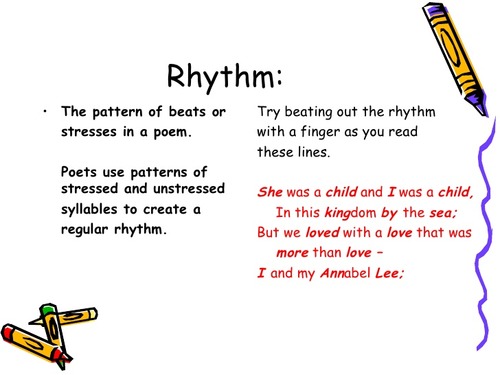
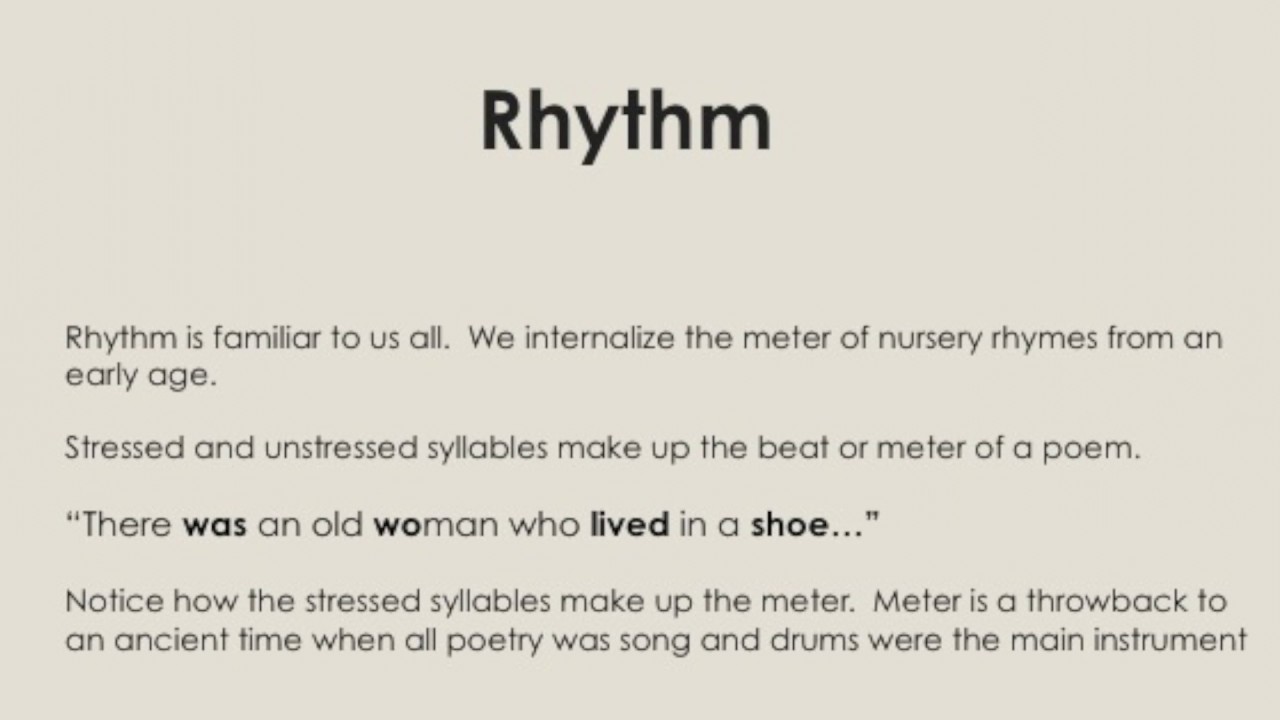
Rhythm literary definition refers to the pattern of stressed and unstressed syllables in written language.
Think of it like music for words.
When you read a sentence out loud, some parts sound stronger (stressed) while others sound softer (unstressed).
This creates a natural beat that makes reading more enjoyable.
Literary rhythm appears in poetry, prose, speeches, and even everyday conversation.
Writers use rhythm to control how fast or slow readers move through their text.
Good rhythm makes words flow smoothly from one to the next.
Bad rhythm can make reading feel choppy or awkward.
Key Components of Literary Rhythm
Stress Patterns: Some syllables get more emphasis than others.
Syllable Count: The number of syllables in each line or sentence affects rhythm.
Pauses: Natural breaks in speech create rhythmic patterns.
Repetition: Repeating sounds or structures builds rhythm.
Word Choice: Short words create different rhythms than long words.
Types of Rhythm in Literature
1. Metrical Rhythm
Metrical rhythm follows specific patterns of stressed and unstressed syllables.
Poetry uses metrical rhythm more than prose.
Common metrical patterns include:
- Iambic: Unstressed-stressed pattern (da-DUM)
- Trochaic: Stressed-unstressed pattern (DUM-da)
- Anapestic: Unstressed-unstressed-stressed pattern (da-da-DUM)
- Dactylic: Stressed-unstressed-unstressed pattern (DUM-da-da)
2. Free Verse Rhythm
Free verse rhythm doesn’t follow strict patterns.
Modern poetry often uses free verse rhythm.
Writers create rhythm through word choice, line breaks, and natural speech patterns.
This type feels more conversational and flexible.
3. Prose Rhythm
Prose rhythm appears in novels, stories, and essays.
Writers vary sentence length to create rhythmic effects.
Short sentences create quick, choppy rhythms.
Long sentences create flowing, smooth rhythms.
Mixing different sentence lengths creates interesting rhythmic patterns.
How Rhythm Works in Poetry (With Examples)
Iambic Pentameter Example
“Shall I compare thee to a summer’s day?” – Shakespeare
This line has five iambic feet (unstressed-stressed patterns).
Shall I / com-PARE / thee TO / a SUM- / mer’s DAY?
Each “/” shows where the stress falls.
Trochaic Rhythm Example
“Tell me not, in mournful numbers” – Longfellow
This creates a strong, marching rhythm.
TELL me / NOT in / MOURN-ful / NUM-bers
The stress falls on the first syllable of each pair.
Free Verse Rhythm Example
“The fog comes / on little cat feet” – Carl Sandburg
This creates rhythm through natural speech patterns.
No strict meter, but the rhythm flows naturally.
Rhythm in Prose Writing
Short Sentence Rhythm
“The dog ran. It jumped. The fence was tall.”
This creates a quick, staccato rhythm.
Perfect for action scenes or building tension.
Long Sentence Rhythm
“The dog ran across the wide, green field, jumping over the tall wooden fence with ease and grace.”
This creates a flowing, smooth rhythm.
Good for descriptive passages or calm scenes.
Mixed Rhythm Example
“The storm hit hard. Rain poured down in sheets, flooding the streets and turning the peaceful neighborhood into a raging river. Cars stopped. People ran for cover.”
This mixes short and long sentences for varied rhythm.
Why Writers Use Rhythm
Emotional Impact
- Rhythm affects how readers feel.
- Fast rhythms create excitement or urgency.
- Slow rhythms create calm or sadness.
- Irregular rhythms can create confusion or unease.
Memory and Recall
- Rhythmic text is easier to remember.
- Children’s nursery rhymes use strong rhythms.
- Advertising slogans often have catchy rhythms.
- Speeches with good rhythm stick in people’s minds.
Reader Engagement
- Good rhythm keeps readers interested.
- It makes text more enjoyable to read.
- Poor rhythm can make readers lose interest quickly.
Emphasis and Meaning
- Writers use rhythm to highlight important ideas.
- Changing rhythm can signal important moments.
- Rhythm can reinforce the meaning of words.
Common Rhythm Techniques
1. Alliteration
- Repeating consonant sounds creates rhythm.
- “Peter Piper picked a peck of pickled peppers.”
- The repeated “p” sounds create a bouncing rhythm.
2. Assonance
- Repeating vowel sounds builds rhythmic patterns.
- “Hear the mellow wedding bells” – Edgar Allan Poe
- The repeated “e” sounds create flowing rhythm.
3. Consonance
- Repeating consonant sounds within words.
- “All mammals named Sam are clammy” – Dr. Seuss
- The “m” sounds create a connecting rhythm.
4. Repetition
- Repeating words or phrases builds rhythm.
- “I have a dream” – Martin Luther King Jr.
- The repeated phrase creates powerful rhythm.
5. Parallelism
- Using similar sentence structures creates rhythm.
- “Ask not what your country can do for you—ask what you can do for your country.” – JFK
- The parallel structure creates memorable rhythm.
Rhythm Statistics and Facts
Interesting Rhythm Facts
- The human brain processes rhythm in the same area that processes music
- Children learn language faster when it has strong rhythmic patterns
- 73% of memorable advertising slogans use rhythmic techniques
- Shakespeare used iambic pentameter in over 70% of his plays
- Rap music relies heavily on rhythmic patterns, with beats per minute ranging from 70-140
Reading Speed and Rhythm
- Good rhythm can increase reading speed by 15-20%
- Rhythmic text reduces eye strain during long reading sessions
- Students remember 40% more information when it’s presented rhythmically
- Poetry with strong rhythm is recalled 3x more often than free verse
Cultural Impact
- Every culture has rhythmic patterns in their traditional stories
- Oral traditions rely heavily on rhythm for memorization
- Religious texts often use rhythmic language for easier recitation
- Children’s books with strong rhythm patterns sell 25% more copies
How to Identify Rhythm in Text
Step 1: Read Aloud
- Reading aloud helps you hear rhythmic patterns.
- Listen for stressed and unstressed syllables.
- Notice where your voice naturally rises and falls.
- Pay attention to pauses and breath marks.
Step 2: Mark the Stressed Syllables
- Go through the text and mark stressed syllables.
- Use capital letters or bold text for stressed parts.
- Look for patterns in the stress marks.
Step 3: Count Syllables
- Count syllables in each line or sentence.
- Look for repeated syllable counts.
- Notice how syllable count affects rhythm.
Step 4: Listen for Repetition
- Find repeated sounds, words, or phrases.
- Notice how repetition creates rhythmic patterns.
- Look for alliteration, assonance, and consonance.
Examples of Rhythm in Famous Literature
“The Raven” by Edgar Allan Poe
- “Once upon a midnight dreary, while I pondered, weak and weary”
- This creates a haunting, hypnotic rhythm.
- The trochaic octameter creates a spell-like effect.
- Perfect for the mysterious, dark mood of the poem.
“Green Eggs and Ham” by Dr. Seuss
- “I do not like them, Sam-I-Am. I do not like green eggs and ham.”
- Simple, bouncing rhythm perfect for children.
- The repetitive structure creates easy-to-follow patterns.
“I Have a Dream” by Martin Luther King Jr.
- “I have a dream that one day this nation will rise up”
- The repetitive phrase creates powerful rhythm.
- Builds momentum and emotional impact.
- Makes the speech more memorable and inspiring.
“Romeo and Juliet” by Shakespeare
- “But soft! What light through yonder window breaks?”
- Classic iambic pentameter creates flowing rhythm.
- The natural speech pattern makes it easy to speak.
- Rhythm supports the romantic, lyrical mood.
Rhythm in Different Genres
Children’s Literature
- Children’s books use simple, strong rhythms.
- Repetitive patterns help children learn language.
- Rhyming creates predictable rhythmic structures.
- Examples: “The Cat in the Hat,” “Chicka Chicka Boom Boom”
Horror and Suspense
- Horror writers use irregular rhythms to create unease.
- Short, choppy sentences build tension.
- Sudden rhythm changes can shock readers.
- Example: Stephen King’s sentence structure in “The Shining”
Romance Literature
- Romance uses flowing, smooth rhythms.
- Longer sentences create dreamy, romantic feelings.
- Rhythm matches the emotional tone of love scenes.
Action and Adventure
- Action scenes use quick, fast rhythms.
- Short sentences create urgency and excitement.
- Rhythm matches the pace of the action.
- Paragraph breaks create visual rhythm too.
How to Write with Better Rhythm
Tip 1: Vary Sentence Length
- Mix short and long sentences for better rhythm.
- Short sentences create punch and emphasis.
- Long sentences create flow and detail.
- Don’t use the same sentence length repeatedly.
Tip 2: Read Your Work Aloud
- Hearing your writing helps identify rhythmic problems.
- Listen for awkward pauses or rushed sections.
- Notice where you naturally want to emphasize words.
- Fix sections that feel clunky or hard to read.
Tip 3: Use Repetition Strategically
- Repeat key words or phrases for emphasis.
- Create parallel sentence structures.
- Don’t overuse repetition or it becomes annoying.
Tip 4: Pay Attention to Syllable Count
- Count syllables in your sentences.
- Vary syllable counts to create different rhythms.
- Notice how syllable count affects reading speed.
Tip 5: Use Punctuation for Rhythm
- Commas create short pauses.
- Periods create longer pauses.
- Semicolons create medium pauses.
- Dashes create dramatic pauses.
Common Rhythm Mistakes to Avoid
Mistake 1: Monotonous Rhythm
- Using the same rhythm throughout your writing.
- This makes text boring and hard to read.
- Solution: Vary your rhythmic patterns regularly.
Mistake 2: Forced Rhythm
- Trying too hard to create perfect rhythm.
- This can make writing sound artificial.
- Solution: Let rhythm develop naturally from your word choices.
Mistake 3: Ignoring Natural Speech Patterns
- Writing rhythm that doesn’t match how people actually speak.
- This makes text feel awkward or pretentious.
- Solution: Read your work aloud and adjust accordingly.
Mistake 4: Overusing Rhythmic Devices
- Using too much alliteration, repetition, or rhyme.
- This can become distracting or annoying.
- Solution: Use rhythmic devices sparingly for maximum impact.
Rhythm Exercises to Improve Your Writing
Exercise 1: Clap the Beat
- Read a piece of writing while clapping the stressed syllables.
- This helps you hear the rhythmic patterns clearly.
- Practice with different types of writing.
Exercise 2: Rewrite for Rhythm
- Take a paragraph and rewrite it with different rhythms.
- Try making it more rhythmic, then less rhythmic.
- Notice how the changes affect the feeling of the text.
Exercise 3: Imitate Great Writers
- Copy the rhythmic patterns of writers you admire.
- Write your own content using their rhythmic style.
- This helps you internalize different rhythmic approaches.
Exercise 4: Count Syllables
- Practice counting syllables in different texts.
- Look for patterns in syllable counts.
- Try writing with specific syllable counts per line.
Technology and Rhythm Analysis
Digital Tools for Rhythm Analysis
- Modern software can analyze rhythmic patterns in text.
- Apps like Grammarly highlight rhythmic issues.
- Readability tools measure how rhythm affects comprehension.
AI and Rhythm Detection
- Artificial intelligence can identify rhythmic patterns.
- Machine learning helps writers improve their rhythm.
- Voice recognition software uses rhythm for better accuracy.
Online Rhythm Resources
- Websites offer tools for analyzing poetic meter.
- Online dictionaries show syllable stress patterns.
- Educational sites teach rhythm identification skills.
Cultural Perspectives on Rhythm
Western Literature Traditions
- European literature emphasizes formal rhythmic patterns.
- Classical poetry follows strict metrical rules.
- Modern Western writing allows more rhythmic freedom.
Eastern Literature Approaches
- Asian poetry often focuses on natural rhythms.
- Japanese haiku uses syllable count for rhythm.
- Chinese poetry emphasizes tonal patterns.
Oral Tradition Influences
- Many cultures preserve stories through rhythmic recitation.
- African griots use rhythm for storytelling.
- Native American oral traditions rely on rhythmic patterns.
The Future of Rhythm in Literature
Digital Age Impact
- E-books and audiobooks change how we experience rhythm.
- Screen reading affects rhythmic perception.
- Voice assistants need to understand literary rhythm.
Educational Changes
- Schools teach rhythm differently with new technology.
- Interactive apps help students learn rhythmic patterns.
- Online courses make rhythm education more accessible.
Emerging Trends
- Social media creates new rhythmic writing styles.
- Text messaging develops its own rhythmic patterns.
- Multimedia storytelling combines visual and rhythmic elements.
FAQs
What is rhythm in literature?
Rhythm in literature is the pattern of stressed and unstressed syllables in language, especially in poetry and prose.
What is the best definition of rhythm?
Rhythm is the measured flow of words and sounds, created by meter, syllable count, and pauses in writing.
What best defines rhythm?
Rhythm is the musical quality of language formed through repetition, beat, and cadence.
What is an example of rhythm?
Example: “Shall I compare thee to a summer’s day?” (Shakespeare) uses iambic pentameter, a common rhythmic pattern.
What is rhythm and its types?
Rhythm refers to the sound patterns in writing. Types include iambic, trochaic, anapestic, dactylic, and spondaic meters.
What is the definition of rhyme in literature?
Rhyme is the repetition of similar sounding words, usually at the ends of lines in poetry.
Conclusion
Rhythm literary definition becomes clear once you understand it’s about the natural beat of language.
Every piece of writing has rhythm, whether the author planned it or not.
Good writers control rhythm to make their words more powerful and memorable.
You can improve your own writing by paying attention to rhythmic patterns.
Practice reading aloud, varying sentence length, and using repetition strategically.
Remember that rhythm should feel natural, not forced.
The best rhythmic writing sounds like enhanced natural speech.
Whether you’re writing poetry, stories, or essays, rhythm will make your words more engaging.
Start listening for rhythm in everything you read.
Soon you’ll develop an ear for what sounds good and what doesn’t.
Use rhythm as a tool to connect with your readers and make your writing unforgettable.
Literary rhythm is one of the most powerful techniques any writer can master.
