

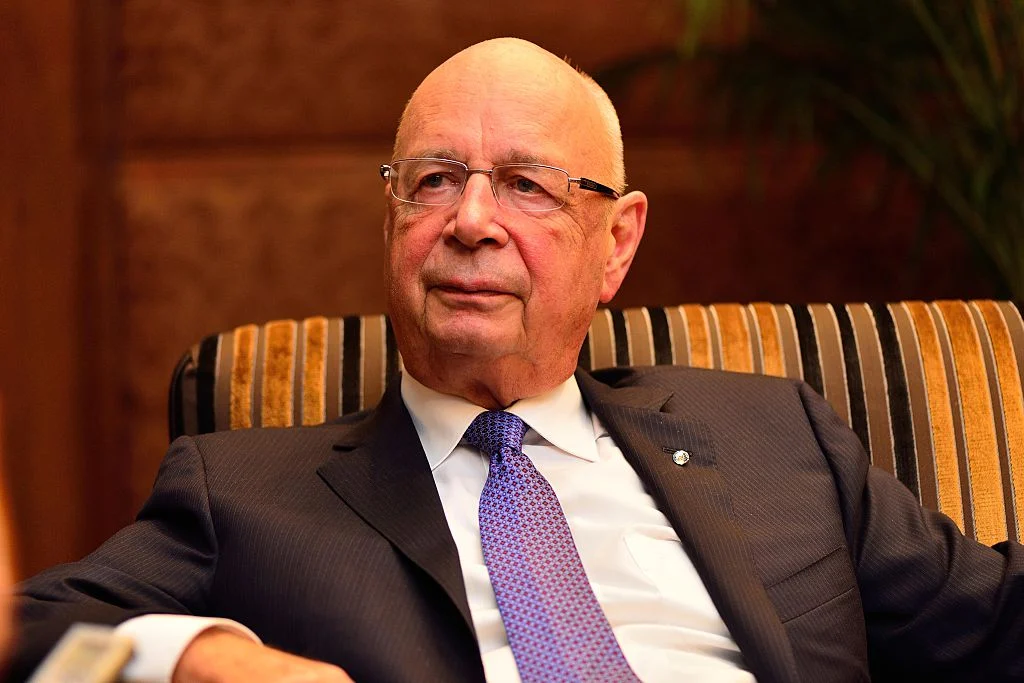
Klaus Schwab net worth reflects decades of dedication to fostering global cooperation and innovation as of late 2025.
The renowned German economist and WEF founder, born in 1938, stepped down from his leadership role at the World Economic Forum in April 2025 after over five decades at the helm.
Estimates place Klaus Schwab net worth between $25 million and $100 million, derived primarily from his long tenure as founder and executive chairman, book royalties, speaking engagements, and investments.
His signature concepts like the Fourth Industrial Revolution and Great Reset continue influencing discussions on global governance and sustainable development.
Despite controversies, including whistleblower allegations investigated by the WEF, Klaus Schwab remains a pivotal figure in promoting public-private cooperation. His resignation marked a transition, with the organization appointing interim leadership while searching for a permanent chair.
Klaus Schwab Net Worth Bio/Wiki
| Attribute | Details |
|---|---|
| Full Name | Klaus Martin Schwab |
| Date of Birth | March 30, 1938 |
| Klaus Schwab Net Worth Age (as of December 2025) | 87 years old |
| Birthplace | Ravensburg, Germany |
| Nationality | German |
| Profession | Mechanical Engineer, Economist, Author, Founder of World Economic Forum |
| Education | Doctorates in Engineering (Swiss Federal Institute of Technology, Zurich) and Economics (University of Fribourg); Master in Public Administration (Harvard Kennedy School) |
| Family | Married to Hilde Schwab since 1971; Two children: Olivier Schwab and Nicole Schwab |
| Career Highlights | Founded European Management Forum (1971), renamed World Economic Forum (1987); Author of “The Fourth Industrial Revolution” (2016) and “COVID-19: The Great Reset” (2020); Promoted stakeholder capitalism; Resigned as WEF Chairman in April 2025 |
Klaus Schwab was born Klaus Martin Schwab in Ravensburg, Germany, on March 30, 1938, amid the tensions of pre-World War II Europe. His father, Eugen Wilhelm Schwab, managed a subsidiary of the engineering firm Escher Wyss, while his mother came from Swiss roots.
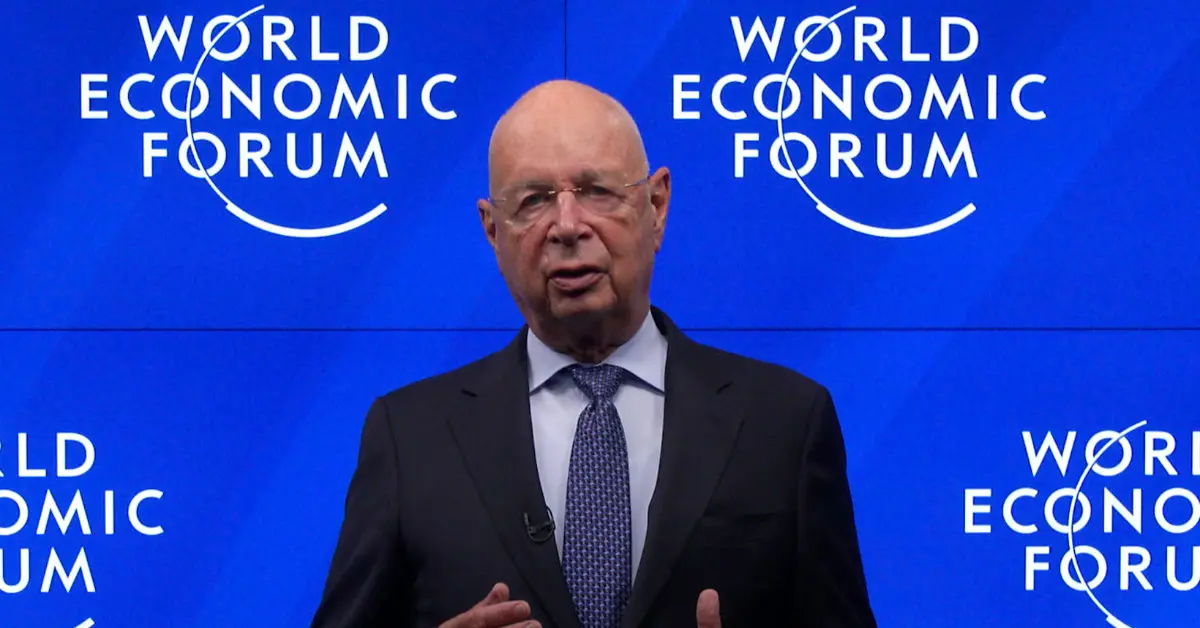
The family faced scrutiny during the Nazi era, with Schwab’s mother once questioned for using Swiss dialect. After the war, young Schwab attended school in Germany before pursuing higher education in Switzerland.
He earned a doctorate in mechanical engineering from the Swiss Federal Institute of Technology in Zurich. This technical foundation complemented his growing interest in economics and management.
Schwab continued studies at the University of Fribourg, obtaining a doctorate in economics summa cum laude. Mentored by figures like Henry Kissinger during his Master in Public Administration at Harvard’s Kennedy School, he blended engineering precision with economic insight.
From 1972 to 2003, Schwab served as professor of business policy at the University of Geneva, becoming honorary professor thereafter. These formative years shaped his vision for bridging business, government, and society through public-private partnerships.
Founding the World Economic Forum
In 1971, Klaus Schwab founded the European Management Forum, initially aimed at introducing American management practices to European executives. Held annually in Davos, Switzerland, it quickly evolved into a platform for broader dialogue.
By 1987, it became the World Economic Forum, emphasizing global economic issues and global cooperation. Schwab’s leadership transformed Davos into a premier gathering for world leaders, CEOs, and innovators.
The WEF grew into a nonprofit foundation headquartered in Geneva, promoting stakeholder capitalism—where businesses serve society beyond shareholders. Initiatives like Young Global Leaders (2004) and Global Shapers (2011) extended his influence to emerging generations.
Under Schwab, the Forum addressed pressing challenges, from climate change to technological disruption. His approach to global governance emphasized multi-stakeholder collaboration involving government, business, and civil society.
Klaus Schwab Net Worth Physical Appearance Height Weight
| Attribute | Details |
|---|---|
| Height | Approximately 5 feet 8 inches (173 cm) |
| Weight | Around 160-170 lbs (estimated, based on public appearances) |
| Eye Color | Blue |
| Hair Color | Gray (formerly dark) |
| Body Type | Slender and distinguished |
| Distinctive Features | Formal attire, sharp suits, authoritative presence |
His blue eyes and gray hair contribute to an intellectual, authoritative look often seen at Davos summits. Schwab favors sharp business suits, projecting confidence and gravitas.
Public appearances in 2025, before and after his resignation, showed him in good health. His composed demeanor underscores decades of engaging with high-level decision-makers.
The Fourth Industrial Revolution Concept
Klaus Schwab popularized the Fourth Industrial Revolution in his 2016 book, describing a fusion of physical, digital, and biological technologies. Unlike prior revolutions powered by steam, electricity, or computers, this era features AI, robotics, biotechnology, and quantum computing.
Schwab argued it blurs lines between spheres, offering immense potential for progress but also risks like inequality and job displacement. He advocated harnessing innovations for public good.
The concept became a Davos theme, influencing policy worldwide. Schwab’s follow-up works expanded on adapting governance and economies.
His foresight positioned the WEF as a thought leader in navigating technological change. Critics debated implications, yet the framework shaped discussions on ethical AI and sustainable innovation.
The Great Reset Initiative
Launched in 2020 amid the COVID-19 pandemic, the Great Reset proposed rethinking capitalism post-crisis. Klaus Schwab co-authored a book outlining rebuilding more resilient, equitable systems.
Core pillars included stakeholder capitalism, greener infrastructure, and leveraging Fourth Industrial Revolution technologies. It aimed at fairer outcomes through public-private cooperation.
The initiative sparked debate, praised for addressing inequalities exacerbated by the pandemic, criticized by some as overreaching. Schwab emphasized opportunity for positive change.
In 2025 reflections, the Great Reset influenced recovery policies globally. It underscored Schwab’s belief in collaborative solutions to systemic challenges.
Why Did Klaus Schwab Resign in 2025?
Klaus Schwab announced his resignation as WEF Chairman in April 2025, citing age as he approached 88. He stepped down immediately from the Board of Trustees.
The decision followed whistleblower allegations of misconduct, prompting an independent investigation. Claims included financial improprieties and ethical issues, which Schwab denied.
The World Economic Forum confirmed the probe while appointing interim leadership. Schwab maintained focus on transitioning the organization he built over 54 years.
His departure marked an era’s end, allowing fresh perspectives amid evolving global challenges. The WEF continued operations, reaffirming commitment to its mission.
Klaus Schwab’s Approach to Global Governance
Klaus Schwab championed global governance through multi-stakeholder models. He believed complex issues require collaboration beyond governments.
The WEF facilitated dialogues among CEOs, heads of state, and civil society. Schwab promoted stakeholder capitalism, urging businesses to consider broader impacts.
His vision emphasized public-private partnerships for addressing climate, health, and inequality. Initiatives fostered entrepreneurship in the common interest.
Critics viewed it as elitist, yet supporters credited fostering cooperation. Schwab’s legacy lies in institutionalizing inclusive global discourse.
Wealth and Influence of Klaus Schwab
Klaus Schwab net worth stems from his WEF salary of approximately 1 million Swiss francs annually, book royalties, and investments. Estimates vary widely due to privacy.
Properties include a Swiss residence near Geneva. No evidence suggests billionaire status; wealth aligns with long nonprofit leadership.
Influence extends beyond finances—shaping agendas via Davos and publications. Klaus Schwab net worth symbolizes intellectual capital amassed through vision.
Post-resignation in 2025, focus shifted to legacy in global economic forums.
Klaus Schwab on Social Media
| Platform | Username/Handle | Follower Count (Late 2025 Estimate) | Notes/Links |
|---|---|---|---|
| X (Twitter) | @ProfKlausSchwab | Limited activity | Official, verified account |
| Klaus Schwab | Professional connections | Active for WEF-related posts | |
| Other | Primarily through WEF channels | N/A | Low personal presence; Focus on privacy |
Most communication occurs via World Economic Forum platforms. This low-key approach aligns with his emphasis on substantive dialogue over personal branding.
In 2025, post-resignation posts reflected on transitions and future cooperation.
Books and Publications by Klaus Schwab
Klaus Schwab authored influential books shaping global thought. Key works include “The Fourth Industrial Revolution” (2016), detailing technological fusion.
“COVID-19: The Great Reset” (2020) proposed post-pandemic rebuilding. “Stakeholder Capitalism” (2021) advocated broader corporate responsibility.
Later titles explored narratives for progress. Royalties contribute to Klaus Schwab net worth, while ideas drive policy.
His writings blend optimism with calls for ethical adaptation.
Legacy After Resignation in 2025
Klaus Schwab‘s 2025 resignation closed a transformative chapter. The WEF he founded evolved into a key player in global cooperation.
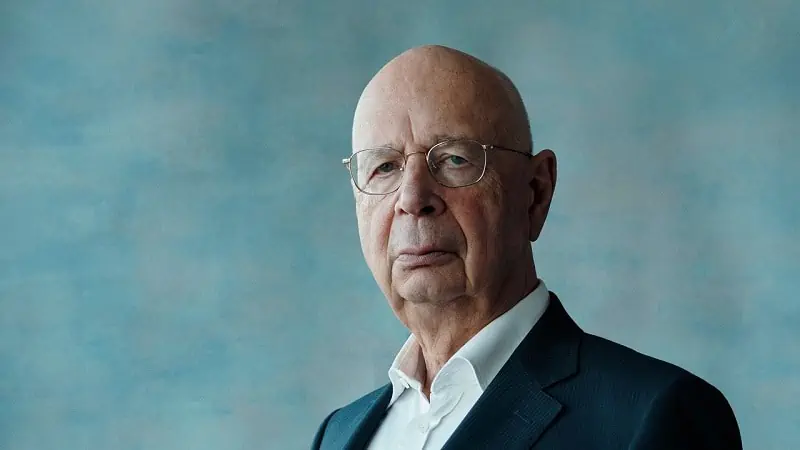
Initiatives like Young Global Leaders continue nurturing talent. Concepts of stakeholder models persist in boardrooms.
Amid controversies, his promotion of dialogue endures. The Forum’s future builds on his foundation.
Fun Facts about Klaus Schwab
Mentored by Henry Kissinger during Harvard studies.
Founded the WEF precursor the same year he married Hilde.
Holds over a dozen honorary doctorates worldwide.
Fluent in multiple languages including German, English, and French.
Co-founded the Schwab Foundation for Social Entrepreneurship with his wife.
Authored books that popularized terms like Fourth Industrial Revolution.
Transformed a small symposium into the iconic Davos gathering.
Frequently Asked Questions about Klaus Schwab Net Worth
What is Klaus Schwab net worth in 2025?
Estimates range from $25 million to $100 million, primarily from salary, royalties, and investments.
When did Klaus Schwab resign from WEF?
He resigned as Chairman in April 2025.
What is Klaus Schwab’s most famous book?
“The Fourth Industrial Revolution” (2016).
Who succeeded Klaus Schwab at WEF?
Interim Chairman Peter Brabeck-Letmathe; search for permanent ongoing.
What is the Great Reset?
A 2020 initiative for post-COVID rebuilding toward sustainable systems.
Where was Klaus Schwab born?
Ravensburg, Germany.
What degrees does Klaus Schwab hold?
Doctorates in engineering and economics; Harvard MPA.
Conclusion of Klaus Schwab Net Worth
Klaus Schwab net worth and legacy encapsulate a lifetime devoted to advancing global cooperation and innovative thinking.
At 87 in 2025, following his April resignation from the World Economic Forum he founded, Schwab leaves an indelible mark on international dialogue.
From conceptualizing the Fourth Industrial Revolution to launching the Great Reset amid the COVID-19 crisis, his ideas spurred debates on stakeholder capitalism, public-private partnerships, and ethical progress.
Estimates of Klaus Schwab net worth highlight modest wealth relative to influence, built through dedication rather than pursuit of profit. The WEF‘s evolution under his guidance fostered connections among world leaders, CEOs, and changemakers.
As the organization transitions, Schwab’s vision of inclusive, sustainable advancement endures. His story inspires bridging divides for collective betterment in an interconnected world.
