

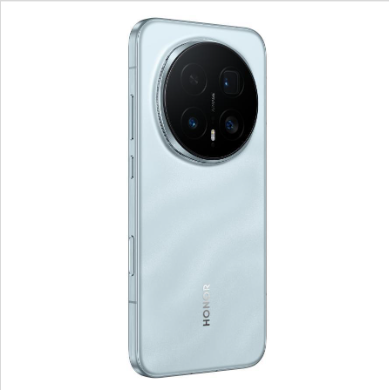
Artificial Intelligence is reshaping the capabilities of smartphone cameras and editing software. It enhances the way users capture and edit photos and videos. AI’s integration is revolutionizing smartphone photography by delivering smarter imaging and more efficient editing. This transformation provides an unparalleled experience for both amateur and professional photographers. AI’s evolution in image processing introduces advanced algorithms that enable smartphones to compete with high-end cameras. Users now benefit from faster workflows, allowing them to spend less time on editing and more time being creative. Let’s dive into how AI impacts camera hardware, editing tools, and real-time video processing.
AI’s Impact on Camera Hardware and Processing
The advent of AI in smartphones is drastically improving camera hardware and processing speeds. Smartphones are increasingly becoming sophisticated with each new model, providing photographers with powerful tools in their pockets.
Sensor-Level Enhancements and Computational Photography
AI’s influence commences at the sensor level. Advanced algorithms analyze scenes to improve image quality. Computational photography employs AI to stitch images, improve resolution, and adjust exposure. This results in richer, detailed photos. The fusion of AI with sensors allows smartphones to process complex scenes instantaneously. Techniques like depth mapping and pixel binning are facilitated by intelligent algorithms. They work together to create striking photos that blur the line between mobile and professional cameras. The blend of hardware and AI software is setting new standards for mobile photography. These advancements also influence buying decisions, as users often compare imaging performance while searching for devices—frequently using terms like HONOR Magic 8 Pro price in malaysia to evaluate value and features.
AI Noise Reduction, HDR Stacking, and Low-Light Gains
AI-driven noise reduction techniques ensure cleaner images in challenging settings. By reducing visual noise, AI clarifies images even in low-light conditions. Notably, High Dynamic Range (HDR) stacking uses AI to merge multiple exposures. This balances highlights and shadows, enhancing image depth. Low-light photography specifically benefits from AI algorithms that adjust the sensor’s sensitivity to light. By employing machine learning, smartphones gain the capability to capture vibrant images without distortion. This means users can now take clear shots in environments once deemed too dark for mobile cameras.
AI Editing Tools That Change How Users Retouch Photos
AI editing tools are revolutionizing how users retouch their photos. They offer functionalities that were previously restricted to professional software. AI enhancements enable users to perfect their images effortlessly, making editing more accessible to everyone.
Smart Object Removal, Background Editing, and Face Retouching
Intelligent algorithms facilitate the removal of unwanted elements from pictures. Users can efficiently edit backgrounds, maintaining the integrity of the image. AI improves face retouching significantly by applying subtle changes that enhance natural features. It identifies and corrects imperfections like blemishes, ensuring subjects look their best. Advanced software incorporates machine learning to differentiate between elements. This precision ensures that edits do not compromise image quality. AI empowers users to execute edits that once required extensive skill and time.
AI Filters, Style Transfer, and Auto Color Correction
Filters powered by AI offer dynamic adjustments to photos by analyzing each image’s content and applying changes that enhance its appeal. Style transfer allows users to apply the aesthetic of one image to another, altering its visual tone. Auto color correction refines images by adjusting hues and saturation for a polished look. These tools democratize photo editing, making artistic expression accessible with a single tap. As AI continues to develop, these tools will expand, offering even more creative freedom.

Real-Time Video Intelligence Powered by AI
AI empowers smartphones with real-time video processing capabilities. This technology transforms how users capture and produce videos. By leveraging complex algorithms, AI constructs seamless, high-quality video content.
Live Stabilization, Tracking, and Frame Optimization
Video capture benefits immensely from live stabilization powered by AI, offering creators noticeably smoother and more refined footage. This advanced stabilization minimizes unwanted shaking, resulting in professional-quality videos even when recorded on the move. Intelligent subject tracking further enhances the experience by automatically following moving subjects, keeping them in focus and properly framed at all times. Meanwhile, real-time frame optimization uses machine learning to analyze and adjust each frame instantly, delivering clear, high-resolution results. Together, these features reduce reliance on extra gear, making mobile content creation far more convenient and efficient for users on the go.
AI Video Editing and Auto Cuts
AI elevates video editing by suggesting smart auto cuts, transitions, and pacing adjustments. It analyzes each scene to identify the best points for trimming, merging, and aligning clips, which helps streamline the entire editing process. This allows users to produce smooth, cohesive videos with far less manual effort. Machine learning models also learn individual preferences over time, adapting edits to match personal styles. As AI-powered video tools continue to advance, they provide creators with stronger, more intuitive features for crafting engaging and visually compelling narratives.
Conclusion
Artificial Intelligence is redefining smartphone photography and editing. Its synergy with hardware transforms everyday shots into stunning works of art. AI advancements in noise reduction, HDR, and low-light capabilities optimize the camera’s potential, while intelligent editing tools simplify the retouching process. Real-time video processing ensures content creators can produce high-quality videos without needing elaborate equipment. As AI continues to evolve, its role in enhancing our visual experiences through smartphones will only expand, offering limitless possibilities for creativity and innovation.
