

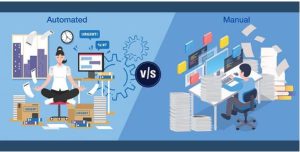
Artificial Intelligence is revolutionizing the way we think about and conceptualize our digital marketing efforts, but how? Without automation, marketing analysis was entirely reliant on manual data interpretation and human insights which are time-consuming processes with non-reliable results. Artificial intelligence lets digital marketing experts automate some of their most repetitive tasks and gain more insights from reams of data, thus doing a better job of delivering results through their marketing.
In this article, we will discuss how AI development services are entering the world of digital marketing analysis and provide some tips to help you get ahead. AI has vastly modernized the way companies interact with their customer base and optimize marketing tactics, from automating mundane tasks to future forecasting. Today we will discuss some AI-driven innovations: What are they and how do these make the future of marketing analysis you can use today?
Advanced-Data Preprocessing
Using AI in digital marketing, one of the most effective applications involves huge databases which as human beings we are unable to do work quickly and here artificial intelligence comes into play. This information could potentially originate from the company website, a social media activity, or an email campaign – with AI algorithms putting it in numbers to show you critical trends. Marketers Can Make Better Decisions by using real-time insights from their TRM, marketers can gain a wealth of information. An AI presentation maker simplifies the process of presenting data-driven insights and analytical results in a way that’s both visual and easy to interpret.
AI tools like chatbots and customer behavior analysis apps also can keep an eye on what consumers have stopped liking. They are similarly announcing trends they will too early, as well. This leaves the marketers one step ahead and able to craft campaigns around those that are successful, ultimately creating more engagement conversion. To dive deeper into understanding AI-driven customer behavior analysis, check out this comprehensive guide.
For instance, an AI solver like a math solver app can perform and automate intricate calculations that allow marketers to concentrate on building inventive strategies. These tools enable marketers to process large amounts of data more accurately, perform sophisticated marketing analysis, and make decisions at a rapid rate.
Predictive Analytics for Targeted Campaigns
The role of AI in digital marketing goes beyond analyzing data from the past; it is also good at predicting what is most likely to happen in the future. Predictive analytics-powered tools by AI can forecast customer behavior, hence affording a business the ability to try and anticipate trends before they take place. By making use of historical data and analyzing several patterns, AI models can compute which marketing efforts are most likely to pay off.
An example could be an AI-driven application that helps you grasp what kind of content works for your audience, hence informing you on how to adjust the strategy. As AI continues to evolve, its ability to give more and more accurate predictions will enable marketers to fine-tune their work even further. Predictive analytics can also allow brands to create more personalized content. By analyzing a customer’s past behavior and preferences, AI can recommend a product or service that is most relevant to them. This enhances the customer experience, which improves engagement rates, leading to loyalty and, ultimately, sales.
Automation of Routine Marketing Tasks
AI doesn’t just change how marketers analyze data, but it’s also changing how they automate a lot of those repetitive tasks. Many AI-driven tools can now perform tasks such as sending personalized email campaigns, scheduling social media posts, and even managing ad campaigns. This frees up time that can be utilized toward more strategic aspects of their work, such as content creation and campaign optimization.
You can also create workflows to have the systems trigger customized emails via AI-powered platforms whenever the customers show interest in specific content on your website. It will not only improve efficiency but also ensure seamless customer journeys from beginning to end. To automate your marketing tasks, try out our AI marketing tools that can optimize processes like content personalization, email automation, and customer engagement.
Besides, AI stands at the very frontier of real-time customer interactions: through NLP-powered chatbots, clients get instant support, answers, and walkthroughs to closing deals without human inclusion. This level of customer service does not only raise the experience several notches but sets free valuable human resources for more complex tasks.
Practical Example: AI in Real-Time Personalization
AI enables the personalization of content in real-time, which is one of the most powerful tools in a marketer’s arsenal. The personalized recommendations, dynamic ads, and personalized emails are driven by AI algorithms that study user behavior and preferences.
For example, a user lands on your site looking for answers to complex math problems. With ai math helper as part of your marketing mix, you would be in a position to offer tailor-made solutions to his questions. Real-time personalization like this makes the user feel understood and taken care of, increasing the chances of his conversion.
AI-driven personalization can go all the way up to product recommendations, suggestions of content, and even pricing. By digging deep into consumer data analysis and adapting on-the-go marketing, AI will make sure that every single interaction with your customers will just be as relevant and effective as it gets.
AI-Powered Tools for Marketing Analysis
There are many AI-powered tools out there that can help enhance your efforts for marketing analysis. Google Analytics, HubSpot, and SEMrush are some of the most famous tools that have started using AI in their reporting features. The above-mentioned platforms can automatically prepare insights, show key trends, and even recommend actions based on the collected data.
Besides, AI-based support might also involve competitor analysis that searches for their activity in digital marketing. This would simultaneously show the gaps or opportunities in your strategy. For example, AI can analyze how your competitors’ performance goes on social media, what direction they take to approach SEO strategies, and their content marketing efforts for actionable insights. For a deeper look into how AI tools can improve your marketing analysis, refer to our page with various AI marketing tools.
Other examples include AI for sentiment analysis, which lets marketers understand how public perception towards their brand feels and takes place through the use of social media conversations, product reviews, and online feedback. By understanding precisely how customers feel towards your brand in real time, you’ll be able to adjust your strategy quickly when needed to help mitigate concerns or capitalize on positive feedback.
Actionable Tips to Leverage AI in Your Marketing Strategy
AI application in digital marketing can be extended to develop digital marketing capability based on:
- AI for Segmentation: AI can automate segmenting your audience. For example, it can automatically categorize customers based on their behavior, preferences, and buying patterns.
- AI-driven predictive analytics could help identify customer behavior to optimize your campaigns. It helps you, therefore, make more informed marketing decisions by continually improving the return on investment.
- Automate tasks in a routine manner with the assistance of AI-enabled apps and platforms that do such tasks on a routine basis related to marketing, like email scheduling, posting on social media sites, and responding to customer queries.
- Invest in real-time personalization: Embed AI-driven personalization into your strategy to recommend products, content, or services that best fit the preferences of each user.
- Tracking and measurement: make use of the AI analytics tools for measuring the success of your campaigns and make data-driven adjustments for continuous improvement.
Conclusion
The rise of AI in digital marketing is not some sort of fad; it is a revolution that has changed the way people hitherto approached marketing analysis. It allows marketers to gain deeper insights through AI, automate tasks, and create more personalized content for their audience. Be it enhancing your data analysis or improving predictive analytics for seamless marketing operations, AI has all the arms and ammunition that will help you thrive in this fast-moving digital space.
It’s time to accept them and include them in your marketing strategy. With the power of AI to optimize every single detail of your digital marketing effort, you are guaranteed to yield better results, improve relationships with customers, and achieve long-term success.
