

Why do we have eyelashes is a question most people never stop to ask, even though they blink hundreds of times a day.
Eyelashes look decorative, but they are actually small sensors and shields built by evolution. They guard the eyes from dust, wind, sweat, and harsh light.
What Are Eyelashes?
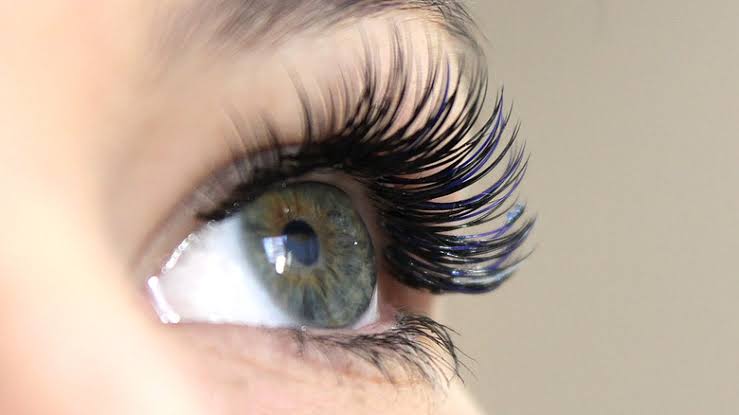
Eyelashes are short, curved hairs that grow along the edge of the upper and lower eyelids. Unlike scalp hair, they are coarse, short, and grow in a fixed, limited cycle.
They are positioned in rows right at the rim of the eyelid, angled outward so they do not poke the eyeball when the eyes close.
The Science Behind Eyelashes
Eyelashes are not random hair growth. Each lash has a specific structure and a timed life cycle that controls its length and thickness.
Eyelash Anatomy
Every eyelash has three basic parts: the visible hair shaft, a root under the skin, and a bulb that connects to a blood supply called the dermal papilla.
This blood supply feeds the follicle and controls how fast a lash grows and how long it stays before falling out.
Eyelash Growth Cycle
Like all body hair, eyelashes go through three growth phases. Understanding why do we have eyelashes also means understanding how they renew themselves constantly.
| Phase | What Happens | Approximate Duration |
|---|---|---|
| Anagen (Growth) | Active growth phase, hair shaft lengthens | 4 to 10 weeks |
| Catagen (Transition) | Follicle shrinks and detaches from blood supply | 2 to 3 weeks |
| Telogen (Resting) | Old lash rests, then sheds to make room for new growth | 3 to 4 months |
At any given time, close to 40% of upper lashes and 15% of lower lashes are actively growing, while the rest are resting or transitioning. This is why losing a few lashes a day is completely normal.
Why Do We Have Eyelashes? Main Purposes
The main reason we have eyelashes is protection. But that protection actually works through several separate mechanisms, not just one.
Protection From Dust and Debris
Eyelashes act like a mesh screen at the entrance of the eye. They physically catch dust, pollen, sand, and lint before these particles reach the eyeball.
This barrier lowers the risk of irritation, scratches, and infections that dirt or debris could otherwise cause.
Blocking UV Rays and Sun Glare
Eyelashes sit close enough to the eye to slightly reduce direct sunlight reaching the surface, similar to how a small visor works.
This glare reduction helps you see clearly outdoors without depending only on squinting or sunglasses.
Reducing Moisture Evaporation
A well-known 2015 study published in the Journal of the Royal Society Interface found that eyelashes reduce tear evaporation by slowing airflow across the eye’s surface.
Researchers estimated that eyelashes can cut moisture loss from the eye by up to 50%, keeping the eye lubricated for longer.
Triggering the Blink Reflex
Eyelashes are extremely sensitive to touch, almost like tiny antennae. When an insect, eyelash, or stray particle brushes against them, they instantly signal the brain.
This triggers a fast, involuntary blink that closes the eyelid before anything can actually touch the eyeball.
Sensory Function (Touch Detection)
This touch-sensing role works much like whiskers on a cat. The nerve endings around each lash follicle are wired to react in milliseconds.
That reaction time is faster than a conscious decision to blink, which shows how important this protective feature really is.
Eyelashes vs Eyebrows: How They Work Together
Eyelashes and eyebrows are often grouped together, but they protect the eyes in different ways and at different distances.
| Feature | Eyelashes | Eyebrows |
|---|---|---|
| Location | Edge of eyelids | Above the eye socket |
| Main Job | Block dust, trigger blink reflex | Divert sweat and rain sideways |
| Sun Protection | Reduces glare close to the eye | Blocks overhead light and shades the eye |
| Sensitivity | Very high, touch-triggered blink | Low, mostly structural |
| Hair Growth Speed | 0.12 to 0.14 mm per day | Similar slow growth rate |
Both features work as a team. Eyebrows stop moisture and sweat from ever reaching the eye area, while eyelashes handle whatever gets close afterward.
Interesting Facts About Eyelashes
Beyond the basic function, eyelashes have some unusual biological traits that most people are not aware of.
| Fact | Detail |
|---|---|
| They rarely turn gray | Eyelashes are the most heavily pigmented hair on the human body |
| They almost never form cancer | Melanocytes at the base of the follicle rarely become malignant |
| They have a length limit | Lashes stop growing once they reach a certain length, usually under 12mm |
| They grow slower than scalp hair | Scalp hair grows at 0.2 to 1.1 mm per day; lashes grow far slower |
| They are among the shortest-lived hairs | Their full cycle lasts only 4 to 11 months |
These traits are part of why scientists consider eyelashes unique compared to any other hair on the human body.
How Many Eyelashes Do Humans Have?
The number of eyelashes a person has depends heavily on genetics, but there is a general average range that most studies agree on.
On the upper eyelid, most people have somewhere between 90 and 160 lashes, arranged across five to six rows.
The lower eyelid usually carries fewer lashes, typically in the range of 50 to 80, spread across one to two rows.
Combined, this puts the average total per eye at roughly 150 to 250 eyelashes, though this can vary from 100 to 300 depending on ethnicity and individual genetics.
What Happens If You Don’t Have Eyelashes?
Some people lose their eyelashes due to a condition called madarosis, which can result from thyroid disorders, alopecia, chemotherapy, or repeated eyelash pulling.
Without eyelashes, the eyes are exposed to more dust, dirt, and airborne particles, which raises the risk of irritation and infection.
People without lashes also tend to experience faster tear evaporation, leading to dry eyes and frequent discomfort, especially outdoors or in windy conditions.
This is strong evidence for why do we have eyelashes in the first place: they are not decorative, they are functional armor for the eyes.
Do Eyelashes Serve an Evolutionary Purpose?
Human body hair has thinned out dramatically over the course of evolution, yet eyelashes and eyebrows remained untouched.
Researchers believe this survival points to a strong functional benefit, since evolution tends to eliminate features that no longer serve a purpose.
Scientists studying airflow around the eye found that eyelash length is naturally optimized. Lashes about one-third the width of the eye create the best airflow reduction, cutting both dust intake and moisture loss.
Lashes that are too long or too short actually funnel more air and dust directly onto the eye instead of deflecting it, which suggests this length evolved for maximum efficiency.
Eyelashes and Eye Health Over Time
As people age, the eyelash growth cycle naturally slows down, similar to how scalp hair thins with age.
This is why older adults often notice sparser, shorter lashes compared to when they were younger, even without any illness involved.
Hormonal changes, particularly during menopause or thyroid imbalances, can also affect how thick or full the lash line appears.
Because eyelashes still perform the same protective job at any age, thinning lashes in older adults can sometimes mean slightly more exposure to dust and dryness.
This is one more reason gentle lash care becomes more important, not less, as people get older.
How to Keep Your Eyelashes Healthy
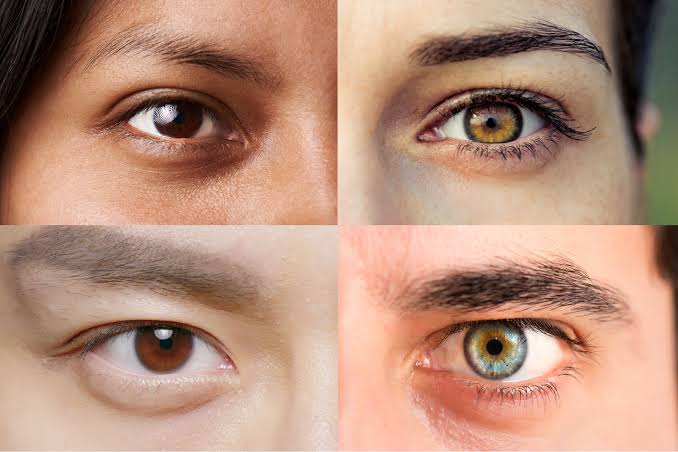
Since eyelashes play such an active protective role, keeping them healthy supports overall eye health, not just appearance.
- Remove eye makeup gently every night instead of rubbing or pulling at the lash line.
- Avoid excessive use of waterproof mascara, which can dry out and weaken lashes over time.
- Do not pluck, pull, or overuse eyelash curlers, since this can damage the follicle permanently.
- Eat a balanced diet with enough protein, biotin, and vitamins A and E, which support hair follicle health.
- Clean the eyelid margin regularly to prevent buildup that can clog follicles and cause irritation.
Following these habits helps maintain both the look and the natural protective function of your eyelashes.
Eyelashes in Babies and Children
Babies are born with eyelashes already formed, since lash follicles develop early during fetal growth, usually by the second trimester.
Newborn lashes are often short and fine, gradually thickening and darkening over the first few years of life as follicles mature.
Because infants cannot voice discomfort, their eyelashes play an especially important early role in protecting sensitive, developing eyes from dust and glare.
Parents are generally advised to avoid using adult eye cosmetics or harsh wipes near a baby’s lash line, since infant skin and follicles are still delicate.
Quick Summary: Key Benefits of Eyelashes
Before moving into the FAQ section, here is a quick summary table covering the core benefits discussed throughout this guide.
| Benefit | How It Helps |
|---|---|
| Dust and debris filtering | Physically blocks particles from reaching the eye |
| Glare reduction | Cuts down direct sunlight hitting the eye surface |
| Moisture retention | Slows airflow to reduce tear evaporation |
| Blink reflex trigger | Provides instant touch-based protection |
| Evolutionary fine-tuning | Length and density optimized for airflow control |
This table captures why do we have eyelashes in one simple overview, tying together biology, evolution, and everyday eye protection.
Do Eyelashes Exist in Other Animals?
Eyelashes are not unique to humans. Most mammals with exposed eyes have some form of lash, though the length and density vary a lot between species.
Camels are famous for having some of the longest eyelashes in the animal kingdom, sometimes measuring several inches. This length helps block blowing sand in desert environments.
Giraffes also have unusually long, thick eyelashes that shield their eyes from dust and harsh sunlight while grazing in open grasslands.
| Animal | Eyelash Trait | Main Purpose |
|---|---|---|
| Camel | Very long, double-layered | Blocks sand and desert wind |
| Giraffe | Long and thick | Shields from sun and dust |
| Horse | Medium length, dense | Filters flying insects and debris |
| Human | Short, moderately dense | Filters dust, reduces glare, slows tear evaporation |
This pattern across species supports the idea that eyelashes evolved specifically as a protective feature rather than a cosmetic one.
Eyelashes and Contact Lens Wearers
People who wear contact lenses often notice their eyelashes more than others, mainly because lashes are so sensitive to touch.
If a lash curls inward or a contact lens shifts near the lash line, it can trigger repeated blinking or watering, since the nerve endings react immediately.
This sensitivity is actually protective, not annoying. It alerts the wearer quickly if something is misaligned or irritating the eye surface.
Contact lens users are also advised to be extra gentle when removing eye makeup, since irritated or damaged lash follicles can make lens wear more uncomfortable.
Do Eyelash Growth Serums Actually Work?
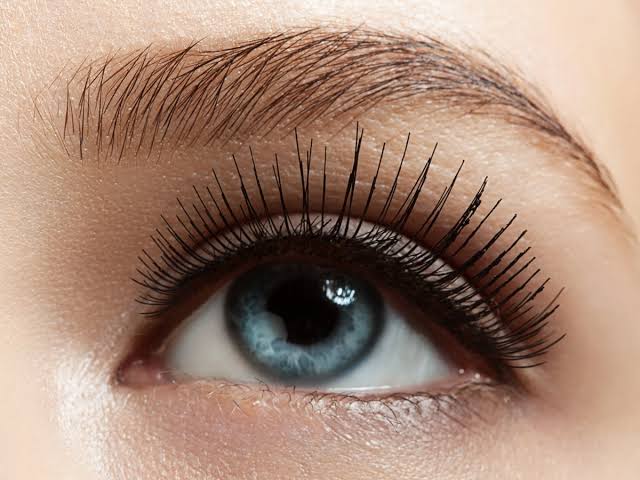
Many people ask about serums when they learn how limited the natural eyelash growth cycle really is.
Some serums contain peptides, biotin, or prostaglandin analogs, ingredients shown in studies to extend the anagen (growth) phase of the lash cycle.
Extending this growth phase can lead to longer, thicker-looking lashes over several weeks of consistent use, typically six to eight weeks for visible results.
However, results vary by individual, and stopping use usually causes lashes to return to their natural length and cycle over time.
History and Cultural Perception of Eyelashes
Long, dark eyelashes have been associated with beauty across many cultures for thousands of years, from ancient Egypt to modern beauty standards.
Ancient Egyptians used kohl to darken their lash lines, partly for appearance and partly because it was believed to offer some protection from sun glare and flies.
Today, the beauty industry around eyelashes, including mascara, extensions, and lash lifts, is worth billions of dollars globally, showing just how central lashes are to beauty routines.
Despite this heavy focus on appearance, the underlying biological reason for eyelashes has always remained protective, not cosmetic.
When to See a Doctor About Eyelash Loss
Occasional lash shedding is completely normal, since a portion of your lashes are always cycling through the resting phase.
However, sudden or patchy eyelash loss, especially combined with itching, redness, or swelling, could indicate an underlying issue that needs medical attention.
Conditions such as blepharitis, thyroid disorders, alopecia areata, or an allergic reaction to cosmetics can all cause noticeable lash thinning.
If eyelash loss happens quickly or is paired with other symptoms, it is worth having an eye doctor or dermatologist take a closer look.
Common Eyelash Myths vs Facts
There is a lot of misinformation floating around about eyelashes, especially online. Here are some corrections based on actual research.
| Myth | Fact |
|---|---|
| Eyelashes stop growing permanently with age | Growth slows with age but the cycle continues |
| Pulling a lash makes two grow back | Pulling can damage the follicle and reduce regrowth |
| Coconut oil makes lashes grow overnight | Oils support conditioning but do not speed up growth instantly |
| False eyelashes have zero downside | They can trap more dust and cause allergic reactions or infections |
| All lashes fall out and grow back at once | Only a portion of lashes shed at any given time, not all together |
Knowing these facts can help you avoid habits that unintentionally damage your natural lash line.
The Ideal Eyelash Length, According to Science
Researchers at Georgia Tech studied eyelash length across 22 mammal species and found a consistent pattern worth knowing.
They discovered that eyelash length tends to equal roughly one-third of the width of the eye, regardless of the animal’s size.
Using this ratio, the team built mechanical eye models with lashes of different lengths and tested how air and dust moved around them.
Lashes shorter than this ratio failed to slow airflow effectively, letting more dust and moisture loss reach the eye surface.
Lashes longer than this ratio actually redirected airflow straight down onto the eye, increasing evaporation instead of reducing it.
This means human eyelash length is not accidental. It sits at a natural sweet spot that balances air deflection with practical movement and vision.
This is one of the clearest scientific answers to why do we have eyelashes at the specific length we do, rather than shorter stubble or long, sweeping strands.
Frequently Asked Questions (FAQs)
1. Why do we have eyelashes in the first place?
Eyelashes protect the eyes from dust, debris, and excess light. They also trigger a blink reflex when something touches them.
2. Do eyelashes actually protect our eyes?
Yes, eyelashes act as a physical filter and reduce tear evaporation, keeping the eyes moist and protected from irritants.
3. How many eyelashes does a person have on average?
Most people have around 90 to 160 lashes on the upper lid and 50 to 80 on the lower lid per eye.
4. How long does it take for eyelashes to grow back?
A full eyelash growth cycle takes about 4 to 11 months, though visible regrowth often starts within a few weeks.
5. Why don’t eyelashes turn gray like scalp hair?
Eyelashes are the most heavily pigmented hair on the body, which is why they rarely lose color with age.
6. Can eyelashes fall out from stress or illness?
Yes, stress, thyroid issues, chemotherapy, and certain skin conditions can cause temporary or long-term eyelash loss.
7. Do eyelash extensions damage natural lashes?
Poorly applied extensions can weigh down or pull on natural lashes, leading to breakage or early shedding over time.
8. Why are eyelashes a specific length and not longer?
Research shows lashes about one-third the width of the eye best reduce airflow and dust exposure onto the eye surface.
9. Do eyebrows and eyelashes work together?
Yes, eyebrows divert sweat and rain away from the eyes, while eyelashes catch remaining dust and trigger protective blinking.
10. What happens if someone has no eyelashes at all?
Without eyelashes, eyes are more exposed to debris, dry out faster, and become more prone to irritation and infection.
Conclusion
Eyelashes are far more than a beauty feature; they are a functional part of your eye’s natural defense system.
From blocking dust and reducing UV glare to slowing tear evaporation and triggering the blink reflex, every lash on your eyelid has a job to do.
Their exact length, growth cycle, and sensitivity are the result of evolutionary fine-tuning rather than chance.
Understanding why do we have eyelashes also explains why losing them, whether through illness, aging, or harsh grooming habits, can genuinely affect eye comfort and health.
Treating your lashes gently, avoiding unnecessary pulling or harsh products, and supporting healthy growth through good nutrition can help this small but essential feature keep doing its job for years to come.
