

Why is Mounjaro better than Ozempic is the question millions of patients and doctors are asking in 2026. Both are FDA-approved weekly injections for type 2 diabetes.
Both cause significant weight loss. But the clinical data increasingly points in one direction. Mounjaro targets two hormones while Ozempic targets only one.
That single difference changes everything — from blood sugar control to pounds lost on the scale.
What Are Mounjaro and Ozempic?
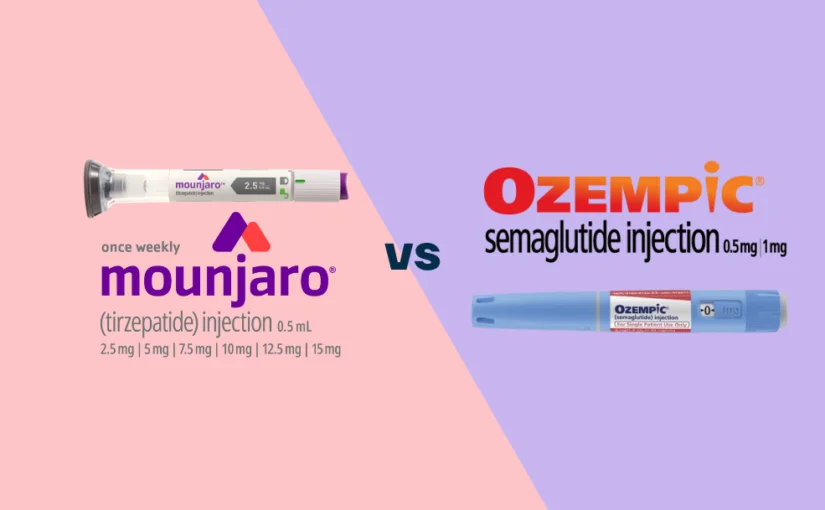
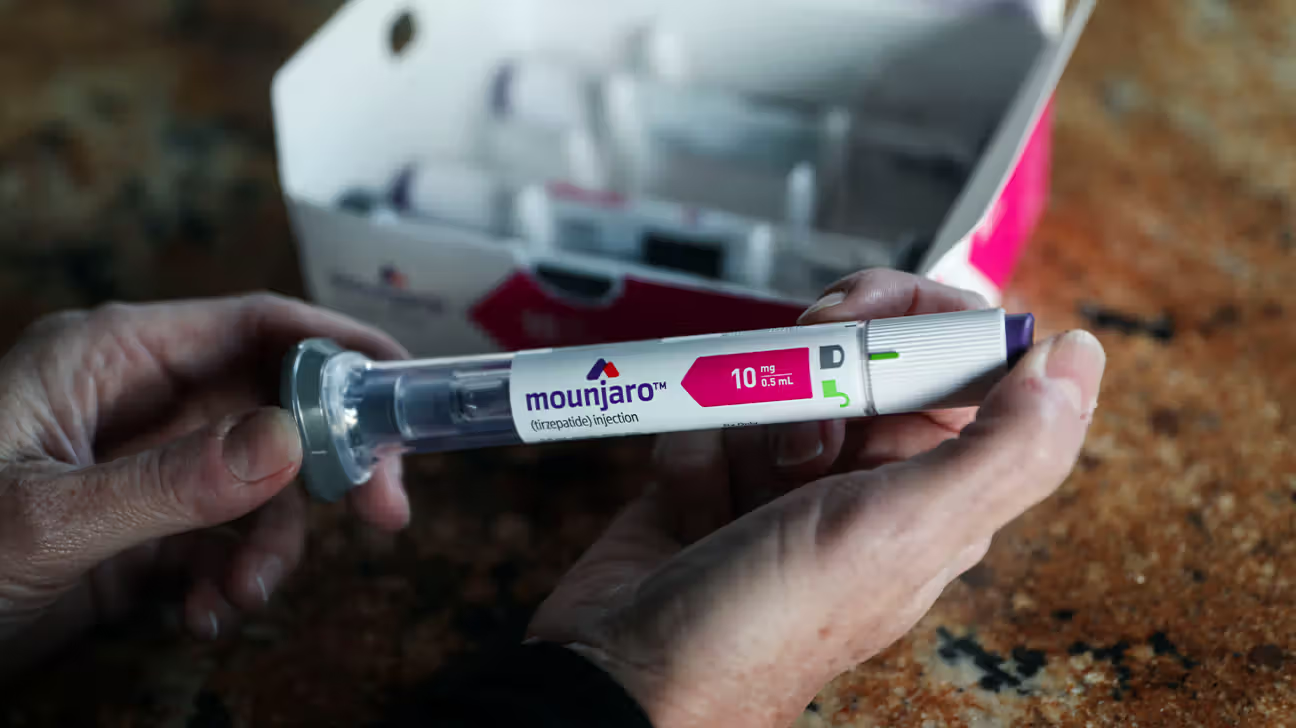
Mounjaro contains tirzepatide, made by Eli Lilly. It was FDA-approved in May 2022 for type 2 diabetes. Tirzepatide is also sold as Zepbound for chronic weight management.
Ozempic contains semaglutide, made by Novo Nordisk. It was FDA-approved in 2017 for type 2 diabetes. Semaglutide is also sold as Wegovy for weight loss.
Both are once-weekly subcutaneous injections. Both belong to the broader GLP-1 drug class. The core difference lies in how they interact with your body’s hormone receptors.
The Science: Dual Hormone vs Single Hormone Action
This is the most important reason why Mounjaro is considered better than Ozempic by many clinicians.
Ozempic (semaglutide) is a GLP-1 receptor agonist. It mimics glucagon-like peptide-1, a natural gut hormone. GLP-1 signals the brain that you are full, slows stomach emptying, stimulates insulin release after meals, and reduces glucose production in the liver.
Mounjaro (tirzepatide) is a dual GIP/GLP-1 receptor agonist. It does everything Ozempic does — and more. It also activates the GIP (glucose-dependent insulinotropic polypeptide) receptor. GIP is another natural incretin hormone that works alongside GLP-1 to enhance insulin secretion, improve fat metabolism, and further suppress appetite.
The dual action is not just an additive effect. Research suggests GIP and GLP-1 work synergistically — amplifying each other’s impact on appetite suppression and blood sugar regulation.
| Feature | Mounjaro (Tirzepatide) | Ozempic (Semaglutide) |
|---|---|---|
| Drug Class | Dual GIP/GLP-1 agonist | GLP-1 agonist only |
| Manufacturer | Eli Lilly | Novo Nordisk |
| FDA Approved For | Type 2 diabetes (2022) | Type 2 diabetes (2017) |
| Weight Loss Brand | Zepbound | Wegovy |
| Starting Dose | 2.5 mg/week | 0.25 mg/week |
| Maximum Dose | 15 mg/week | 2 mg/week (Ozempic) |
| Injection Frequency | Once weekly | Once weekly |
| Cardiovascular Approval | Not yet approved | Approved (SELECT trial) |
| Kidney Protection Approval | Not yet approved | Approved |
Head-to-Head Clinical Evidence
The clinical studies leave little room for doubt on the core metrics of blood sugar and weight loss.
The SURPASS-2 Trial
The most important head-to-head comparison was the SURPASS-2 trial — a 40-week Phase 3 study with over 1,879 participants who had type 2 diabetes inadequately controlled on metformin.
Participants were randomly assigned to Mounjaro (5 mg, 10 mg, or 15 mg) or Ozempic (1 mg) once weekly.
A1C Reduction Results from SURPASS-2:
| Drug & Dose | Mean A1C Reduction |
|---|---|
| Ozempic 1 mg | 1.86% |
| Mounjaro 5 mg | 2.01% |
| Mounjaro 10 mg | 2.24% |
| Mounjaro 15 mg | 2.30% |
All doses of Mounjaro outperformed Ozempic on A1C reduction. The highest Mounjaro dose reduced blood sugar nearly 0.5 percentage points more than Ozempic.
Weight Loss Results from SURPASS-2:
| Drug & Dose | Average Weight Lost |
|---|---|
| Ozempic 1 mg | 5.7 kg (12.5 lbs) |
| Mounjaro 5 mg | 7.8 kg (17.2 lbs) |
| Mounjaro 10 mg | 9.3 kg (20.5 lbs) |
| Mounjaro 15 mg | 11.2 kg (24.7 lbs) |
At the highest dose, Mounjaro users lost nearly double the weight of Ozempic users over the same 40-week period.
The SURMOUNT-1 and STEP-1 Trials
For weight loss specifically, these two pivotal trials tell the full story.
The STEP-1 trial tested semaglutide 2.4 mg (Wegovy dose) in people without diabetes. Participants lost an average of 14.9% of body weight over 68 weeks.
The SURMOUNT-1 trial tested tirzepatide (Mounjaro/Zepbound) in people without diabetes. Participants lost an average of 20.9% of body weight at 10 mg and up to 22.5% at 15 mg over 72 weeks.
That is a roughly 7–8 percentage point gap in total body weight lost. At a starting weight of 220 lbs, that translates to about 15–17 extra pounds lost with Mounjaro compared to Ozempic.
The SURMOUNT-5 Trial
In a landmark 72-week head-to-head comparison, Zepbound (tirzepatide) was directly compared to Wegovy (semaglutide 2.4 mg) in adults with obesity but without diabetes. Tirzepatide produced significantly greater weight loss. This was the most direct apples-to-apples comparison of the two drug families yet conducted.
Real-World Data (2024 EHR Study)
A July 2024 retrospective electronic health record study of 41,222 adults with overweight or obesity being treated for type 2 diabetes confirmed the clinical trial findings in real-world conditions.
81.8% of people receiving Mounjaro lost at least 5% of their body weight within one year, compared to 66.5% of those using Ozempic.
At 12 months, the difference in total weight loss was 6.9%, favoring Mounjaro — a clinically meaningful gap confirmed outside the controlled setting of a clinical trial.
2025 Meta-Analysis Results
A 2025 systematic review and meta-analysis covering 7 studies — including 2 randomized controlled trials and 5 retrospective cohorts — provided the clearest summary evidence to date. Tirzepatide consistently outperformed semaglutide on both A1C reduction and total body weight lost. The meta-analysis confirmed that tirzepatide’s dual-hormone mechanism produces meaningfully superior results across diverse patient populations.
Why Mounjaro Causes More Weight Loss
The core reason comes down to mechanism. GLP-1 receptor activation alone reduces appetite and slows digestion. Adding GIP receptor activation on top of this creates several amplifying effects.
GIP works differently depending on the metabolic state. In the brain, GIP activation further reduces food intake. In fat tissue, GIP influences energy storage and fat metabolism. In the pancreas, GIP enhances insulin secretion in a glucose-dependent manner — meaning it is safer and less likely to cause dangerous low blood sugar.
The combination of both pathways produces a level of appetite suppression that a single-hormone drug simply cannot match. Patients frequently report feeling satisfied with much less food when on Mounjaro compared to Ozempic.
Blood Sugar Control: Mounjaro Wins on A1C
For patients with type 2 diabetes, the primary goal is getting A1C below 7%. Both drugs achieve this, but Mounjaro achieves it more consistently and at greater magnitude.
In SURPASS-2, a significantly higher proportion of Mounjaro patients reached the target A1C of below 7% compared to Ozempic patients. An even larger percentage reached the near-normal A1C threshold of below 5.7% — a landmark that is rarely seen with any diabetes medication.
This superior A1C performance makes Mounjaro particularly compelling for patients who have struggled to control blood sugar despite being on semaglutide or other GLP-1 medications.
Where Ozempic Still Has the Edge
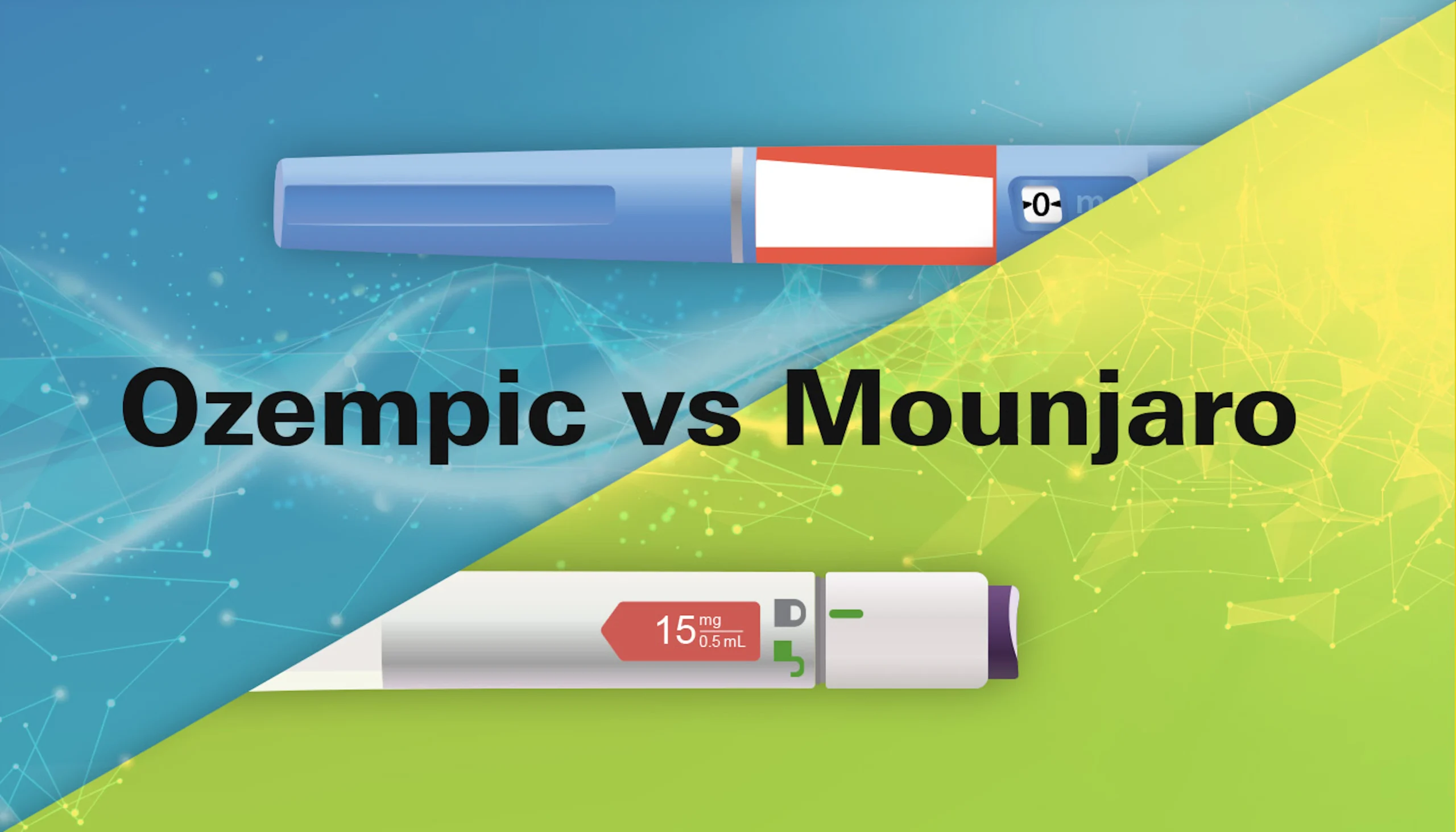
Being honest about where Ozempic leads is important. Knowing the full picture helps patients and doctors make the right call for each individual.
Cardiovascular Protection: Ozempic has proven, FDA-approved cardiovascular benefits. The SELECT trial demonstrated a 20% reduction in heart attack and stroke risk in patients with existing cardiovascular disease taking semaglutide. Mounjaro does not yet have this approval. For patients with pre-existing heart disease, Ozempic may be the better choice until Mounjaro’s cardiovascular outcomes studies are completed.
Kidney Protection: Ozempic received FDA approval to reduce the risk of worsening kidney disease in adults with type 2 diabetes and chronic kidney disease. Mounjaro has no such approval as of 2026. Patients with chronic kidney disease should discuss this with their doctor.
Longer Track Record: Ozempic has been on the market since 2017. Mounjaro launched in 2022. Ozempic has more long-term real-world safety data accumulated over more years of patient use.
Wider Availability: In many countries, Ozempic is more widely available and covered by insurance or government health programs. In Australia, for example, Ozempic is on the Pharmaceutical Benefits Scheme at $8–$35 per month, while Mounjaro costs $345–$645 per month out of pocket.
Side Effects Comparison
Both drugs share a similar side effect profile. Most side effects are gastrointestinal in nature and tend to improve after the first few months as the body adjusts.
| Side Effect | Mounjaro | Ozempic |
|---|---|---|
| Nausea | Common, especially at higher doses | Common |
| Vomiting | More common at 15 mg | Less frequent |
| Diarrhea | Common | Common |
| Constipation | Possible | Possible |
| Decreased Appetite | Pronounced | Moderate |
| Injection Site Reactions | Mild | Mild |
| Pancreatitis (rare) | Risk exists | Risk exists |
| Thyroid tumor risk | Black box warning | Black box warning |
The SURPASS-2 trial confirmed that the highest dose of tirzepatide (15 mg) had a higher risk of nausea, vomiting, and diarrhea compared to semaglutide. However, rates of serious adverse events were not significantly different between the two drugs.
Most patients report that GI side effects diminish after 4–8 weeks. Starting at the lowest dose and titrating slowly helps minimize discomfort with both medications.
Cost Comparison in 2026
Cost is a major real-world factor in the Mounjaro vs Ozempic decision.
| Scenario | Mounjaro | Ozempic |
|---|---|---|
| Without insurance (US) | ~$800–$1,000/month | ~$800–$1,000/month |
| With insurance (type 2 diabetes) | Varies by plan | Varies by plan |
| Manufacturer savings card | Available (Eli Lilly) | Available (Novo Nordisk) |
| Generic available (2026) | No | No |
Neither drug has a generic version available in the United States as of 2026. Both manufacturers offer savings programs that can significantly reduce out-of-pocket costs for eligible patients. Discussing coverage options with your insurance provider or pharmacist is an important step before starting either medication.
Who Should Choose Mounjaro?
Mounjaro tends to be the stronger clinical choice for patients who meet certain profiles.
You may be a better candidate for Mounjaro if you have type 2 diabetes with poorly controlled blood sugar despite being on other GLP-1 medications, if your primary concern is maximizing weight loss and you do not have established cardiovascular disease, if you have previously tried Ozempic and did not achieve adequate results, or if your doctor determines your metabolic profile would benefit from dual-hormone receptor activation.
Who Should Choose Ozempic?
Ozempic remains the appropriate choice for specific patient groups.
You may be a better candidate for Ozempic if you have established cardiovascular disease and need proven heart-protective benefits, if you have chronic kidney disease and require kidney protection, if you are in a country where Ozempic is covered by insurance or a national health program but Mounjaro is not, or if you are newly starting a GLP-1 medication and your doctor prefers to begin with the drug that has the longest safety track record.
What Happens When You Stop Either Drug?
This is a concern for many patients considering long-term use of either medication.
Early clinical trials suggested that more than half of lost weight could return within a year of stopping either drug. However, a 2026 Cleveland Clinic real-world study of nearly 8,000 patients showed a more nuanced picture. Many patients who stopped maintained their weight through a combination of restarting treatment, switching medications, or sustaining lifestyle changes made during treatment.
The key takeaway is that both Mounjaro and Ozempic are long-term management tools — not one-time cures. Appetite regulation and blood sugar benefits stop when the drug is discontinued, which is why lifestyle changes made during treatment are so important.
Can You Switch From Ozempic to Mounjaro?
Yes, switching is possible and relatively common as patients seek better results. However, switching must be done under a doctor’s supervision.
The two drugs cannot be taken simultaneously. When switching from Ozempic to Mounjaro, patients typically restart at Mounjaro’s lowest dose of 2.5 mg per week and titrate upward. Patients who switch often see accelerated weight loss results within the first 3–6 months compared to continuing on Ozempic.
Your doctor will determine the appropriate timing and starting dose based on your current dose of Ozempic, your blood sugar levels, and your treatment goals.
Mounjaro vs Ozempic: Quick Comparison Summary
| Category | Winner |
|---|---|
| Blood sugar (A1C) reduction | Mounjaro |
| Total weight loss | Mounjaro |
| Appetite suppression strength | Mounjaro |
| Cardiovascular protection | Ozempic |
| Kidney protection | Ozempic |
| Years on the market | Ozempic |
| Real-world availability | Ozempic (wider) |
| Side effect profile | Similar (Mounjaro slightly more GI at max dose) |
| Cost (US, no insurance) | Similar |
The Verdict: Is Mounjaro Really Better?
For most patients whose primary goal is blood sugar control and weight loss — without pre-existing heart or kidney disease — the clinical evidence in 2026 clearly favors Mounjaro. Its dual GIP/GLP-1 mechanism consistently produces greater results across every major head-to-head trial conducted to date.
Ozempic is not a weak drug. It remains a powerful, proven medication with unique cardiovascular and kidney benefits that Mounjaro does not currently offer. For certain patients, it is still the better clinical choice.
The real answer to “why is Mounjaro better than Ozempic” is: it is more potent for the specific goals of blood sugar reduction and weight loss, because it activates two complementary hormonal pathways instead of one. Whether that potency is the right fit for your health situation is a decision to make with your doctor.
Frequently Asked Questions (FAQs)
Why is Mounjaro considered better than Ozempic for weight loss?
Mounjaro activates both GLP-1 and GIP receptors, while Ozempic only targets GLP-1. This dual action suppresses appetite more powerfully, leading to roughly 20–22% body weight loss versus 14–15% with Ozempic.
Is Mounjaro stronger than Ozempic?
Yes. Clinical trials consistently show Mounjaro produces greater A1C reductions and more total weight loss at equivalent treatment durations compared to Ozempic.
Does Mounjaro work faster than Ozempic?
Many patients report noticing greater appetite suppression and faster early weight loss with Mounjaro. However, both drugs take several weeks to reach full therapeutic effect.
Can I switch from Ozempic to Mounjaro?
Yes, under a doctor’s supervision. You restart at Mounjaro’s lowest dose (2.5 mg/week) and titrate up. The two drugs cannot be taken at the same time.
Is Ozempic safer than Mounjaro for the heart?
Ozempic has FDA-approved cardiovascular benefits proven in the SELECT trial. Mounjaro lacks this approval as of 2026. For patients with existing heart disease, Ozempic may be the safer choice.
What are the side effects of Mounjaro compared to Ozempic?
Both cause nausea, vomiting, diarrhea, and constipation. Mounjaro at the 15 mg dose has a somewhat higher rate of nausea and vomiting. Serious adverse event rates are similar for both drugs.
How much weight can you lose on Mounjaro vs Ozempic?
Mounjaro users lose approximately 20–22% of body weight in clinical trials versus 14–15% with Ozempic. In real-world data, the gap is about 6.9% more body weight lost with Mounjaro at one year.
Is Mounjaro more expensive than Ozempic?
Both cost approximately $800–$1,000 per month in the US without insurance. With insurance coverage for type 2 diabetes and manufacturer savings programs, actual costs vary and can be reduced significantly.
Who should not switch to Mounjaro from Ozempic?
Patients with established cardiovascular disease or chronic kidney disease may benefit more from staying on Ozempic due to its proven heart and kidney protection approvals that Mounjaro does not yet have.
Will Mounjaro get cardiovascular approval like Ozempic?
Studies are ongoing as of 2026. Eli Lilly is conducting cardiovascular outcomes trials for tirzepatide. Until those results are published and reviewed, Mounjaro does not carry the same heart protection label as Ozempic.
Conclusion
Why is Mounjaro better than Ozempic comes down to one core scientific advantage: dual-hormone activation.
By targeting both GLP-1 and GIP receptors, Mounjaro consistently delivers greater blood sugar reduction and significantly more weight loss across every major clinical trial conducted to date.
Real-world data on tens of thousands of patients confirms what the trials showed in controlled settings. For patients whose primary goals are losing weight and controlling blood sugar without pre-existing cardiovascular disease, Mounjaro is the stronger clinical option in 2026.
However, Ozempic’s proven heart and kidney benefits keep it relevant and essential for specific patient populations.
The best medication is always the one chosen with your doctor based on your complete health picture, your goals, your access, and your long-term treatment plan.
