

Why are they called wisdom teeth? This question has puzzled millions of people who have sat in a dentist’s chair, jaw throbbing, wondering why these late-arriving molars earned such a thoughtful name.
Wisdom teeth, also known as third molars, are the last set of permanent teeth to emerge in the human mouth. They typically appear between the ages of 17 and 25.
The name carries centuries of history, cultural meaning, and scientific reasoning behind it.
What Are Wisdom Teeth?
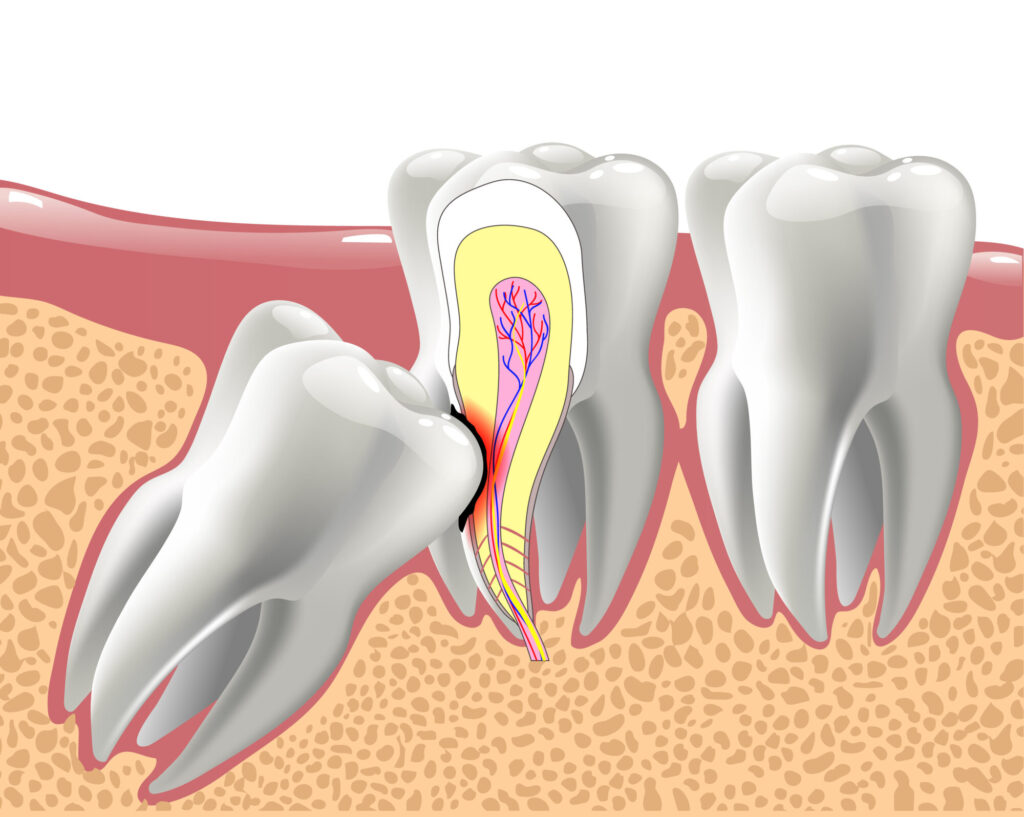
Wisdom teeth are the third and final set of molars that grow at the very back of the mouth. Most adults develop up to four of them — one in each corner of the jaw.
They are the last teeth to erupt, long after all other adult teeth have already settled in. This delayed arrival is the core reason behind their unique name.
Unlike your first and second molars that came in during childhood, wisdom teeth show up when you are already a teenager or young adult. That timing is everything.
Why Are They Called Wisdom Teeth? The Real Origin
The name “wisdom teeth” comes directly from the age at which they appear. They erupt during what was historically called “the age of wisdom” — the late teenage years and early twenties.
The idea is simple: by the time these teeth grow in, a person is supposed to be older, more mature, and wiser than when their childhood teeth came through.
Linguists have traced the name back through multiple languages and centuries, all pointing to the same core idea — these teeth arrive when wisdom does.
The Ancient Greek Connection
The ancient Greeks were among the first to name these molars. The Greek term odontias sophias literally translates to “teeth of wisdom.”
Greek philosophers, including Aristotle, wrote about these teeth as early as the fourth century BC. In his book History of Animals, Aristotle noted that these final molars appear around the age of twenty in both men and women.
The association between the teeth and wisdom was already embedded in Greek culture long before modern dentistry existed.
The Latin Name: Dens Sapientiae
Latin scholars inherited the Greek concept and gave these teeth the name dens sapientiae, which directly means “wisdom teeth” in Latin.
This Latin term became the root from which many European languages drew their own versions of the name. The concept traveled across cultures and centuries with remarkable consistency.
The Latin name confirms that the association between these molars and the concept of wisdom is at least two thousand years old.
From “Teeth of Wisdom” to “Wisdom Teeth”
In the seventeenth century, the English language referred to these molars as “teeth of wisdom.” This phrasing was more literal and descriptive.
By the nineteenth century, the term had been shortened and flipped into the modern phrase “wisdom teeth.” This happened during the Industrial Revolution, a period when processed foods became common and impacted wisdom teeth became far more frequent.
The modern term stuck, and it has been used ever since in English-speaking countries around the world.
The Science Behind the Name
The name is not just poetic. Science actually backs up the connection between wisdom teeth and the maturation of the human mind.
Brain development research shows that the human brain continues to grow and change through adolescence, typically reaching full maturity around the age of 25. This is the same age range when wisdom teeth finish erupting.
So these teeth do arrive at roughly the same time the brain completes its development — making the old name surprisingly accurate in a biological sense.
Brain Development and the Age of Wisdom
Leading researchers have established that the brain develops steadily from the teenage years through to age 25. The prefrontal cortex, responsible for decision-making and rational thought, is one of the last areas to fully develop.
This means that the age when wisdom teeth emerge is genuinely a period of increasing cognitive maturity. The connection between the name and biology is more than just a coincidence.
The ancient philosophers did not have brain scans, but they observed human behavior carefully enough to identify this transition to adulthood.
How Different Cultures Name Wisdom Teeth
The naming pattern for wisdom teeth is remarkably consistent across many different languages and cultures. Each translation points back to the same core concept of maturity and adulthood.
| Language | Term for Wisdom Teeth | Literal Translation |
|---|---|---|
| English | Wisdom teeth | Teeth of wisdom |
| Latin | Dens sapientiae | Teeth of wisdom |
| Greek | Odontias sophias | Teeth of wisdom |
| Spanish | Muelas del juicio | Molars of judgment |
| French | Dents de sagesse | Teeth of wisdom |
| German | Weisheitszähne | Wisdom teeth |
| Japanese | 親知らず (Oyashirazu) | Unknown to parents |
| Turkish | Yirmilik dişler | Twenty-year teeth |
| Korean | 사랑니 (Sarangni) | Love teeth |
The Japanese term Oyashirazu is particularly interesting. It means “unknown to parents” because these teeth emerge after a child has left home and the parents may never see them appear.
The Turkish version, “twenty-year teeth,” is purely practical — it references the age at which they typically emerge.
The Spanish muelas del juicio translates to “molars of judgment,” suggesting that their appearance signals a new level of maturity and adult decision-making.
The Evolutionary Purpose of Wisdom Teeth
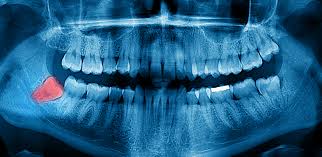
To fully understand why humans have wisdom teeth at all, it helps to look millions of years back in human history.
Early human ancestors had much larger jaws and a very different diet. They ate raw meat, tough plants, coarse roots, and unprocessed grains that required serious chewing power.
The third molars served a critical purpose. They provided extra grinding surface for breaking down these hard and fibrous foods.
Our Ancestors Had Bigger Jaws
Ancient hominids like Australopithecus afarensis, living roughly 3 to 4 million years ago, had significantly larger jaws and thicker enamel. Their mouths had plenty of room for three full sets of molars.
The first and second molars would wear down quickly from constant heavy chewing. By the time those molars were worn to a nub, the third molars erupted right on schedule to take over.
This timing was essential for survival. Without the wisdom teeth stepping in, ancient humans would have lost their ability to properly chew food in their early adulthood.
The Diet Changed, the Jaw Shrank
Around 500,000 years ago, early humans began cutting, grinding, and cooking their food before eating it. This pre-digestion process dramatically reduced the wear and tear on teeth.
As cooking and food processing became standard, the jaw gradually shrank over generations. The brain grew larger, requiring more skull space, which also contributed to the reduction of jaw size.
The result is the modern human jaw — smaller, sleeker, and often without enough room for all 32 permanent teeth to fit comfortably.
Why Wisdom Teeth Did Not Disappear
Despite the jaw shrinking, the genetic programming for growing wisdom teeth did not simply switch off. Evolution is a slow process, and tooth development is controlled by genes that have not yet fully adapted.
Genes such as PAX9 and MSX1 have been identified as contributors to whether wisdom teeth develop at all. Some populations show significantly lower rates of wisdom tooth development, suggesting that evolution is indeed moving in that direction — just very slowly.
Some scientists believe that humans are gradually evolving away from wisdom teeth. There are already populations where a significant portion of individuals never develop them at all.
When Do Wisdom Teeth Appear?
Wisdom teeth typically emerge between the ages of 17 and 25, though there is natural variation in this range. Some people see them earlier, some later, and some never at all.
The eruption process can take months or even years. The teeth do not simply pop up overnight — they slowly push through the gum tissue over an extended period.
Not everyone develops all four. Some people grow only one, two, or three. A small percentage of the population never develops any wisdom teeth whatsoever.
Why Wisdom Teeth Cause Problems Today
The modern human jaw is simply too small to comfortably accommodate a third set of molars in most people. This mismatch between tooth size and jaw size is the root of most wisdom tooth problems.
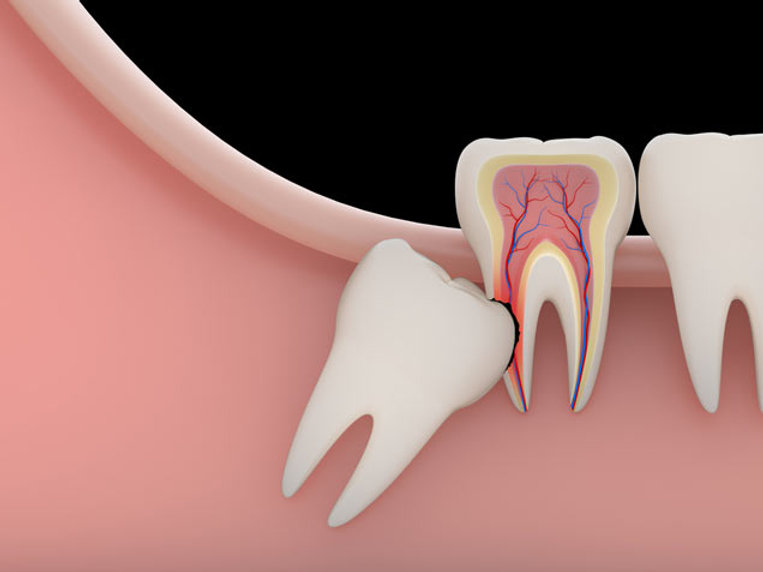
When there is not enough room for the tooth to erupt fully and in the correct position, it becomes impacted. An impacted wisdom tooth may grow sideways, at an angle, or remain completely buried beneath the gum.
| Type of Impaction | Description |
|---|---|
| Mesial | Tooth angles forward toward the front of the mouth |
| Distal | Tooth angles backward toward the back of the mouth |
| Vertical | Tooth faces the right direction but cannot fully erupt |
| Horizontal | Tooth lies completely on its side |
Each type of impaction carries its own set of risks and complications. Some can damage neighboring teeth, while others create pockets where bacteria thrive.
Common Problems Caused by Wisdom Teeth
Impacted or partially erupted wisdom teeth create a long list of potential dental issues.
They can press against the second molar, causing pain, shifting, or damage to that tooth. The tight space is also difficult to clean, which dramatically increases the risk of cavities and gum disease.
Partially erupted teeth create a flap of gum tissue called an operculum. Food and bacteria collect under this flap, leading to a painful infection called pericoronitis.
The Oldest Known Impacted Wisdom Tooth
The history of wisdom tooth problems is very old. The oldest reported case of an impacted wisdom tooth dates back to approximately 13,000 BC, found in what is now Western Europe.
This tells us that even ancient humans occasionally ran out of jaw space. However, impaction was relatively rare before the Industrial Revolution.
When the Industrial Revolution introduced widespread processed and soft foods in the late 19th century, impacted wisdom teeth became roughly ten times more common. The shift in diet accelerated jaw shrinkage across entire populations within just a few generations.
Do Some People Never Get Wisdom Teeth?
Yes — a meaningful portion of the population never develops wisdom teeth at all. This condition is called hypodontia or third molar agenesis when it refers specifically to the absence of wisdom teeth.
Studies suggest that agenesis of wisdom teeth affects anywhere from 5% to 37% of people worldwide, with significant variation between ethnic and geographic populations.
Some populations of indigenous peoples in certain parts of the world show very low rates of wisdom tooth development. This is believed to be the result of natural selection gradually removing a trait that has become more harmful than helpful.
Are Wisdom Teeth Still Useful?
In most modern humans, wisdom teeth serve no practical purpose. The human diet has softened to the point where a third set of grinding molars is completely unnecessary.
However, in rare cases where wisdom teeth erupt fully, in the correct position, and with enough space, they can function as normal molars. They can chew food and do not cause any problems.
The issue is that this scenario is uncommon. Most wisdom teeth either partially erupt, grow at an angle, or become fully impacted — none of which provides any benefit.
Wisdom Teeth Removal: What You Need to Know
Wisdom teeth removal is one of the most commonly performed oral surgical procedures in the world. In the United States alone, approximately 5 million people have their wisdom teeth removed each year.
Dentists and oral surgeons typically recommend removal when imaging shows impaction, unfavorable angles, risk to neighboring teeth, or signs of infection.
The procedure can be done under local anesthesia, sedation, or general anesthesia depending on the complexity of the case and the patient’s preference.
Recovery After Wisdom Teeth Removal
Recovery from wisdom teeth extraction typically takes about one to two weeks for the gum tissue to fully heal, though soreness and swelling begin to improve within the first few days.
The main risks during recovery include a painful condition called dry socket, where the blood clot that protects the wound dislodges before healing is complete.
Patients are advised to eat soft foods, avoid straws, not smoke, and keep the area clean to minimize complications and support faster healing.
Best Age to Remove Wisdom Teeth
Most dentists recommend addressing wisdom teeth in the late teens or early twenties if removal is going to be necessary. At this age, the roots are not yet fully formed and the bone is less dense, making the procedure less complex.
As a person gets older, the roots continue to form and the bone hardens. This makes extraction more technically difficult and increases recovery time.
There is no absolute age limit for wisdom tooth removal, but earlier intervention generally leads to smoother outcomes.
Surprising Facts About Wisdom Teeth in 2026
The field of dental science continues to evolve, and researchers are learning new things about third molars every year.
Wisdom teeth have actually been explored as a source of stem cells. The pulp tissue inside wisdom teeth contains mesenchymal stem cells, which have potential applications in regenerative medicine and research.
Some dental banks now offer services to preserve extracted wisdom teeth, storing the stem cells for potential future medical use.
Advances in 3D dental imaging allow dentists to see the full position and root formation of wisdom teeth with great precision long before any symptoms develop. This has made early intervention and prevention much more effective.
Wisdom Teeth in Different Cultures: Historical Beliefs
Different civilizations throughout history attached their own meaning to the emergence of wisdom teeth, beyond just the name.
In traditional Chinese medicine, the emergence of wisdom teeth was seen as a significant transition point in life, marking the shift from youth to adulthood and greater personal responsibility.
In various Native American traditions, the appearance of wisdom teeth was regarded as a symbol of personal growth and spiritual development — a rite of passage that signified readiness to take on adult roles.
These cultural interpretations all share a common thread: wisdom teeth arriving equals a person being ready for the next chapter of life. The symbolism is strikingly consistent across very different civilizations.
The Connection to Wisdom: Are Wiser People Better at Growing Wisdom Teeth?
There is absolutely no scientific connection between a person’s intelligence or wisdom and how their wisdom teeth develop. The name is purely about timing, not talent.
Whether your wisdom teeth erupt perfectly or become painfully impacted has nothing to do with how smart or wise you are. It is entirely about the shape and size of your jaw relative to your teeth.
So if you needed all four removed, rest assured — it says nothing about your wisdom. Even Aristotle, one of the greatest minds in human history, would have faced the same jaw-size lottery.
Frequently Asked Questions (FAQs)
Why are they called wisdom teeth?
They are called wisdom teeth because they emerge in the late teens and early twenties, historically known as the “age of wisdom” — when a person is considered more mature than when their other adult teeth grew in during childhood.
What is the scientific name for wisdom teeth?
The scientific name is third molars. In Latin, they are called dens sapientiae, which directly translates to “wisdom teeth.”
At what age do wisdom teeth come in?
Wisdom teeth typically emerge between ages 17 and 25, though the exact timing varies from person to person and some may erupt slightly earlier or later.
Why do wisdom teeth cause so many problems?
Modern human jaws are too small to comfortably fit a third set of molars. When there is not enough space, wisdom teeth become impacted, grow at wrong angles, and cause pain, infection, or damage to neighboring teeth.
Can you live without wisdom teeth?
Yes, completely. Wisdom teeth serve no essential function in the modern human diet. Millions of people live perfectly healthy lives after having them removed, or without ever developing them at all.
Do all people get wisdom teeth?
No. Between 5% and 37% of people worldwide never develop one or more wisdom teeth. Some people have all four, some have fewer, and a small percentage have none at all.
Is wisdom tooth removal always necessary?
Not always. If wisdom teeth erupt fully, in the correct position, and cause no problems, they do not need to be removed. Removal is recommended when there is impaction, infection, crowding, or risk to neighboring teeth.
What is the oldest known wisdom tooth problem?
The oldest reported case of an impacted wisdom tooth dates back to approximately 13,000 BC, found in Western Europe during the Magdalenian period.
What happens if you don’t remove impacted wisdom teeth?
Leaving impacted wisdom teeth in place can lead to infection, cyst formation, damage to adjacent teeth, gum disease, and increased tooth decay in hard-to-reach areas. A dentist should evaluate and monitor any impacted teeth.
Are humans evolving to not have wisdom teeth?
Evidence suggests yes. Certain populations already show significantly reduced rates of wisdom tooth development, and genes linked to third molar agenesis are becoming more common. Evolution is moving slowly, but the trend is toward fewer wisdom teeth over generations.
Conclusion
Why are they called wisdom teeth? The answer stretches back thousands of years, across ancient Greek philosophy, Latin medicine, and the cultural traditions of civilizations around the world.
These final molars earned their name simply because they arrive when a person is supposed to be growing wiser — in the late teenage years and early twenties, right as the human brain approaches full maturity.
The timing is not a coincidence. Science confirms that brain development and wisdom tooth eruption occur during the same life stage. While the name carries a sense of maturity and transition, the reality of wisdom teeth in the modern mouth is far less poetic.
Our jaws have shrunk, our diets have softened, and these once-vital grinding teeth now cause more problems than they solve.
Understanding their history, their biology, and what to expect from them puts you in a much better position to make informed decisions about your oral health in 2026 and beyond.
