

If you’ve ever had a rooftop HVAC unit, exhaust fan, or swamp cooler that gets tuned up every season, there’s a good chance the flashing around its curb is quietly degrading faster than anywhere else on the roof. Most building owners don’t connect those two things. They assume wear is wear, and that it happens evenly across the surface over time. But the truth is more specific than that, and understanding it can save you from an expensive call to schedule a roof repair st. george long before you’d expect one.
The Curb Flashing Is Only as Good as What Surrounds It
Curb flashing is the metal or rubberized membrane that seals the gap between a rooftop equipment base and the surrounding roofing material. It’s designed to redirect water away from that joint, which is one of the most vulnerable spots on any flat or low-slope roof. When it’s installed properly and left alone, it can last for years. The problem starts the moment that the “left alone” part disappears.
Foot Traffic Is the Hidden Culprit
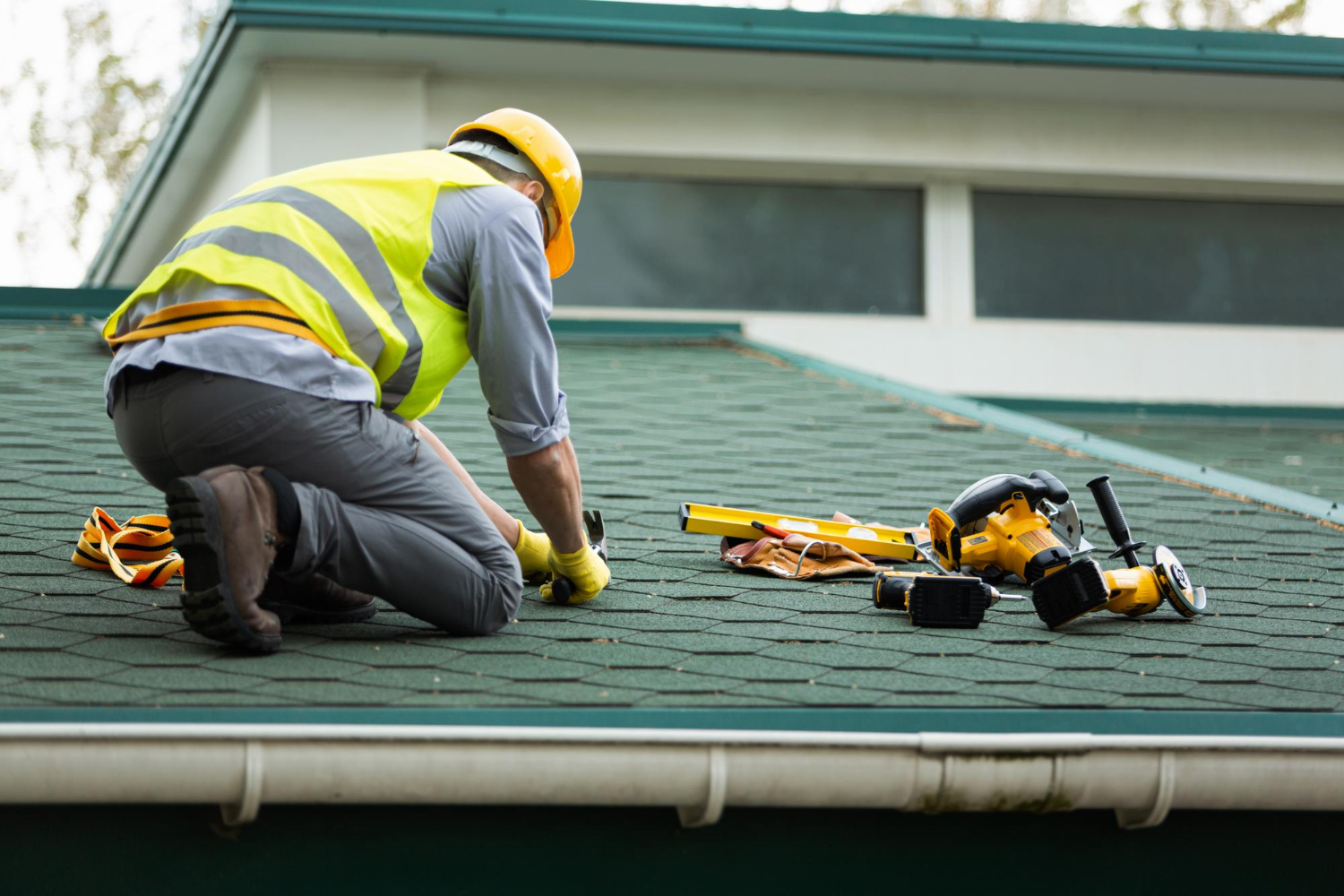
Every time a technician climbs onto the roof to service a unit, they walk across the roof, step near the curb, and often brace themselves against the equipment while working. That repeated physical pressure, especially at the corners of the curb, compresses and shifts the flashing over time. Sealant cracks. Membrane edges lift. Metal flanges get nudged out of position. None of these things happens dramatically. They happen incrementally, which is exactly why they go unnoticed until water shows up inside.
Seasonal Temperature Swings Make It Worse
Southern Utah’s climate adds another layer of stress. The region swings between intense summer heat and cold winter nights, and roofing materials expand and contract with those changes. A flashing joint that was perfectly sealed in October may have microscopic gaps by February. When you layer foot traffic on top of thermal movement, the degradation compounds. Technicians are often servicing equipment at the exact times of year when the flashing is already under the most physical stress.
Tool Damage Nobody Talks About
It’s not just feet. Service technicians frequently set tools, replacement parts, and equipment panels directly on the roof surface near the curb. A heavy compressor panel dropped at the wrong angle can dent a metal flashing flange or crack aged sealant on contact. These aren’t acts of negligence. They’re the practical realities of working in a tight space. But the roof absorbs the consequences regardless of intent.
What Early Failure Actually Looks Like
By the time water is dripping through a ceiling, the flashing has usually been failing for a while. Earlier signs include bubbling or soft spots in the membrane near the curb base, rust staining on metal flashing that suggests water is pooling beneath it, and sealant that has pulled away from the edge of the curb even slightly. If a unit gets serviced two or three times per year, it’s worth making a quick visual check of the surrounding flashing part of a routine that happens just as often.
The constant movement around roof curbs during regular system checkups creates a unique set of challenges for standard flashing materials. When technicians repeatedly access rooftop units, the physical pressure and accidental impacts can cause the metal to pull away or the sealant to crack prematurely. Should you begin to notice minor staining or signs of rust around these critical support structures, it is often best to get in touch with an experienced specialist to evaluate the seal. Addressing these small mechanical shifts early prevents water from seeping into the insulation or the building interior. Ultimately, preserving the integrity of curb flashing requires a balance between necessary equipment access and rigorous protection of the roof’s primary transition details.
What You Can Do About It
The fix is less complicated than the problem. The main thing is making sure flashing inspections are tied to service schedules rather than treated as separate events. If the HVAC company is coming out in spring and fall, someone should be inspecting the curb flashing around the same time. Repairs at that stage are minor. Waiting until there’s active water intrusion turns a small flashing repair into a larger roof repair st. george building owners would rather avoid altogether.
Conclusion
Curb flashing doesn’t fail because it’s poorly made. It fails because the area around frequently serviced equipment is the most physically disturbed zone on the roof. Foot traffic, tool contact, seasonal movement, and neglected inspections all contribute to shortening its lifespan. The good news is that staying ahead of it is straightforward once you understand the pattern. Pair your equipment service schedule with regular flashing checks, and that vulnerable joint around your rooftop units will no longer be a liability.
