

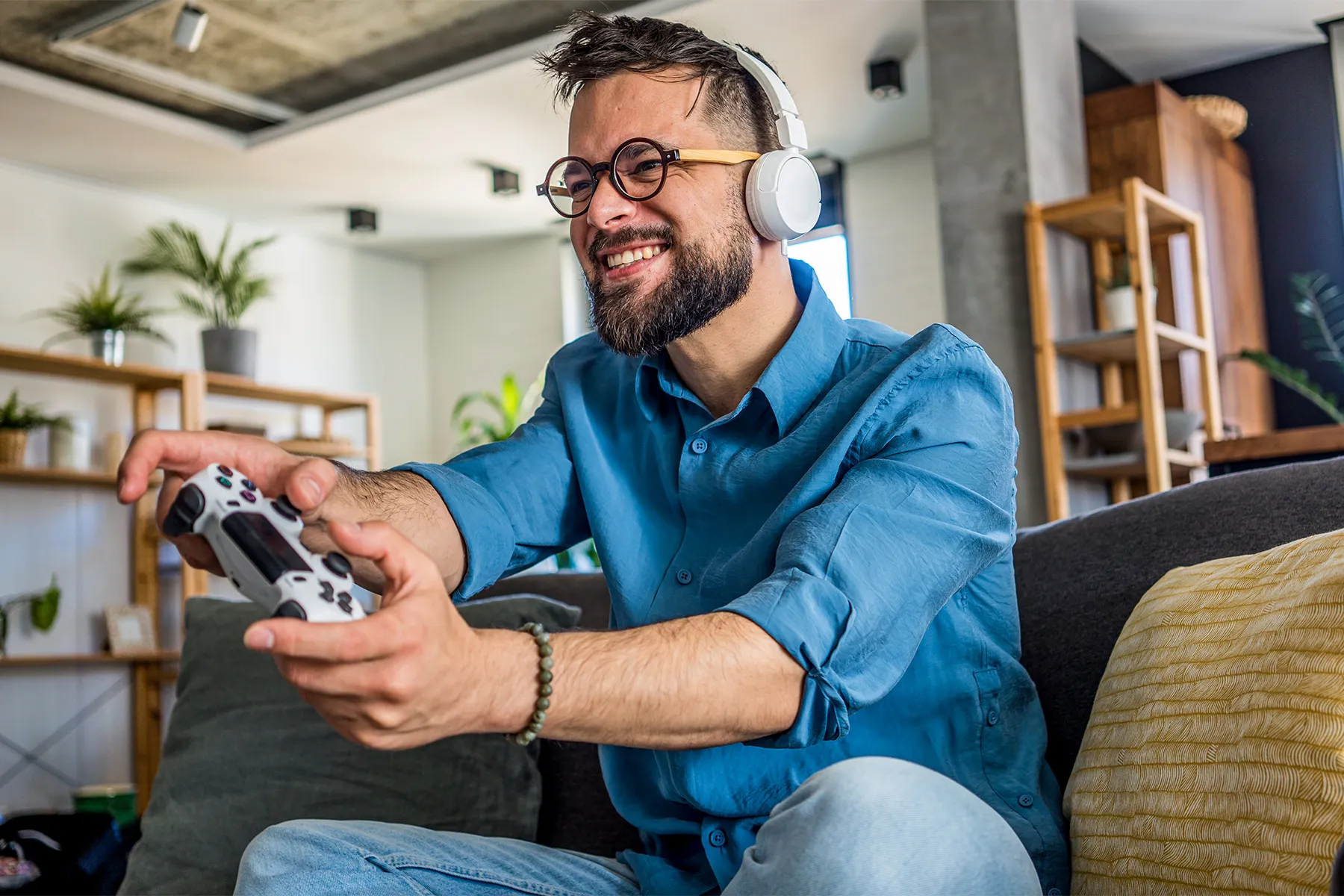
Online gaming has transformed from a simple pastime into a global phenomenon. Millions of players across the world log in daily to connect, compete, and escape reality. While gaming offers entertainment and community, it also carries a darker side that often goes unnoticed. The line between fun and addiction is thinner than many realize. Understanding this balance is key to maintaining a healthy relationship with gaming.
The Rise of Online Gaming Culture
The digital era has made online HengOngBet gaming accessible to everyone. From smartphones to powerful PCs, people can now play anytime, anywhere. Games like Fortnite, Call of Duty, and League of Legends have become social spaces where friendships form and teams thrive. The thrill of competition and achievement keeps players coming back. However, this same excitement can easily become a trap for endless play sessions that consume time, focus, and mental energy.
The Psychology Behind Gaming Addiction
Gaming addiction is not just about playing too much; it’s about the emotional grip it creates. Developers design games with reward systems that trigger dopamine, the brain’s pleasure chemical. Every victory, new level, or rare item release stimulates the brain and reinforces play. Over time, this can develop into dependency. Players begin to crave the virtual world more than real-life experiences. The constant need to achieve in-game goals replaces motivation for everyday responsibilities.
The Impact on Mental and Physical Health
The effects of gaming addiction reach far beyond the screen. Mentally, excessive gaming can lead to anxiety, depression, and social isolation. Players may lose interest in relationships, studies, or work as gaming becomes their main focus. Physically, sitting for hours without breaks causes strain on the eyes, back, and neck. Sleep deprivation is another serious issue, as many gamers play late into the night to keep up with global friends or events. Over time, this imbalance harms both body and mind.
The Social Consequences of Excessive Gaming
While online gaming connects players worldwide, it can also isolate them. Many addicted gamers withdraw from family and social activities. The digital world becomes their comfort zone. Friendships outside the game fade, and meaningful conversations are replaced with screen interactions. Online toxicity also adds to the problem. Constant exposure to negative behavior, bullying, or competition can increase stress and emotional exhaustion. What starts as social connection can turn into loneliness disguised as interaction.
The Role of Parents and Guardians
For young players, guidance from parents or guardians is crucial. Many parents are unaware of how easily children can become addicted to games. Open communication helps children understand boundaries. Setting specific gaming hours, promoting offline hobbies, and using parental control tools can prevent addiction from developing. Instead of banning games completely, it’s more effective to teach moderation. Understanding the child’s gaming interests can build trust and ensure balance between play and real life.
How to Recognize When Gaming Becomes a Problem
Recognizing addiction is the first step toward recovery. Warning signs include neglecting studies or work, losing track of time while gaming, irritability when not playing, and avoiding real-world responsibilities. A person may start lying about how much they play or prefer gaming over sleep and meals. When gaming stops being fun and starts feeling like a compulsion, it’s time to take action. Awareness and honest reflection can prevent deeper problems from developing.
Finding Balance in the Virtual World
Online gaming doesn’t have to be harmful. Balance is possible with conscious effort. Setting daily limits, taking regular breaks, and engaging in physical activity can help maintain control. Gamers should schedule playtime after completing important tasks, not before. Joining gaming communities that promote healthy habits can also make a difference. Some games even include features to remind players to rest or log off. The goal is not to quit gaming but to play responsibly.
The Positive Side of Online Gaming
It’s important to remember that gaming is not inherently bad. When enjoyed in moderation, it can improve cognitive skills, teamwork, and creativity. Online games can bring people together and even provide income opportunities for streamers, developers, and esports players. The problem arises only when gaming takes priority over health, relationships, and goals. Understanding its benefits while managing its risks allows players to enjoy the best of both worlds.
Final Thought
The dark side of online gaming is real but manageable. Addiction grows silently, disguised as passion and enjoyment. Recognizing the signs early and practicing balance can turn gaming into a healthy source of fun instead of a harmful habit. It’s not about avoiding games but learning when to stop. When playtime remains under control, online gaming can continue to be a space for creativity, friendship, and relaxation—without the shadows of addiction.
