

Why does my butthole itch is a question millions of people silently ask but rarely bring up with a doctor.
Known medically as pruritus ani, anal itching affects between 1% and 5% of the population at any given time and is four times more common in men than women.
It can strike at any age, though it is most frequently reported in people between 40 and 70 years old. The good news is that most cases have a clear, treatable cause.
What Is Pruritus Ani?

Pruritus ani is the medical term for anal itching. In Latin, the phrase literally means “itchy anus.”
It is not a disease on its own. Rather, it is a symptom — a signal that something is irritating the sensitive skin around your anus and perianal area.
There are two types. Primary pruritus ani has no identifiable underlying cause and often resolves on its own. Secondary pruritus ani is caused by a specific medical condition, infection, or external irritant and requires targeted treatment.
How Common Is an Itchy Butthole?
Anal itching is far more common than most people realize. Studies suggest it affects roughly 1% to 5% of people at any given time.
Men are approximately four times more likely to experience it than women. It can affect any age group but peaks between ages 40 and 70.
Many people never tell their doctor out of embarrassment, which means cases are significantly underreported. You are definitely not alone if you are dealing with this.
Top Causes of Anal Itching
Understanding what is causing your butthole to itch is the first step toward fixing it. There are many possible triggers, ranging from simple hygiene habits to medical conditions.
1. Poor Anal Hygiene After Bowel Movements
Inadequate cleaning after using the toilet is one of the most common causes of anal itching. Residual stool particles left on the skin around the anus cause direct irritation and, when combined with sweat, can promote bacterial or fungal overgrowth.
A small amount of feces in the folds of skin around your anus is enough to trigger persistent itching. This is especially problematic for people who poop frequently or have loose stools.
2. Over-Cleaning and Aggressive Wiping
Ironically, cleaning too much or too hard can be just as problematic as not cleaning enough. Vigorous wiping with rough toilet paper, alcohol-based wipes, or heavily scented products strips the skin of its natural oils and causes microabrasions.
These tiny tears in the skin dry out, itch, and create the itch-scratch cycle — where scratching causes further skin damage, which then causes more itching. Avoiding alcohol-based wipes is strongly recommended by colorectal surgeons.
3. Sweat and Moisture Buildup (Swamp Ass)
Heat and moisture trapped around the anus create an ideal breeding environment for bacteria and yeast. This is especially common in people who sit for long periods, wear tight underwear, or are physically active.
Moisture from sweat can soften the skin, increase friction, and introduce bacterial irritation. Wearing breathable, moisture-wicking cotton underwear and applying body powder can help significantly.
4. Hemorrhoids
Hemorrhoids are swollen, enlarged veins inside or outside the anus. External hemorrhoids can make it very difficult to thoroughly wipe away stool after a bowel movement, leaving residual fecal matter on the skin.
Internal hemorrhoids can also cause mucus leakage, which keeps the perianal skin constantly moist and irritated. Hemorrhoid-related itching tends to worsen after bowel movements and during prolonged sitting.
| Hemorrhoid Type | Location | Common Symptom |
|---|---|---|
| Internal | Inside rectum | Mucus leakage, bleeding |
| External | Outside anus | Itching, pain, difficulty wiping |
| Thrombosed | Clotted vein | Severe pain and swelling |
5. Dietary Triggers
Certain foods and drinks pass compounds through your digestive tract that irritate the sensitive skin around the anus on exit. This is a surprisingly overlooked cause of anal itching.
Common dietary culprits include coffee, tea, cola, alcohol, spicy foods (especially capsaicin), citrus fruits, tomatoes, chocolate, and dairy products. Cutting these out one at a time while keeping a food-symptom journal can help identify your personal triggers.
| Food/Drink | Why It Irritates |
|---|---|
| Coffee & tea | Acidic, relaxes anal sphincter |
| Spicy foods (capsaicin) | Passes through undigested, burns skin |
| Citrus fruits & tomatoes | Acidic residue on perianal skin |
| Alcohol | Increases loose stools and moisture |
| Chocolate | Contains compounds that relax sphincter |
| Dairy products | Can cause loose stools in sensitive individuals |
6. Contact Dermatitis (Allergic Reaction)
Your skin around the anus is extremely sensitive. Contact dermatitis occurs when the perianal skin reacts to an allergen or irritant in products you use.
Common offenders include scented soaps, bubble baths, scented toilet paper, laundry detergents, fabric softeners, feminine hygiene sprays, body lotions, hemorrhoid creams, and even certain topical medications. Switching to unscented, dye-free, gentle products is usually enough to resolve this type of itching.
7. Skin Conditions: Psoriasis, Eczema, and Lichen Sclerosus
Several chronic skin conditions can affect the perianal area specifically. Psoriasis causes red, scaly patches on the skin, including around the anus.
Eczema (atopic dermatitis) causes intense dryness, redness, and itching. Lichen sclerosus causes white, patchy skin that becomes thin and fragile. These conditions typically affect other areas of the body simultaneously and require prescription treatment from a dermatologist.
8. Pinworms (Threadworms)
Pinworms are small, thin parasitic roundworms that live in the intestines and rectum. The female pinworm crawls out through the anus at night to deposit thousands of eggs on the surrounding skin, triggering intense itching that is characteristically worst at night.
Pinworm infections are extremely common — estimated to affect more than one billion people worldwide — and are most frequently seen in school-aged children. However, adults who live with or care for infected children are also at significant risk.
How to detect pinworms: Use the tape test. Press a piece of clear tape to the skin around the anus right after waking, before any bathing or wiping. Place the tape in a sealed bag and take it to your doctor for microscopic examination.
Treatment: Antiparasitic medications such as mebendazole or albendazole effectively cure the infection in 90% to 100% of cases. The entire household should be treated at the same time, and all bedding, underwear, and pajamas should be washed in hot water. A second dose is given two weeks after the first to eliminate any newly hatched worms.
9. Fungal Infections (Jock Itch / Candida / Yeast)
Fungal infections are a very common cause of anal itching, especially in people who are overweight, diabetic, take antibiotics frequently, or sweat heavily. The most common culprits are Candida albicans (yeast) and tinea cruris (jock itch).
Candida thrives in warm, moist environments. Antibiotic use disrupts the normal bacterial balance around the anus and can allow yeast to overgrow rapidly. Jock itch can spread from the groin area to affect the anus as well.
Over-the-counter antifungal creams are commonly used, but it is important to get a proper diagnosis first, as the FDA does not approve all OTC antifungal products for rectal use.
10. Anal Fissures
An anal fissure is a small tear in the lining of the anus, usually caused by passing hard or large stools, chronic diarrhea, or constipation. These tiny tears cause burning pain, itching, and sometimes bleeding after bowel movements.
Fissures can become chronic if not treated. High-fiber diets, stool softeners, topical anesthetics, and sitz baths are common first-line treatments. Severe or chronic fissures may require prescription creams (like nitroglycerin or calcium channel blockers) or surgical intervention.
11. Sexually Transmitted Infections (STIs)
Several sexually transmitted infections can cause significant anal itching, particularly in people who engage in anal sexual activity. These include human papillomavirus (HPV), genital herpes, gonorrhea, syphilis, and pubic lice.
HPV causes anal warts (condylomata acuminata) — small bumps or growths in and around the anus that can cause mild itching, burning, and bleeding. Gonorrhea and herpes can both cause intense itching along with discharge or sores. Any itching accompanied by visible warts, blisters, unusual discharge, or bleeding warrants an urgent medical evaluation.
12. Gastrointestinal Conditions
Certain gastrointestinal disorders contribute to chronic anal itching by affecting stool consistency and frequency. Irritable bowel syndrome (IBS), Crohn’s disease, and ulcerative colitis all increase the risk of loose or frequent stools, which keep the perianal skin in prolonged contact with fecal matter and moisture.
Fecal incontinence — difficulty controlling bowel movements — creates constant moisture and bacterial exposure around the anus, making chronic itching nearly inevitable without careful skin care and management.
13. Antibiotics and Medications
Antibiotic use is a frequently overlooked trigger of anal itching. Antibiotics disrupt the normal gut microbiome, allowing Candida yeast to proliferate and cause a fungal infection around the anus.
Some antibiotics also cause diarrhea as a side effect, which directly irritates the perianal skin. Other medications that can trigger anal itching include colchicine, neomycin, corticosteroids, and some chemotherapy drugs.
14. Diabetes and Systemic Conditions
Diabetes increases the risk of fungal and bacterial infections throughout the body, including in the perianal region. High blood sugar creates an environment where yeast and bacteria thrive.
Other systemic conditions associated with anal itching include anemia, jaundice, thyroid disease, leukemia, and lymphoma. Liver failure can also cause widespread skin itching. These are uncommon causes but should be ruled out if the itching is persistent and unexplained.
15. Stress and Psychological Factors
Psychological stress and anxiety can trigger or significantly worsen pruritus ani. The exact mechanism is not fully understood, but stress affects the gut-brain axis, influences bowel habits, and can lower the itch threshold.
In turn, chronic anal itching itself causes anxiety, embarrassment, disrupted sleep, and depression — creating a difficult cycle. Stress management, including exercise, therapy, and adequate sleep, can form an important part of a complete treatment plan.
The Itch-Scratch Cycle: Why Scratching Makes It Worse
One of the most important things to understand about anal itching is that scratching — while providing momentary relief — makes the underlying condition significantly worse.
When you scratch, you create tiny abrasions (excoriations) on the delicate perianal skin. These micro-tears become irritated and dry out, triggering more itching. Repeated scratching thickens the skin (a process called lichenification), making the area chronically sensitive.
Scratching with fingernails can also introduce bacteria into the broken skin, leading to a secondary infection that compounds the problem further.
Symptoms That Come With Anal Itching
Beyond the itching itself, you may notice several accompanying symptoms depending on the cause.
| Symptom | Possible Associated Cause |
|---|---|
| Itching worst at night | Pinworms, contact dermatitis |
| Burning after bowel movement | Anal fissure, dietary irritants |
| Visible rash or redness | Contact dermatitis, eczema, psoriasis |
| Bleeding | Hemorrhoids, anal fissure |
| Mucus discharge | Internal hemorrhoids, infection |
| Visible warts or bumps | HPV, anal warts |
| Thick or leathery skin | Chronic scratching (lichenification) |
| Itching with fever or sores | STI (herpes, gonorrhea) |
| Pus or drainage | Anal abscess or fistula |
How to Get Relief from an Itchy Butthole: Home Remedies
Most cases of anal itching respond well to consistent home care. The key is breaking the itch-scratch cycle and removing whatever is irritating the skin.
Keep the Area Clean but Gentle
Wash the perianal area once daily with plain warm water or a mild, fragrance-free soap. Pat dry with a soft cloth — never rub. Do not use scented wipes, alcohol-based products, or rough toilet paper.
After bowel movements, use moistened, unscented toilet paper or fragrance-free wet wipes to clean gently. A small squeeze bottle of water is an effective and gentle alternative.
Keep the Area Dry
Moisture is a major driver of anal itching. After cleaning, pat the area thoroughly dry before getting dressed. A gentle hair dryer on a cool setting can help remove residual moisture from skin folds.
Applying a small amount of unscented talcum powder or cornstarch-free body powder to the perianal area can absorb sweat throughout the day. Cotton pads placed against the skin can also help manage moisture between washes.
Adjust Your Diet
Try eliminating the most common dietary irritants — coffee, alcohol, spicy foods, citrus, chocolate, and carbonated drinks — for a period of two to three weeks. Introduce them back one at a time to identify which trigger your symptoms.
Increasing dietary fiber (through foods or a supplement like psyllium husk) helps normalize stool consistency, reducing both constipation and loose stools that contribute to perianal irritation.
Wear Loose, Breathable Underwear

Tight underwear traps heat and moisture, creating the warm, damp environment that bacteria and yeast love. Switch to loose-fitting, 100% cotton underwear.
Avoid wearing synthetic fabrics that don’t breathe. Washing underwear with unscented, dye-free detergent removes another potential allergen from the equation.
Apply a Barrier Ointment
A thin layer of zinc oxide ointment, petroleum jelly (Vaseline), or calamine lotion applied to the perianal area creates a protective barrier between the skin and any irritants (stool, moisture, sweat).
These barrier ointments are gentle, widely available, and suitable for ongoing use. They are especially useful at bedtime, when itching often intensifies.
Use Cold Compresses
Applying a moist, room-temperature compress or cold, wet cotton balls to the perianal area provides short-term itch relief without causing the damage that scratching does.
Keep your fingernails short and, if nighttime scratching is a problem, wear cotton gloves to bed to prevent unconscious scratching that damages skin while you sleep.
Over-the-Counter Treatments for Anal Itching
Several OTC products provide effective short-term relief.
| Product | Active Ingredient | Use |
|---|---|---|
| Hydrocortisone 1% cream | Corticosteroid | Reduces inflammation and itching |
| Zinc oxide ointment | Zinc oxide | Barrier protection, soothing |
| Preparation H | Phenylephrine / witch hazel | Hemorrhoid and itch relief |
| Calamine lotion | Zinc carbonate | Soothing and drying |
| Antifungal cream | Clotrimazole / miconazole | Fungal infection |
| Antihistamines (oral) | Diphenhydramine | Reduces itching, especially at night |
Important note: Do not use OTC hydrocortisone cream for more than two weeks at a time without medical guidance. Prolonged steroid use thins the perianal skin and can actually worsen the condition long term.
When to See a Doctor
Most cases of anal itching resolve with basic home care within one to two weeks. However, you should see a doctor promptly if:
You have itching that does not improve after two weeks of home treatment. The area looks infected — red, swollen, warm, or producing pus. You notice bleeding from the rectum or anus. You have unexplained weight loss alongside the itching. You can see visible warts, blisters, or unusual lesions. You suspect pinworms in yourself or a child at home. The itching severely disrupts your sleep or daily life.
A doctor may perform a visual inspection of the perianal area, a digital rectal examination, or laboratory tests. In cases where no cause can be found, a referral to a dermatologist or colorectal surgeon may be appropriate.
Medical Treatments for Persistent Anal Itching
When home remedies are not enough, several medical options are available depending on the underlying cause.
Prescription corticosteroid creams are stronger than OTC hydrocortisone and are used for severe inflammation or skin conditions like psoriasis and eczema. They are prescribed for short courses only.
Prescription antifungal creams such as clotrimazole combined with 2% hydrocortisone are commonly used when a fungal infection is confirmed or suspected alongside inflammation.
Antiparasitic medications such as mebendazole or albendazole are prescribed for pinworm infections. Two doses two weeks apart are standard, with the whole household treated simultaneously.
Topical anesthetics such as 5% lidocaine (Xylocaine) ointment numb the skin temporarily and break the itch-scratch cycle, allowing skin to heal.
Rubber band ligation is an office procedure used to shrink enlarged internal hemorrhoids that are causing mucus leakage and perianal moisture.
STI treatment depends on the specific infection: antibiotics for gonorrhea, antivirals for herpes, and topical or surgical treatments for HPV-related warts.
Anal Itching Stages: What Your Skin Looks Like
Healthcare providers use a staging system to classify the severity of perianal skin changes from chronic itching.
| Stage | Description |
|---|---|
| Stage 0 | Skin appears normal |
| Stage 1 | Skin is red and inflamed |
| Stage 2 | Skin is thickened |
| Stage 3 | Skin is thickened with coarse ridges and ulcers |
Most people seek treatment at Stage 1 or 2. Reaching Stage 3 indicates chronic, long-standing irritation and requires medical management.
Anal Itching in Children vs Adults
Pinworms are by far the most common cause of anal itching in children, especially those aged 4 to 11. If a child is scratching their bottom at night, waking up with disturbed sleep, or complaining of perianal itching, a pinworm infection is the most likely culprit.
In adults, the causes are far more varied and include dietary irritants, hemorrhoids, hygiene habits, skin conditions, and infections. Middle-aged men are the highest-risk demographic for idiopathic (unexplained) pruritus ani.
How to Prevent Anal Itching from Coming Back
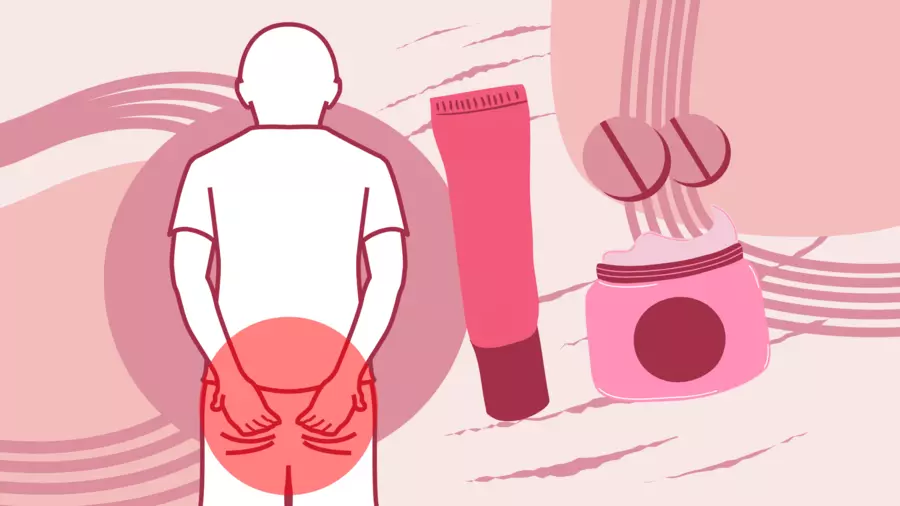
Prevention is largely about consistent habits.
After every bowel movement, clean gently and thoroughly. Pat dry completely before dressing. Wear breathable underwear and loose clothing.
Limit or avoid your known dietary triggers. Keep fingernails short. Wash hands thoroughly after using the bathroom — this is especially important for preventing pinworm reinfection.
If you use antibiotics, talk to your doctor about taking a probiotic alongside the course to support healthy gut flora and reduce the risk of yeast overgrowth. Managing underlying conditions like diabetes, hemorrhoids, and IBS will also significantly reduce your overall risk of recurrent anal itching.
Quick Reference: Causes and Treatments at a Glance
| Cause | Key Symptom | First-Line Treatment |
|---|---|---|
| Poor hygiene | Worse after BM | Better wiping, gentle washing |
| Over-cleaning | Dry, irritated skin | Reduce wiping, switch products |
| Hemorrhoids | Worse after BM, mucus | Zinc oxide, fiber, banding |
| Dietary irritants | Burning on exit | Eliminate trigger foods |
| Contact dermatitis | Rash, redness | Switch to fragrance-free products |
| Pinworms | Worst at night | Mebendazole, whole household treatment |
| Fungal infection | Persistent redness | Antifungal cream |
| Psoriasis / eczema | Patches on body too | Prescription steroid cream |
| STIs (HPV, herpes) | Warts, sores, discharge | Doctor evaluation, antivirals/antibiotics |
| Anal fissure | Pain and bleeding | Fiber, sitz bath, topical nitroglycerin |
| Stress | Worsens unpredictably | Stress management, sleep, therapy |
Frequently Asked Questions (FAQs)
Why does my butthole itch at night?
Nighttime anal itching is most commonly caused by pinworms, which lay their eggs around the anus after dark. It can also result from heat and moisture buildup during sleep and contact dermatitis from fabrics or laundry detergent.
Can what I eat cause my butthole to itch?
Yes. Spicy foods, coffee, alcohol, citrus fruits, chocolate, and carbonated drinks are well-documented dietary triggers that irritate the perianal skin on exit. Eliminating these for two to three weeks often produces noticeable improvement.
How do I stop my butthole from itching immediately?
Apply a cold, moist compress or a thin layer of zinc oxide ointment to the area for fast relief. An OTC 1% hydrocortisone cream can reduce inflammation quickly when used short term as directed.
What does an itchy butthole mean in terms of serious health conditions?
Most of the time, it signals a simple hygiene or dietary issue rather than anything serious. However, persistent itching alongside bleeding, discharge, visible warts, or unexplained weight loss warrants a doctor visit to rule out infections, STIs, or rare conditions like anal cancer.
Can hemorrhoids make your butthole itch?
Yes. External hemorrhoids make complete wiping difficult, leaving fecal residue on the skin. Internal hemorrhoids can leak mucus that keeps the perianal area constantly moist — both scenarios cause persistent itching.
How do I know if I have pinworms?
The classic signs are intense itching around the anus that is worst at night, disrupted sleep, and possibly seeing tiny white worms in the toilet or around the anus. The tape test — pressing clear tape to the skin around the anus first thing in the morning — can confirm pinworm eggs when examined under a microscope.
Can stress cause anal itching?
Yes. Psychological stress can trigger or worsen pruritus ani through its effect on the gut-brain axis and bowel habits. Managing stress is a legitimate and important part of treatment for unexplained or chronic anal itching.
Is anal itching a sign of an STI?
It can be. HPV (anal warts), genital herpes, gonorrhea, syphilis, and pubic lice can all cause anal itching. If your itching is accompanied by warts, blisters, sores, unusual discharge, or a history of unprotected anal sex, see a doctor for STI testing promptly.
Can I use antifungal cream on my butthole?
OTC antifungal creams like clotrimazole are sometimes used for perianal yeast infections, but the FDA only officially approves these products for other areas (athlete’s foot, jock itch, vaginal yeast). A proper diagnosis from a doctor is recommended before using antifungal products on the anus, as misdiagnosis can delay proper treatment.
When should I see a doctor for anal itching?
See a doctor if home treatment has not improved your symptoms after two weeks, if the area appears infected, if you have rectal bleeding, visible warts or sores, or if the itching severely disrupts your sleep or daily activities.
Conclusion
Why does my butthole itch is a completely valid medical question, and the answer is almost always identifiable and treatable.
Whether the cause is something as simple as a dietary trigger, aggressive wiping, or moisture buildup — or something more specific like hemorrhoids, a fungal infection, pinworms, or a skin condition — effective relief is available.
The most important first step is breaking the itch-scratch cycle and adopting gentle anal hygiene habits. From there, adjusting your diet, switching to fragrance-free products, and using barrier ointments or OTC creams will resolve the majority of cases within one to two weeks.
If symptoms persist, worsen, or come with bleeding, discharge, or visible lesions, a doctor visit is essential. Pruritus ani is common, nothing to be ashamed of, and very manageable with the right approach.
