

Why does it burn when I pee after sex is one of the most searched health questions online, and you are absolutely not alone in asking it.
That stinging, burning sensation when you urinate after intercourse can range from mildly annoying to genuinely alarming.
Sometimes it is just temporary irritation that clears up in a day. Other times, it can be a sign of a urinary tract infection, a sexually transmitted infection, or another underlying condition.
What Is Post-Coital Dysuria?

The medical term for painful or burning urination is dysuria. When it happens specifically after sex, it is called post-coital dysuria.
It is not a diagnosis on its own. It is a symptom that points to something else going on, whether that is physical irritation, infection, or an underlying condition.
Both people with vaginas and people with penises can experience it, though it is significantly more common in women due to their shorter urethra.
The Most Common Causes of Burning When You Pee After Sex
There are several reasons why it burns when you pee after sex. Some are completely harmless and go away on their own. Others need medical treatment.
| Cause | Who It Affects Most | Duration Without Treatment |
|---|---|---|
| Friction and irritation | Anyone | 24–48 hours |
| UTI (urinary tract infection) | Mostly women | Gets worse without antibiotics |
| Vaginal dryness | People with vaginas | Varies |
| STI (chlamydia, gonorrhea, herpes) | Anyone | Worsens without treatment |
| Yeast infection | Mostly women | 1–2 weeks without antifungal |
| Bacterial vaginosis (BV) | People with vaginas | Needs antibiotics |
| Product/lubricant irritation | Anyone | 24–48 hours |
| Urethritis | Anyone | Needs antibiotics |
| Prostatitis | People with prostates | Varies |
| Atrophic vaginitis | Postmenopausal women | Needs hormonal treatment |
Cause 1: Friction and Physical Irritation
This is the most common and least alarming reason. Rough, prolonged, or vigorous sex can irritate the delicate skin around the vulva, vagina, or urethra.
When urine passes over that irritated tissue, it creates a sharp burning or stinging sensation, similar to lemon juice on a small cut.
This type of burning usually lasts only one or two urinations after sex and then fades. If symptoms disappear within 24 hours, irritation was almost certainly the cause.
Cause 2: Vaginal Dryness
When there is not enough natural lubrication during sex, friction increases significantly. This can cause tiny micro-tears in the vaginal and urethral tissue that you may not notice during sex but feel intensely when you urinate afterward.
Vaginal dryness can happen for many reasons including low arousal, hormonal changes, breastfeeding, certain medications, or being in perimenopause or menopause.
Using a generous amount of water-based, fragrance-free lubricant during sex greatly reduces this risk.
Cause 3: Urinary Tract Infection (UTI)
A UTI is one of the most well-known reasons why it burns when you pee after sex. Sex can push bacteria toward the urethra, where it travels up into the bladder and causes infection.
This is sometimes called honeymoon cystitis because it is so closely linked to sexual activity.
Women are far more prone to post-sex UTIs than men because the female urethra is much shorter, making it easier for bacteria to reach the bladder quickly.
UTI Symptoms to Watch For
| Symptom | Common With UTI? |
|---|---|
| Burning when urinating | Yes |
| Frequent urge to urinate | Yes |
| Only small amounts of urine come out | Yes |
| Cloudy or foul-smelling urine | Yes |
| Blood in urine | Sometimes |
| Pelvic pressure or pain | Yes |
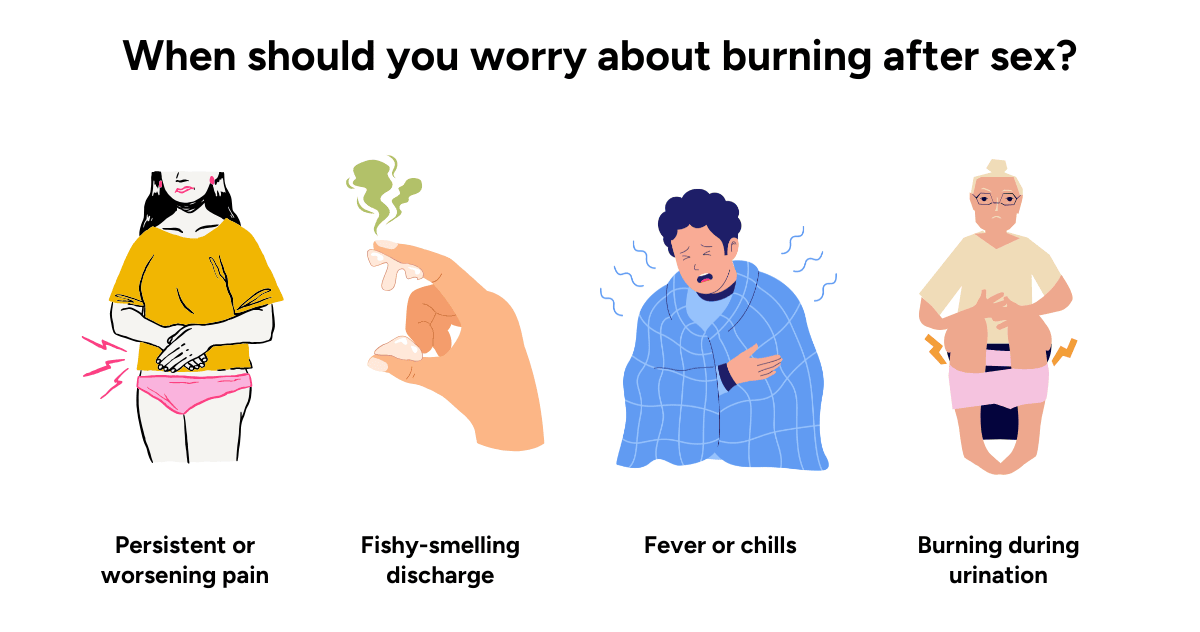
| Fever or chills | If infection reaches kidneys |
| Back or side pain | If kidney infection |
A UTI will not go away on its own. It requires antibiotic treatment from a doctor. Delaying treatment can allow the infection to move from the bladder up to the kidneys, which is a much more serious condition.
Cause 4: Sexually Transmitted Infections (STIs)
Several STIs can cause burning when you pee after sex. These infections cause inflammation and irritation in the urinary tract and genital tissues.
Many STIs have few or no obvious symptoms at first, which means a burning sensation after sex may be the first signal that something is wrong.
STIs That Commonly Cause Post-Sex Burning
Chlamydia
Chlamydia is caused by the bacterium Chlamydia trachomatis. It is one of the most common STIs worldwide and is often asymptomatic.
When symptoms do appear, they include burning when urinating, unusual discharge, and in women, pain during sex or pelvic pain. Chlamydia is curable with antibiotics.
Gonorrhea
Gonorrhea also causes burning urination and unusual discharge from the vagina or penis. Like chlamydia, it is a bacterial infection that responds to antibiotics.
Left untreated, gonorrhea can cause serious complications including infertility and pelvic inflammatory disease.
Trichomoniasis
Trichomoniasis is caused by a parasite called Trichomonas vaginalis. It causes burning when urinating or ejaculating, severe genital itching, frothy or unusual discharge, and discomfort during sex.
Both partners need to be treated, as trichomoniasis passes easily between sexual partners.
Genital Herpes
Genital herpes is caused by the herpes simplex virus (HSV-1 or HSV-2). It produces sores or blisters around the genitals, along with painful urination when urine contacts those sores.
There is no cure for herpes, but antiviral medications reduce outbreak frequency and severity significantly.
Cause 5: Yeast Infection
A yeast infection happens when there is an overgrowth of Candida fungus in the vagina. Sex can disturb the natural vaginal flora and trigger or worsen a yeast infection.
Symptoms include thick white discharge that resembles cottage cheese, intense itching around the vulva, and burning when urinating or during sex.
Yeast infections are treated with antifungal medications, which are available both over the counter and by prescription.
Cause 6: Bacterial Vaginosis (BV)
Bacterial vaginosis results from an imbalance in the bacteria that naturally live in the vagina. A change in sexual partners or douching can trigger BV.
Symptoms include a fishy or strong odor, gray or off-white discharge, and burning or irritation when urinating. BV is treated with prescription antibiotics.
It is worth noting that douching can actually make BV worse and should be avoided entirely.
Cause 7: Product or Chemical Irritation
Certain products used during sex can irritate the delicate urethral and genital tissue and cause burning when you urinate afterward.
Common irritants include scented or warming lubricants, condoms with spermicide, latex if you have a latex allergy, flavored condoms, and perfumed soaps or body washes used before sex.
Switching to plain water-based lubricants and unscented, hypoallergenic products usually resolves this type of burning quickly.
Cause 8: Urethritis
Urethritis is inflammation of the urethra, the tube that carries urine out of the body. It is often caused by an underlying STI like chlamydia or gonorrhea, but it can also result from bacterial imbalances or irritation.
Symptoms include burning when urinating, discharge from the urethra, and an increased urge to urinate. Most cases respond well to antibiotic treatment.
New research also suggests that urethritis can be triggered by an imbalance in the bacteria that naturally live inside the urethra, potentially introduced during sex.
Cause 9: Prostatitis (In People With a Prostate)
Prostatitis is inflammation of the prostate gland, a small gland near the bladder. When the prostate is inflamed, urination can become very painful, especially after sex.
Acute prostatitis usually comes on suddenly and is caused by a bacterial infection. It typically responds well to antibiotics.
Chronic prostatitis develops more slowly and can be harder to treat. It may cause ongoing burning, painful ejaculation, and difficulty urinating.
Cause 10: Atrophic Vaginitis and Hormonal Changes
When estrogen levels drop during perimenopause, menopause, or breastfeeding, vaginal tissue becomes thinner, drier, and more fragile. This is called atrophic vaginitis or genitourinary syndrome of menopause.
Sex can cause significant irritation and micro-tears in these already delicate tissues, leading to burning, stinging, and pain when urinating afterward.
Vaginal estrogen therapy, hormonal treatments, and quality lubricants can all help restore comfort significantly.
Cause 11: Semen pH Sensitivity
Semen has a different pH level compared to the vagina. For some people, this difference temporarily disrupts the vaginal environment and causes mild inflammation or sensitivity.
This reaction can make the first urination after sex uncomfortable. It is not dangerous and usually resolves on its own within a few hours.
Using condoms consistently can help prevent this type of pH-triggered irritation entirely.
How to Tell If It Is a UTI or Just Irritation
This is one of the most common questions and one of the most important ones. Knowing the difference helps you decide whether to wait it out or seek treatment.
| Sign | Likely Irritation | Likely UTI |
|---|---|---|
| Duration | Goes away within 24 hours | Lasts more than 48 hours |
| Urge to urinate | Normal | Very frequent, urgent |
| Urine appearance | Clear | Cloudy or foul-smelling |
| Amount when urinating | Normal | Very little despite strong urge |
| Pain location | External, on skin | Internal, bladder pressure |
| Fever | No | Possible if kidney involved |
| Blood in urine | No | Sometimes |
| Worsening over time | No | Yes |
As a general rule, if the burning goes away after one or two urinations and does not return, it was probably irritation. If it persists past 48 hours or comes with any of the UTI signs above, see a doctor.
Home Remedies That Can Help
If you believe the burning is from irritation rather than infection, several home approaches can bring relief quickly.
Drink More Water
Staying well hydrated dilutes your urine and reduces the concentration of substances that irritate inflamed tissue. Aim to drink at least 8 glasses of water throughout the day.
Concentrated, dark urine burns significantly more when it contacts irritated tissue, so diluting it helps immediately.
Urinate Right After Sex
Peeing within 30 minutes of sex helps flush out any bacteria that may have entered the urethra during intercourse.
This is one of the most effective and simple ways to reduce the risk of developing a UTI after sex. Drinking a glass of water before sex helps ensure you can urinate shortly afterward.
Use a Warm Compress
Placing a warm heating pad or warm compress on your lower abdomen can ease pelvic discomfort and reduce the sensation of pressure or burning.
A lukewarm sitz bath with a tablespoon of baking soda can also help calm irritated vulvar tissue and neutralize any acidic irritation.
Try Cranberry Supplements
Cranberry contains compounds called proanthocyanidins, which may help prevent bacteria from sticking to the walls of the urinary tract.
Cranberry supplements or unsweetened cranberry juice can be a useful preventive tool, especially for people who frequently get UTIs after sex. They are not a substitute for antibiotics if an infection is already present.
Avoid Irritants Temporarily
Cut back on coffee, alcohol, spicy food, and citrus during the period of irritation. These can all make urine more acidic and increase the burning sensation when urinating.
Also avoid scented soaps, bubble baths, and douching while the tissue is healing.
Use Baking Soda
Mixing half a teaspoon of baking soda in a full glass of water and drinking it slowly can help neutralize the acidity of urine.
This reduces the sting when urine contacts inflamed tissue. Do not use this remedy more than once or twice a day, as excessive baking soda intake can cause side effects.
When to See a Doctor
Some situations require prompt medical attention rather than home care. Do not delay seeing a doctor if you experience any of the following.
| Red Flag Symptom | Why It Matters |
|---|---|
| Burning lasting more than 48 hours | May indicate UTI or STI |
| Fever, chills, or shaking | Could signal kidney infection |
| Back or side pain | Possible kidney involvement |
| Blood in urine | Requires immediate investigation |
| Unusual discharge | Points to STI or vaginal infection |
| Severe pelvic pain | Could indicate PID or other condition |
| Symptoms that worsen over time | Infection spreading |
| Burning after every sexual encounter | Warrants full STI screen |
A doctor will typically take a urine sample, review your symptoms, and may order STI testing. Most causes are highly treatable when caught early.
How Doctors Diagnose the Cause
Your healthcare provider will ask you about your symptoms, sexual history, recent products used, and any previous infections. Being open and detailed speeds up diagnosis significantly.
They will likely collect a clean-catch urine sample to check for bacteria, blood, or signs of infection. STI testing may include swabs from the cervix, urethra, or a blood test depending on what is suspected.
For recurring cases, additional testing such as a pelvic exam, ultrasound, or cystoscopy may be recommended.
Treatment Options by Cause
| Cause | Treatment |
|---|---|
| Friction/irritation | Rest, water, lubricant, time |
| UTI | Prescription antibiotics (3–7 days) |
| Chlamydia | Antibiotics (azithromycin or doxycycline) |
| Gonorrhea | Antibiotics (ceftriaxone) |
| Trichomoniasis | Antibiotics (metronidazole) |
| Herpes | Antiviral medication (acyclovir, valacyclovir) |
| Yeast infection | Antifungal (fluconazole or topical cream) |
| BV | Antibiotics (metronidazole or clindamycin) |
| Urethritis | Antibiotics based on culture results |
| Atrophic vaginitis | Vaginal estrogen cream or ring |
| Prostatitis (acute) | Antibiotics |
| Product irritation | Remove irritant, use fragrance-free alternatives |
How to Prevent Burning When You Pee After Sex
Prevention is always better than treatment. Several consistent habits can dramatically reduce or even eliminate post-sex burning.
Use Plenty of Lubrication
Insufficient lubrication is behind a huge number of cases of burning after sex. Using a generous amount of water-based, fragrance-free lubricant every single time reduces friction and micro-tearing.
Avoid lubricants that contain glycerin, parabens, or added fragrances, as these can disrupt vaginal pH and trigger irritation.
Pee Within 30 Minutes of Sex
This is the single most recommended preventive step. Urinating after sex helps flush bacteria out of the urethra before it can travel up into the bladder.
Drink a glass of water before sex so you are ready to urinate shortly afterward. The timing matters, so try not to wait more than 30 minutes.
Wear Cotton Underwear
Breathable cotton underwear reduces moisture buildup around the genital area. Synthetic fabrics trap heat and moisture, creating an environment that bacteria and yeast thrive in.
This simple change makes a meaningful difference for people who experience frequent post-sex urinary symptoms.
Practice Good Hygiene
Both partners washing their hands and genitals before sex reduces the amount of bacteria that can be introduced to the urethra during intercourse.
Wiping from front to back after using the toilet is especially important for women to prevent rectal bacteria from reaching the urethra.
Switch Products
If you notice burning consistently after using a specific condom brand, lubricant, or soap, switch products and track whether the burning stops.
Latex-free condoms, unscented lubricants, and hypoallergenic intimate washes are widely available and worth trying if you suspect a product is the cause.
Stay Hydrated Throughout the Day
Drinking enough water every day keeps urine diluted, which reduces irritation when urinating over sensitive tissue.
Aim for at least 6 to 8 glasses of water daily. Reducing caffeine and alcohol also helps keep urine less acidic overall.
Talk to Your Doctor About Post-Sex Antibiotics
If you get UTIs very frequently after sex, your doctor may prescribe a single low-dose antibiotic tablet to take immediately after intercourse as a preventive measure.
This is a well-established approach for people with recurrent post-coital UTIs and is highly effective when other strategies have not been enough.
Burning When You Pee After Sex in Men
Men experience this less often than women due to the longer male urethra, which makes it harder for bacteria to reach the bladder quickly.
However, men can still experience post-sex burning due to urethritis, STIs like chlamydia or gonorrhea, prostatitis, yeast infections on the penis, or friction irritation.
Men who experience burning after sex should also consider seeing a doctor, especially if discharge, sores, or testicular pain accompany the burning.
Burning After Sex During Pregnancy
Pregnant women are more susceptible to UTIs due to changes in the urinary tract and increased pressure from the uterus. Any burning when urinating during pregnancy needs prompt medical evaluation.
UTIs during pregnancy carry a higher risk of complications if left untreated and always require appropriate antibiotic treatment prescribed by a healthcare provider.
Do not attempt to self-treat burning urination with home remedies alone during pregnancy. Always consult your doctor.
Burning After Anal Sex
Anal sex introduces a higher amount of rectal bacteria, including E. coli, near the urethra. This significantly increases the risk of developing a UTI or urethritis after anal sex.
Peeing after anal sex is even more important than after vaginal sex for this reason. Using condoms and washing thoroughly before and after also reduces bacterial exposure significantly.
OTC Products That Can Help

Several over-the-counter products offer temporary relief from burning urination while you wait to see a doctor or while an infection is being treated.
| Product | How It Helps |
|---|---|
| AZO Urinary Pain Relief | Relieves burning, urgency, frequency |
| Uristat | Numbs urinary tract lining temporarily |
| Cranberry supplements | Helps prevent bacterial adhesion |
| Probiotic supplements | Supports healthy vaginal and urinary flora |
| Water-based lubricants | Prevents friction-related irritation |
Note that AZO and similar products turn urine a deep orange-red color. This is expected and harmless, but it can stain clothing and underwear.
Frequently Asked Questions (FAQs)
Why does it burn when I pee after sex if I do not have a UTI?
Friction, vaginal dryness, product irritation, or a shift in vaginal pH can all cause burning without any infection being present. If it clears within 24 hours, it was likely just irritation.
How long should burning after sex last if it is not an infection?
Irritation-related burning typically fades after one or two urinations and fully resolves within 24 to 48 hours. Anything lasting longer than 48 hours warrants a doctor visit.
Should I pee immediately after sex to stop burning?
Yes, urinating within 30 minutes of sex helps flush bacteria out of the urethra and reduces the risk of UTI. Drinking water beforehand makes this easier to do.
Can burning after sex be a sign of an STI?
Yes. Chlamydia, gonorrhea, trichomoniasis, and genital herpes can all cause burning when urinating after sex. Many STIs have no other symptoms at first, so testing is important.
Can men get a burning sensation when they pee after sex?
Yes, though it is less common. Men can experience post-sex burning from urethritis, STIs, prostatitis, or friction irritation. Any discharge or sores alongside burning needs prompt medical attention.
Does a yeast infection cause burning when urinating after sex?
Yes. Yeast infections cause burning and itching around the vulva and can make urination painful. Antifungal treatment clears the infection and resolves the burning.
Can spermicide in condoms cause burning after sex?
Yes. Spermicide is a known irritant for many people and can cause significant burning when urinating after sex. Switching to non-spermicide condoms usually resolves this quickly.
What is the fastest home remedy for burning after sex?
Drinking plenty of water to dilute urine, urinating immediately after sex, and applying a warm compress to the lower abdomen offer the fastest relief for irritation-related burning.
When should I go to the doctor for burning after sex?
See a doctor if burning lasts more than 48 hours, comes with fever, back pain, blood in urine, discharge, or if you have any reason to suspect an STI exposure.
Can burning after sex happen during menopause?
Yes. Falling estrogen levels cause vaginal tissue to thin and dry out, making sex and urination after sex more painful. Vaginal estrogen therapy and lubricants help significantly.
Conclusion
Why does it burn when I pee after sex is a question with many possible answers, ranging from simple friction to infections that need medical treatment.
The good news is that most causes are very treatable, and many cases of post-sex burning resolve quickly with basic home care like drinking water, urinating after sex, and using quality lubricants.
The key is knowing when home care is enough and when your symptoms are telling you to see a doctor. Burning that fades within a day is usually irritation.
Burning that lingers, comes with discharge, fever, or urinary urgency, or keeps recurring after every sexual encounter is a signal your body needs professional attention.
Stay consistent with preventive habits, use gentle products, and never delay treatment if you suspect a UTI or STI. Your urinary health matters, and burning after sex is always worth addressing.
