

Why are police called 12 is one of the most searched questions about law enforcement slang in the United States.
The term shows up in rap songs, protest signs, social media posts, and street conversations every single day. Most people who use it have no idea where it actually comes from.
What Does “12” Mean in Slang?
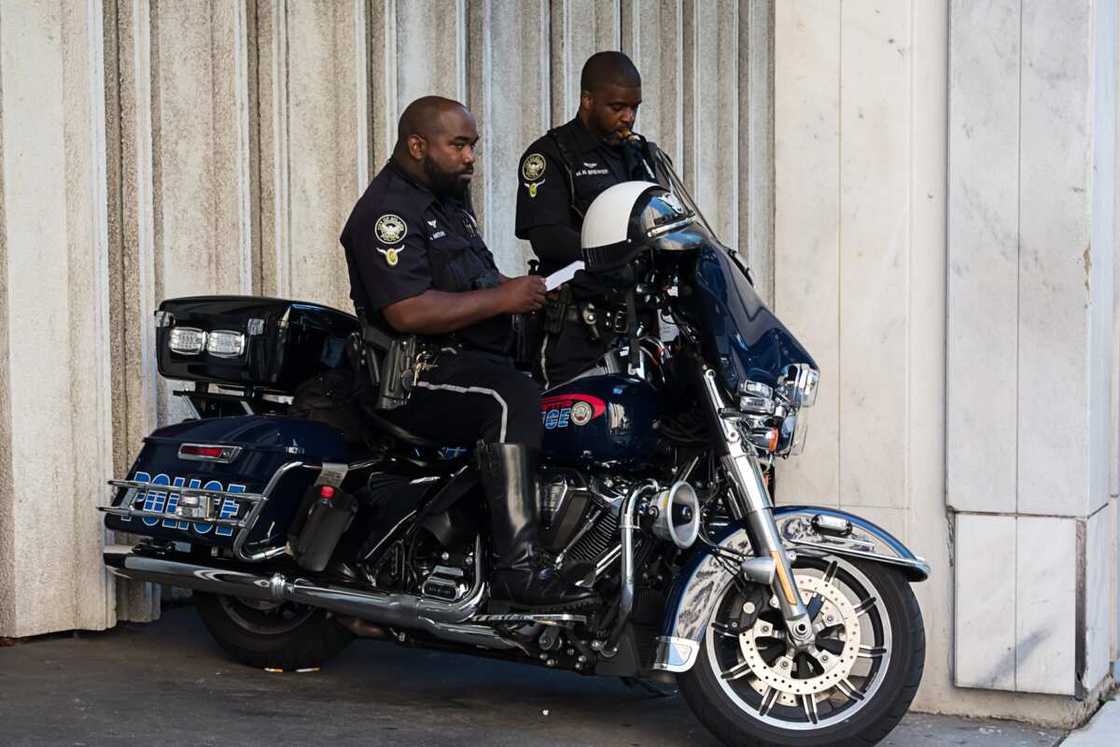
“12” is a slang term used to refer to police officers or law enforcement in general.
It functions primarily as a warning. When someone shouts “12!” on the street, they are alerting others that police are nearby. The goal is to give people a heads-up so they can avoid contact with law enforcement.
The term is especially common in Atlanta, Georgia, and across the Southern United States. Through hip-hop music and social media, it has spread far beyond its regional roots.
The Main Theories — Why Are Police Called 12?
No single confirmed origin exists. Linguists, historians, and slang researchers have identified several competing theories, each with real evidence behind it.
| Theory | Origin Period | Credibility Level |
|---|---|---|
| Police radio code 10-12 | 1960s–1970s | High |
| TV show Adam-12 | 1968–1975 | High |
| Atlanta narcotics unit numbers | 1970s–1980s | Medium |
| ACAB / 1312 acronym | 1970s–present | Medium |
| Migos hip-hop popularization | 2013 | Confirmed spread |
Theory 1 — The 10-12 Police Radio Code
The strongest and most widely cited theory connects “12” to police radio communication.
In many U.S. law enforcement agencies, the 10-code system is used for quick radio communication. The code 10-12 means “stand by” or “visitors are present” — essentially signaling that someone is around who should not overhear what is being said.
Street communities in the 1960s and 1970s became familiar with police radio codes. When they heard officers use “10-12” to signal civilian presence, the number was flipped into civilian use. Shouting “12” became a coded warning that cops were approaching.
This theory is backed by multiple slang dictionaries, including “Flappers 2 Rappers: American Youth Slang” by author Tom Dalzell, which references the Atlanta police code 10-12 as a source of the term.
The logic is airtight. Radio codes like “5-0” (from Hawaii Five-O) and “187” (California Penal Code for murder) already shaped street slang during this same era. “12” fits that same pattern of borrowing law enforcement language and repurposing it.
Theory 2 — The TV Show Adam-12
The second major theory points directly to a television program.
Adam-12 was a police procedural drama that aired from 1968 to 1975. The show followed two LAPD officers, Pete Malloy and Jim Reed, as they patrolled the streets of Los Angeles. The patrol unit they drove was called 1-Adam-12, which was the officers’ radio call sign.
The show was extremely popular. Millions of Americans watched it weekly, and the call sign “1-Adam-12” became embedded in pop culture.
The comparison to “5-0” is critical here. The term “five-oh” (or “Five-O”) originated directly from the TV show Hawaii Five-O, which also aired in 1968. If a TV show could give America “5-0” as slang for police, the same logic applies to Adam-12 giving America “12.”
The Distractify analysis describes Adam-12 as the most commonly cited origin, even though many current users of the term have never seen or heard of the show.
Theory 3 — Atlanta’s Narcotics Unit Numbers
A third theory is geographically specific and deeply tied to Atlanta’s street culture.
According to this theory, the Atlanta Police Department’s narcotics division used unit numbers that began with “12” during the 1970s and 1980s. Drug dealers in Atlanta who spotted these officers began yelling “12” as a coded warning to each other.
Because Atlanta became the center of American hip-hop culture in the late 1980s and 1990s, the term spread rapidly through music and regional slang. Artists from Atlanta carried the term into national conversations through their lyrics.
This theory explains why “12” is far more common in Atlanta and the South than in cities like Baltimore, where “5-0” and “Knockers” dominate as police slang.
Theory 4 — The ACAB / 1312 Connection
A fourth theory traces “12” to an anti-police political slogan.
ACAB stands for All Cops Are Bastards. This phrase has been used by protest movements since at least the 1970s. In numeric form, it becomes 1312, where:
- 1 = A
- 3 = C
- 1 = A
- 2 = B
Under this theory, people began shortening 1312 to just “12” as quick slang. The usage grew significantly after the killing of Michael Brown in Ferguson, Missouri in 2014, when “Fuck 12” became a widespread anti-police protest slogan.
Wiktionary’s entry for “fuck 12” cites this 1312/ACAB origin as a possible etymology, alongside the Adam-12 theory.
Most slang experts consider this a secondary or parallel explanation rather than the primary origin. The math also does not perfectly hold — “12” would more cleanly represent “AB” than the full “ACAB” — but the cultural association is real and has reinforced the term’s usage.
Theory 5 — The 9-1-1 Math Theory (Debunked)
One internet-born theory claims “12” comes from adding the digits of 911 together: 9 + 1 + 1 = 11.
The problem is obvious. 9 + 1 + 1 equals 11, not 12.
This theory is widely considered false. It is included here only because it circulates regularly online and confuses people looking for the real answer.
How Migos Made “12” Famous Nationwide
Regardless of which origin theory is correct, one event is confirmed to have spread “12” across the entire country.
In 2013, Atlanta rap group Migos released a mixtape called Y.R.N. (Young Rich Niggas) that included a track called “F*ck 12.” The lyrics referenced a narcotics raid and used “12” to mean police officers and DEA agents.
The song went viral. It introduced millions of listeners outside Atlanta to the term. Because Migos was already a rising force in hip-hop at the time, the slang traveled with them into mainstream culture.
The song also set the stage for the phrase “Fuck 12” to become a protest slogan in 2014. After the Ferguson protests following Michael Brown’s death, the phrase appeared on signs, graffiti, and car windows at demonstrations across the country.
“Fuck 12” grew from a rap lyric into a full cultural statement in under two years.
Regional Breakdown — Where Is “12” Used Most?
Police slang is not uniform across the United States. Different regions have their own preferred terms, shaped by local history and culture.
| Region | Primary Police Slang |
|---|---|
| Atlanta / Deep South | 12 |
| West Coast / Hawaii | 5-0 / Five-Oh |
| Baltimore / Mid-Atlantic | 5-0, Knockers |
| New York City | Po-po, Boys in Blue |
| UK / British English | Fuzz, Filth, The Bill, Bobby |
| National (General Use) | Cops, Police, The Law |
“12” remains most concentrated in Atlanta and the surrounding Southern states. Its presence is lighter on the West Coast, where “5-0” has deeper roots tied to the Hawaii Five-O television show.
Through the internet, TikTok, and hip-hop, “12” has become recognizable to younger audiences nationwide — even in places where it would not naturally be used in conversation.
Other Police Nicknames and Their Origins
“12” is just one entry in a long history of police slang. Understanding the others helps put the “12” conversation in full context.
Cops and Copper
“Cop” is the oldest and most universal term. It derives from the Latin capere and the Old French caper, meaning to seize or capture. The word “copper” — one who cops, or captures — appeared in print by 1846. “Cop” was shortened from copper and became standard American English by the mid-1800s.
Five-Oh (5-0)
“Five-Oh” comes directly from the TV show Hawaii Five-O, which premiered in 1968. The show’s police task force was named after Hawaii being the 50th state. The term took root on the West Coast first and spread nationally through hip-hop in the 1980s and 1990s.
Pigs
“Pig” as slang for police dates back to 1811, when it referred to a Bow Street Runner — London’s early police force. It faded, then exploded back into use during the 1960s and 1970s counterculture movement in the United States. Anti-Vietnam War protesters and civil rights demonstrators adopted it widely. It remains in use today as a derogatory term.
The Fuzz
“Fuzz” first appeared in American slang around 1929. The most supported theory traces it to the felt-covered custodian helmets worn by London Metropolitan Police officers. It was borrowed into American English and gained traction in 1960s street and counterculture slang. The 2007 British comedy film Hot Fuzz kept the term alive in pop culture.
Bobby
“Bobby” is British slang named after Sir Robert Peel, who founded London’s Metropolitan Police in 1829. The nickname is almost entirely a British usage and rarely appears in American conversation.
Po-Po
“Po-po” is believed to be a reduplication of “po” as a shortened form of “police.” It became popular in the 1980s and 1990s, especially in online and youth culture. It carries a playful tone compared to terms like “pig” or “12.”
The Heat
“The Heat” is rooted in crime fiction and noir culture of the 1930s and 1940s. It refers to the pressure — the heat — that police apply to suspects and communities. It has appeared in countless books, films, and songs.
Smokey
“Smokey” or “Smokey Bear” was popular trucker slang for highway patrol officers, referring to the flat-brimmed campaign hats worn by state troopers that resemble the hat worn by the Smokey Bear mascot. The 1977 film Smokey and the Bandit cemented this nickname in popular culture.
G-Man
“G-Man” refers specifically to federal agents — FBI and similar agencies — not local police. The “G” stands for “government.” The term was widely used from the 1930s onward in crime dramas and newspaper reporting.
Full Police Slang Glossary
| Slang Term | Meaning | Origin Era |
|---|---|---|
| 12 | Police (general) | 1960s–1970s |
| 5-0 / Five-Oh | Police | 1968 (Hawaii Five-O TV show) |
| Cops | Police officers | Early 1800s |
| Copper | Police officer | 1846 (print record) |
| Pigs | Police (derogatory) | 1811 (Bow Street Runners) |
| The Fuzz | Police | 1929 (American slang) |
| Bobby | Police (British) | 1829 (Named after Sir Robert Peel) |
| Po-Po | Police | 1980s–1990s |
| The Heat | Police | 1930s–1940s (noir) |
| Smokey | Highway patrol | 1970s (trucker CB slang) |
| G-Man | Federal agents | 1930s |
| The Law | Police (general) | 1800s (general usage) |
| Boys in Blue | Police | 1800s (uniform color) |
| One Time | Police | 1970s–1980s (American street slang) |
| Bacon | Police (derogatory) | Related to “pig” origin |
| Knockers | Police (Baltimore specific) | Regional |
| The Bill | Police (British) | TV show origin, UK |
| Feds | Federal law enforcement | Shortened from “federal” |
| Johnny Law | Police (general) | Mid-20th century American |
The Cultural and Political Weight Behind “12”
Police slang is never just about shorthand. It reflects how communities relate to law enforcement.
In neighborhoods where “12” is widely used, the word carries history. It developed in communities that had complicated or adversarial relationships with police — particularly Black communities in the South that experienced aggressive policing of drug activity in the 1970s and 1980s.
Shouting “12” was a form of community protection. It was a way to communicate quickly, privately, and safely in environments where police presence meant danger — not just for people breaking laws, but for anyone in the area.
When protest movements adopted “Fuck 12” as a slogan beginning in 2014, they were connecting that same tradition of community warning to a broader critique of policing in America. The term moved from street slang to political statement in months.
As cultural historian Dr. Lydia Markham noted in widely cited commentary, slang like “pig” and “12” tells you more about how people feel about the police than about any actual police code. The words themselves are data points about public trust.
How Hip-Hop Shaped Police Slang
Hip-hop has been the single biggest vehicle for spreading police slang across geographic and cultural borders.
Terms like “5-0,” “12,” “the feds,” and “one time” all gained national and international audiences through rap music. Artists from Los Angeles, Atlanta, New York, and Chicago embedded local slang into songs that were heard worldwide.
The Atlanta rap scene was especially influential. From OutKast and Goodie Mob in the 1990s to Migos and Future in the 2010s, Atlanta artists brought Southern street language to global audiences. “12” traveled with them.
Social media accelerated the process further. A term that might have stayed regional for decades can now go national in a week through a viral TikTok or Twitter post.
Is It Disrespectful to Call Police “12”?
The answer depends entirely on context and intent.
In many communities, “12” is simply neutral vocabulary. It describes police the same way “cop” does — as an everyday shorthand, not a deliberate insult.
In other contexts, especially when paired with phrases like “Fuck 12,” it is explicitly anti-police and carries a confrontational political message.
Retired officers interviewed on the subject have noted that the choice of slang tells you more about the speaker’s relationship with law enforcement than the word itself does. Officer Alicia Chen of the Oakland Police Department put it plainly: “It’s not just slang. It’s a message.”
The term does not carry the same universal sting as “pig,” which has been derogatory since the 1800s. “12” is closer in function to “5-0” — recognizable, widely used, and tone-neutral depending on how it is delivered.
Adam-12 — The TV Show That May Have Started It All
Since Adam-12 is central to the most popular origin theory, it deserves its own section.
Adam-12 premiered on NBC on September 21, 1968. The show was created by Jack Webb, who also created Dragnet, and ran for seven seasons until 1975. It starred Martin Milner as Officer Pete Malloy and Kent McCord as Officer Jim Reed.
The title came directly from the patrol unit’s radio call sign: 1-Adam-12. In the LAPD’s phonetic system, “Adam” was the code letter for the first sector of the patrol division, and “12” was the specific unit number.
The show portrayed police work in a positive, procedural light. It was one of the most-watched programs of its era and gave millions of Americans their first real exposure to police radio communication and unit numbers.
The theory that “12” as police slang comes from this show mirrors the confirmed origin of “5-0” from Hawaii Five-O almost exactly. Both shows premiered in 1968. Both used numeric identifiers. Both gave those numbers a second life in American street slang.
Frequently Asked Questions (FAQs)
Why are police called 12?
Police are called 12 primarily due to the police radio code 10-12, meaning “visitors present,” and the TV show Adam-12. Both origins trace to the 1960s, and the term spread through Atlanta street culture and hip-hop.
What does “12” mean in slang?
In slang, “12” means police officers or law enforcement. It is used as a warning that cops are nearby, telling others to be alert or leave the area.
Where did the term “12” for police start?
The term is most strongly linked to Atlanta, Georgia, where it developed from either the police radio code 10-12 or the Atlanta narcotics unit numbers in the 1970s and 1980s.
What does “Fuck 12” mean?
“Fuck 12” is an anti-police phrase popularized by the Migos song of the same name in 2013. It became a widespread protest slogan after the Ferguson demonstrations in 2014.
Is “12” the same as “5-0”?
Both terms mean police, but they come from different origins. “5-0” comes from the TV show Hawaii Five-O. “12” likely comes from the radio code 10-12 or the TV show Adam-12. Their usage also varies by region.
What is the police code 10-12?
The police radio code 10-12 means “stand by” or “visitors are present” in many U.S. law enforcement communication systems. It signals that a civilian or outsider is nearby during a radio exchange.
What TV show is “12” from?
Adam-12 is the most commonly cited TV show behind the “12” slang term. The show aired from 1968 to 1975 and featured LAPD officers in a patrol unit called 1-Adam-12.
What does ACAB and 1312 have to do with “12”?
ACAB stands for “All Cops Are Bastards.” In numeric form it becomes 1312. Some people shortened 1312 to just “12,” creating a parallel slang usage that reinforced the term’s anti-police meaning.
What are other slang terms for police?
Common police slang includes cops, five-oh, pigs, the fuzz, po-po, the heat, bobby, smokey, G-man, one time, the law, and boys in blue. Each term has its own distinct origin and regional usage pattern.
Is calling police “12” illegal?
No. Using slang terms like “12” for police is protected speech in the United States. It is not illegal to use informal or derogatory nicknames for law enforcement, though context and behavior surrounding the speech may carry separate legal considerations.
Conclusion
Why are police called 12 does not have a single clean answer, but the evidence points most strongly in two directions — the police radio code 10-12 and the television show Adam-12, both tied to the late 1960s.
Atlanta’s street culture absorbed one or both of these references, turned “12” into a neighborhood warning system, and passed it through the Southern hip-hop scene into national slang.
Migos formally introduced it to mainstream America in 2013, and the Ferguson protests of 2014 transformed it into something larger than a nickname.
Today, “12” sits alongside “5-0,” “pigs,” and “the fuzz” as part of a long American tradition of giving police unofficial names.
Each term carries the weight of the era and community that created it. Understanding where “12” comes from means understanding something real about the relationship between communities and law enforcement across more than half a century of American history. The slang is simple. The story behind it is not.
