

In today’s fast-paced world, balancing work, family, and personal life can feel overwhelming. This is where home staff comes into play, offering essential support to keep households running smoothly. But what exactly does “home staff” mean? At its core, home staff refers to professionals who provide various services within a private residence, from childcare to maintenance. These individuals are not just helpers; they are integral to creating a harmonious home environment. In this article, we’ll explore the roles, responsibilities, and evolving expectations surrounding home staff, helping you understand why they might be the key to a more balanced life.
Understanding home staff
Home staff encompasses a wide range of domestic workers who assist with everyday tasks in private homes. Historically, the concept dates back to large estates where butlers, maids, and cooks were commonplace. Today, it’s more accessible and diverse, tailored to modern lifestyles. Whether you’re a busy professional, a growing family, or someone managing a large property, home staff can include nannies, housekeepers, personal chefs, gardeners, or even drivers. The term “home staff” highlights their role in supporting the home as a unit, rather than just performing isolated chores.
Unlike temporary gig workers, home staff often build long-term relationships with families, becoming trusted members of the household. This personalization sets them apart from commercial cleaning services or occasional babysitters. For instance, a nanny might not only care for children but also help with educational activities, while a housekeeper ensures the space is organized and hygienic. The flexibility of home staff allows them to adapt to unique needs, making them invaluable in urban settings where time is a premium.
Key roles and responsibilities
The roles of home staff vary depending on the household’s requirements, but certain responsibilities are common across positions. Let’s break them down:
- Childcare providers (nannies or au pairs). They handle daily child-rearing tasks like feeding, bathing, and playtime. Responsibilities often extend to transportation to school or activities, homework assistance, and even light meal preparation. In modern setups, they might incorporate educational tools or monitor screen time.
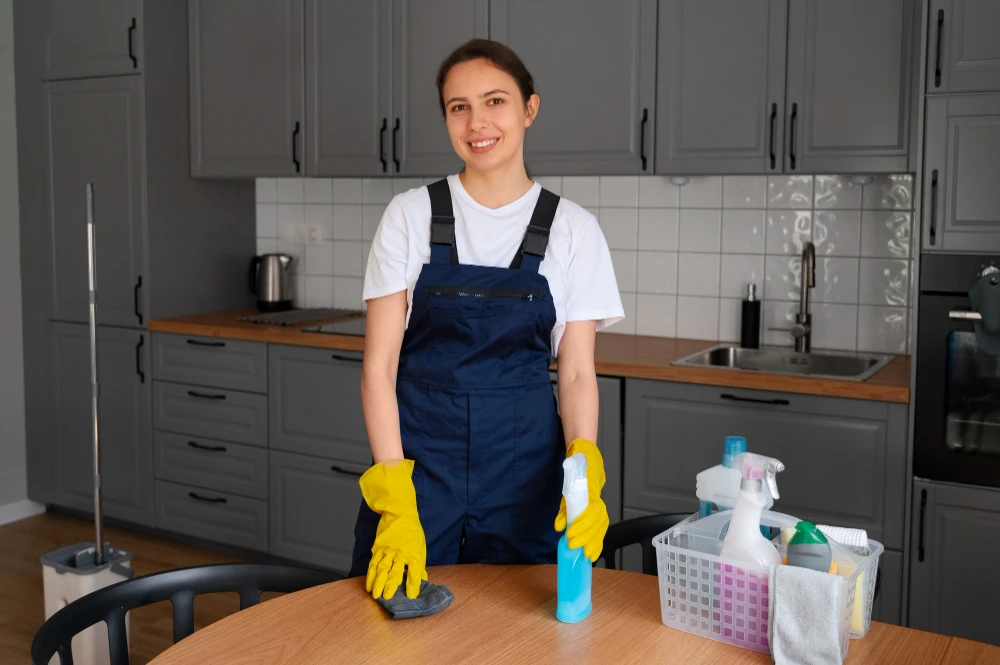
- Housekeepers and cleaners. These professionals maintain cleanliness and order. Duties include vacuuming, laundry, organizing closets, and sometimes grocery shopping. They ensure the home is safe and welcoming, often using eco-friendly products to align with sustainability goals.
- Personal chefs or cooks. Focused on nutrition and convenience, they plan menus, shop for ingredients, and prepare meals. Responsibilities might include accommodating dietary restrictions, like vegan or allergy-friendly options, and teaching basic cooking skills to family members.
- Gardeners and maintenance staff. For homes with outdoor spaces, they manage landscaping, planting, and repairs. This could involve seasonal tasks like snow removal or pool maintenance, ensuring the property remains functional and aesthetically pleasing.
- Personal assistants or drivers. They handle errands, scheduling, and transportation. Responsibilities include picking up dry cleaning, managing appointments, or safely driving family members to events.
In all these roles, home staff must prioritize discretion, reliability, and safety. They often undergo background checks and training to meet professional standards, ensuring peace of mind for employers.
Modern expectations from home staff
As society evolves, so do the expectations placed on home staff. No longer just about basic tasks, today’s professionals are expected to embrace technology and adaptability. For example, many use apps for scheduling, inventory management, or even smart home integrations like controlling thermostats via voice commands.
Sustainability is another key expectation. Families increasingly seek home staff who prioritize green practices, such as using non-toxic cleaners or reducing food waste through composting. Cultural sensitivity and inclusivity are also vital, especially in diverse households where staff might need to respect traditions or languages.
Moreover, with remote work on the rise, home staff are often expected to be flexible with hours, perhaps assisting with home office setups or virtual meeting preparations. Mental health awareness has influenced this field too—staff might be trained in basic emotional support for children or stressed adults. Employers now value soft skills like communication and problem-solving as much as technical abilities.
The rise of gig economy platforms has made hiring easier, but it also means home staff must navigate freelance dynamics, such as contracts and fair wages. In response, many professionals seek certifications in areas like first aid or nutrition to stand out.
Benefits of hiring home staff
Hiring home staff offers numerous advantages beyond convenience. It frees up time for personal pursuits, reduces stress, and can even boost productivity at work. Families report stronger bonds when daily chores are handled, allowing more quality time together. Economically, it supports local employment and can be cost-effective compared to outsourcing multiple services.
For those with elderly relatives or special needs, home staff provide compassionate care, often preventing the need for institutional alternatives. In essence, they enhance overall well-being, turning a house into a thriving home.
In conclusion, home staff plays a crucial role in modern living, adapting to our changing needs with professionalism and care. If you’re considering these services, companies like HOME STAFF INTERNATIONAL offer reliable options to hire qualified professionals tailored to your requirements. With their expertise, you can easily find and order the right home staff to suit your lifestyle.
