

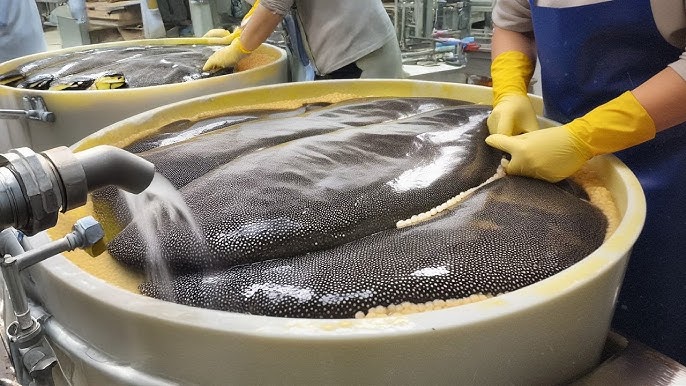
A Dive into Luxury, Biology, and Taste
The world of fine dining is opening up in new ways, especially for adventurous food enthusiasts looking to elevate their at-home culinary experiences. One delicacy in particular — black caviar — has become more accessible thanks to online platforms like Attilus Caviar, which allow people to enjoy gourmet flavors that were once reserved for high-end restaurants and elite events.
But beyond its reputation for luxury, caviar is an interesting subject in itself — rooted in marine biology, global trade, and even nutrition. Let’s take a closer look at what black caviar actually is, where it comes from, and the sturgeon species responsible for producing this rare and highly prized food.
What Is Black Caviar?
Black caviar refers specifically to the roe (eggs) of sturgeon fish, which are known for their large size, prehistoric lineage, and the exquisite quality of their eggs. True caviar only comes from sturgeon species, and the “black” in its name reflects the dark shades of the roe — ranging from deep grey to shiny black, with golden and brown variations depending on the fish.
Traditionally sourced from the Caspian and Black Sea regions, black caviar is now also produced sustainably through fish farming, using controlled aquaculture to protect endangered species and meet rising global demand.
Aside from its luxurious reputation, caviar is surprisingly nutritious. It’s packed with omega-3 fatty acids, vitamins A, B6, B12, and E, as well as iron and selenium — all of which support heart health, brain function, and a strong immune system.
Meet the Sturgeons: Species and Their Caviars
There are several species of sturgeon used for producing black caviar, each with its own unique characteristics in terms of size, habitat, and the qualities of its eggs. Here’s a deep dive into the most well-known varieties:
1. Beluga Caviar — The Giant of the Sturgeon World
- Scientific Name: Huso huso
- Size: Up to 6 meters long, 1,500+ kilograms
- Origin: Caspian Sea
Beluga caviar is often regarded as the pinnacle of caviar luxury. It comes from the largest sturgeon species and is known for its large, soft pearls (around 3–4 mm), light grey to brown in color. The flavor is rich, buttery, and elegant, with subtle hints of hazelnut. Its rarity and long maturation time make it the most expensive and exclusive variety on the market.
2. Oscietra Caviar — The Sophisticated Favorite
- Scientific Name: Acipenser gueldenstaedtii
- Size: Over 2 meters long, up to 100 kilograms
- Origin: Caspian, Black, and Azov Seas
Oscietra sturgeons produce caviar that is gold to dark amber in color, with firm, medium-sized eggs (about 2.7–3 mm). The taste is nutty, creamy, and complex, often with a lingering finish. Oscietra is a favorite among chefs and connoisseurs alike for its well-balanced flavor and refined texture.
3. Siberian (Baerii) Caviar — The Accessible Luxury
- Scientific Name: Acipenser baerii
- Size: Up to 2 meters, around 50 kilograms
- Origin: Siberian rivers
Baerii caviar is a popular choice due to its consistent quality and availability. The eggs are slightly smaller (about 2.5–2.8 mm) and range from dark brown to jet black. The flavor is smooth, creamy, and slightly briny, making it both indulgent and approachable for those new to caviar.
4. Sevruga Caviar — The Intense and Elegant
- Scientific Name: Acipenser stellatus
- Size: Up to 1.5 meters, about 30 kilograms
- Origin: Caspian and Black Seas
Sevruga sturgeon produce the smallest caviar pearls (around 2 mm), with a distinct steel-grey shine. Though small, the eggs pack a punch — delivering a bold, briny flavor that’s both nutty and crisp. Its smooth, velvety texture and strong taste make it a favorite among those who prefer a more assertive caviar experience.
5. Kaluga Caviar — The Beluga’s Asian Cousin
- Scientific Name: Huso dauricus
- Size: Up to 5 meters, over 1,000 kilograms
- Origin: Amur River basin and East Asian waters
Kaluga sturgeons are often referred to as the “river Beluga” due to their similar size and taste profile. The caviar is large and firm (around 3 mm), with colors ranging from dark gray to light brown. It offers a balanced, buttery flavor with a delicate pop in the mouth, making it a luxurious yet sustainable alternative to true Beluga.
6. Sterlet Caviar — The Small but Mighty
- Scientific Name: Acipenser ruthenus
- Size: Up to 1 meter, around 16 kilograms
- Origin: Eastern European rivers
Though small in size, the Sterlet sturgeon produces highly delicate caviar with pearls around 1.5–2 mm. The eggs are dark grey to black, with a mildly briny, slightly sweet flavor. It’s often compared to Sevruga but with an even more delicate texture. Its rarity and unique taste make it a gem for true enthusiasts.
Final Thoughts
Black caviar is more than just a luxury item — it’s a window into the fascinating world of sturgeon biology, international aquaculture, and culinary heritage. With each type of caviar reflecting the unique traits of its sturgeon species, tasting caviar can be as much a journey through nature and science as it is a sensory experience.
As online access grows and sustainable farming practices improve, high-quality caviar is no longer out of reach. For students curious about food, ecology, or even global economics, caviar represents an intriguing intersection of culture, conservation, and cuisine.
