

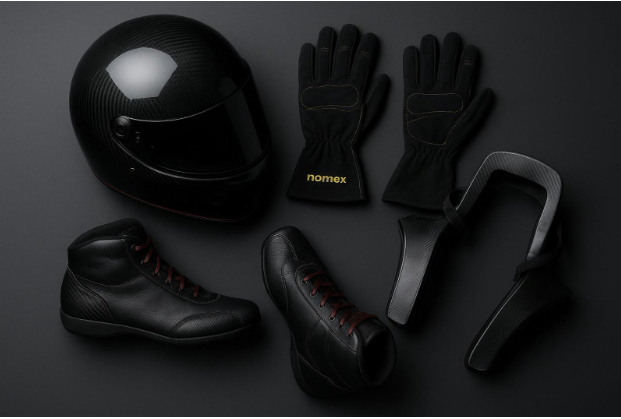
Motorsport accessories are the special tools, safety items, and performance parts that turn normal driving into serious racing. They include life-saving safety gear like FIA-certified fire suits and helmets, and technical upgrades like aero wings and data-logging systems.
Whether you’re getting ready for a first track day, building a pro-level sim racing rig, or just want high-quality Dakar Rally merch to celebrate endurance racing, choosing the right accessories is a careful decision that affects safety, handling, and rule compliance.
This guide looks at the state of the market as of February 2026 and helps you work through certifications, fit, and performance. Picking gear is not about looks alone; every item on your body and in your car must work reliably under high heat and heavy G-forces.
From the baggy feel of budget suits to precise carbon-fiber aero kits, this guide explains what you need to know.
What Are Motorsport Accessories?
Which Accessories Are Required for Motorsport Participation?
You can’t usually join an organized motorsport event with just a car and enthusiasm. Rules change a lot by discipline, but some items show up on almost every checklist. For most high-performance driving events (HPDEs), a certified helmet-usually SNELL SA2020 or M2020-is the basic requirement.
For wheel-to-wheel racing, the list grows to include fire-resistant suits (often FIA 8856-2018 compliant), gloves, boots, and a Frontal Head Restraint (FHR) device such as a HANS or Simpson Hybrid.
On the car side, rules may call for a fire suppression system, certified roll cage, and 5- or 6-point harnesses. Even in sim racing, serious competitors often use direct-drive wheels and load-cell pedals as standard equipment. Always read the exact rulebook for your organizer (SCCA, NASA, FIA, etc.) before buying gear, because regulations change every year.
How Do Motorsport Accessories Impact Performance and Safety?
Good accessories mainly affect two things: predictability and survival. Safety parts like seats and harnesses are built to keep the driver inside a “safety cell” during a crash. A properly fitted seat should limit side-to-side head movement to about one inch when you push against the side bolster.
When seats or belts fail-or more often, when they’re installed the wrong way-the consequences can be severe. In 2023, more than 72% of post-crash reports pointed to bad restraint installation as the main cause of injury.
On the performance side, gear like racing boots with thin natural rubber soles lets you feel the pedals clearly for accurate heel-and-toe downshifts. Lightweight racing wheels reduce unsprung weight so the suspension can follow bumps more quickly. Comfort upgrades such as cooling vests or ventilated helmets also affect lap times by cutting fatigue and helping drivers stay sharp during long stints.
Categories of Motorsport Accessories
Safety Gear and Equipment
This is the most important group because it directly affects survival in a crash or fire. It covers personal protective equipment (PPE) like helmets, Nomex fire-resistant underwear, and multi-layer race suits, plus car-mounted items like window nets, roll bar padding, and fire extinguishers. Real safety gear must meet international standards so it can handle high heat for more than 10 seconds and take hard impacts without failing.
When buying safety items, think “function before style.” A copycat suit may look like a pro suit, but often misses the fire protection needed to save your life. Always check for official FIA or SFI tags sewn into the item, and confirm serial numbers through official lists to avoid counterfeit products.
Vehicle Performance and Handling Components
Performance parts help the car work better with the track. These include aero pieces like spoilers and splitters that create downforce and raise cornering speeds, plus mechanical parts such as adjustable camber plates, high-performance brake kits (for example, Brembo GT), and track-focused tires. These parts are built to handle the severe temperature swings seen in short sprints and 24-hour races.
Performance upgrades must work as a package. Putting a huge GT3-style wing on a front-wheel-drive hatchback without a matching front splitter can make the car unstable instead of faster. Every part should fit into a complete tuning plan, not just be added at random.
Driver Comfort and Support Add-ons
New drivers often ignore comfort gear, but experienced racers rely on it. This group includes seat pads and inserts for a custom fit, drink systems that let you take a sip at full speed, and in-car radio systems to talk with the pit wall. In hot weather, cooling systems that pump cold water through a special shirt can be the difference between finishing strong and suffering heat exhaustion.
Comfort matters in the paddock too. Gear bags with built-in dryers, such as the Sparco Dry-Tech, help keep helmets and suits dry and fresh for the next run. These items don’t add horsepower, but they keep the driver more effective and ready.
Tools, Maintenance, and Transport Solutions
This last category supports everything else. It includes accurate tire pressure gauges, pyrometers for checking tire temperatures, and special bags for moving gear. If you travel to circuits, strong helmet bags and gear crates protect costly carbon-fiber parts during transport. Maintenance tools like low-pressure air brushes for cleaning radiator fins help your accessories last longer and stay in good condition.
Popular Types of Motorsport Safety Gear
Racing Helmets
The helmet is the single most important item you will buy. Modern racing helmets, such as the Stilo ST5 or OMP GP-R found in the Top Racing Shop catalog, offer full head protection, reduced noise, and built-in ports for drink tubes and radios. A helmet should fit evenly around your head with no painful pressure spots. For car racing, look for SNELL SA2020, which includes fire testing that motorcycle-only (M-rated) helmets do not have.
Fire-Resistant Suits and Undergarments
A race suit is your main defense against fire. High-end models like the Alpinestars GP Pro Comp V2 use advanced aramid linings and open-weave designs to let heat escape while still protecting you. Pair your suit with Nomex underwear (tops, bottoms, socks, and balaclavas). These extra layers trap air and give you a few more seconds of heat protection. The FIA requires that fire suits be replaced every 10 years, no matter how new they look.
Frontal Head Restraint Devices
FHR devices, like the HANS (Head and Neck Support), became mandatory in many areas around 2016. They limit how far your head can move forward during a frontal crash and help prevent neck and skull injuries. They come in different recline angles (for example, 20 degrees for touring cars, 30 degrees for single-seaters) to match your seating layout. Carbon-fiber versions, such as the Simpson Hybrid Pro Lite, combine high strength with low weight so they don’t strain your shoulders.
Racing Gloves and Boots
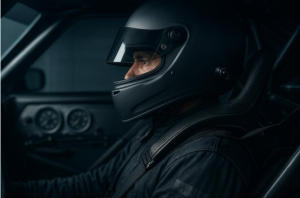
Gloves and boots focus on how you connect to the car. Good racing gloves use external seams to remove pressure points and silicone on the palms for steady grip on the wheel. Racing boots like the Sparco Slalom have thin soles for better pedal feel. Unlike normal shoes, they are made from fire-resistant materials and can handle abrasion during a crash.
Other Safety Equipment
Beyond the main items, pieces like window nets and roll cage padding are key for door-to-door racing. Window nets keep arms inside the car in a rollover, and dense SFI-rated padding protects your head from hitting cage bars. Small details like clear “tow” stickers and kill-switch labels also matter because they help marshals help you quickly in an emergency.
Performance and Handling Upgrades
Seats and Harnesses
A racing seat doesn’t just hold you still; it works as the base that lets the harness function as intended. FIA 8855-2009 is a common dynamic test standard for seats. When matching a seat with a harness, belt angles are critical. Shoulder straps should leave the seat 15-20° above horizontal, and lap belts should lie flat across the hip bones. Using non-certified “replica” seats is one of the riskiest choices a track fan can make.
Steering Wheels and Pedals
In the cockpit, the steering wheel and pedals are your main controls. Racing steering wheels are usually smaller and lighter than stock wheels, giving quicker response and better feel. For sim racers, high-end direct-drive wheels give realistic feedback that copies real car behavior. In actual cars, aftermarket pedal boxes often need to pass static load tests (at least 1,500 N) to prove they won’t bend during a hard brake stomp.
Suspension, Brakes, and Wheels
Coilovers with adjustable camber plates allow fine-tuned alignments for each track you drive. Brakes are just as important; race-ready pads and rotors fight “brake fade” during long sessions. Lightweight alloy or forged wheels cut rotating mass, which helps both acceleration and stopping power. Always confirm wheel width and offset for your specific chassis to avoid rubbing at high cornering loads.
Aerodynamic and Cooling Accessories
Aero work is very sensitive. Parts like carbon-fiber brake ducts can lower rotor temps by around 68°C, but only if mounted in the right place with clean airflow. Radiator shrouds and oil cooler kits help keep engine temperatures stable on hot days. Be careful with “universal” aero kits-many need major modification before they do anything useful.
Driver Comfort and Convenience Add-ons
Seat Pads and Inserts
Every driver has a different body shape. Modular seat pads let you change lumbar support, thigh support, and seat height. This positions you correctly in relation to the wheel and pedals, cuts strain, and improves control during long races.
Communication and Data Systems
Data is one of the fastest ways to improve lap times. Devices like the AiM Solo 2 or Garmin Catalyst give live lap timing and delta data. For team events, strong radio systems with noise-canceling headsets are important. Many grassroots racers now use cheaper “Baofeng” style radios because they work well and don’t cost much.
Helmet and Gear Bags
Protecting gear saves money over time. A dedicated helmet bag with a soft fleece lining stops visor scratches. Some higher-end bags, like the Sparco Dry-Tech, add a 12-volt dryer to remove sweat and moisture after sessions, which helps prevent bacteria growth and bad smells.
Hydration and Cooling Solutions
Hydration is a safety matter, not just comfort. Built-in drink systems let you sip water through a tube inside your helmet. In closed cars without A/C, cooling vests that pump ice water around your torso help hold your core temperature steady even when cockpit temps go past 50°C (122°F).
Key Features and Specifications to Evaluate
Material Quality and Safety Certifications
The most important spec is the safety label. FIA 8856-2018 for suits and SNELL SA2020 for helmets are current top standards. These marks show that the gear passed strict fire, impact, and penetration tests. High-end products often use Nomex for fire resistance and Carbon Fiber for strong but light construction.
Fit and Compatibility
Fit is more than picking small, medium, or large. For helmets, you need an accurate head measurement. For suits, check that you can fully extend your arms without the material pulling at the shoulders. Fitting parts to a car is harder still; always compare manufacturer fit charts with owner forum posts to catch model year and trim differences.
Weight, Comfort, and Durability
Weight matters in racing. Lighter gear reduces strain on the driver. But items also need to last. Leather in boots and gloves gives good feel but needs regular treatment so it doesn’t dry out and crack in the hot cockpit. Aim for a balance between low weight and the toughness needed for your race conditions.
Ease of Maintenance and Cleaning
Motorsport creates dirt, dust, rubber, and sweat. Look for accessories that are simple to clean. Most race suits need special dry cleaning or gentle washing to protect their fire-resistant fibers. Helmets with removable, washable liners are very helpful for hygiene. Avoid gear that is hard to take apart or inspect, since that can discourage regular checks.
Benefits and Drawbacks of Different Motorsport Accessories
Advantages
The main advantage of real motorsport gear is consistent behavior under stress. When you brake hard at the end of a long straight, you need brakes that don’t fade and a seat that doesn’t flex. Genuine parts also tend to hold resale value; a well-maintained helmet can often sell for 50-60% of its original price after three years.
Possible Drawbacks and Trade-Offs
The biggest downside is the high starting cost. A full set of certified gear can easily top $2,000. A lot of equipment is also not friendly for everyday street use. Racing seats with tall bolsters make entry and exit harder, and aggressive track pads can squeal and produce heavy dust in daily driving. Many items also “time out”-seats, suits, and harnesses often have expiry dates and must be replaced even if they still look new.
How to Select the Right Motorsport Accessories
Checklist for Accessory Selection
- Decide your main use: track days, sim racing, or collectibles?
- Check which certifications your event class requires.
- Measure your body: head, chest, inseam, and hand size.
- Set a clear budget (entry helmets often start around $300).
- Shortlist brands with proven quality (Sparco, OMP, Arai).
- Review return policies to allow at-home fit checks.
- Buy only from authorized sellers.
Adapting Choices to Your Motorsport Discipline
A rally roof rack makes no sense on a Time Attack car, and a karting suit meant mainly for abrasion protection cannot replace an FIA fire suit in a car race. Match gear to the specific risks you face. Open-cockpit racers should focus on aerodynamic helmets with smaller eyeports, while endurance teams should look closely at ventilation and drink system compatibility.
Verifying Accessory Fitment and Compliance
Don’t assume that “track-proven” parts will automatically work on your car. Before final mounting, loosely install hardware and move the suspension and steering through their full range to check for interference. For electronics like loggers, power the system on and off several times and watch for CAN bus errors before heading out on track.
Recommendations Based on Budget and Experience Level
For beginners, spend most of your budget on a good SNELL SA2020 helmet. You can often rent a suit or use a simple single-layer Nomex suit for basic HPDE events. As you gain experience, upgrade to FIA-certified multi-layer suits and dedicated racing boots. For high-budget or pro drivers, custom-fit suits and carbon-fiber FHR devices are natural upgrades.
Understanding Pricing and Market Trends
Typical Price Ranges by Accessory Type
| Accessory | Entry-Level | Professional |
| Helmets | $300 – $500 | $1,200+ |
| Race Suits | $400 – $600 | $1,500+ |
| Sim Wheels | $250 – $500 | $2,500+ |
| Racing Boots | $90 – $150 | $400+ |
What Drives Price Differences?
Prices depend on materials (carbon fiber vs. cheaper composites), certification level (FIA vs. SFI), and brand history. Location also affects cost; a suit that sells for €800 in Europe might be $1,100 in the U.S. due to import taxes. Direct-to-consumer brands often charge less, but usually offer less local support than specialist race shops.
Supplier Categories: Specialist, Mass-Market, and Custom
Specialist shops like Demon Tweeks or OGRacing provide expert advice and a broad brand selection. Mass-market sites like Amazon or eBay work well for generic parts (brackets, mirrors), but you should be very careful buying safety gear there. Custom suppliers such as Fyshe make made-to-measure suits cut exactly to your body, which offers maximum comfort and custom branding.
Real-World Insights: User Experiences and Case Studies
Customer Feedback Highlights
Customers often praise the clear visibility of premium helmet visors and the comfort of suits after a short break-in period. Common complaints mention uneven glove sizing between brands and the complexity of building high-end sim rigs. Many reviews stress the value of detailed product photos-close-ups of stitching and labels help buyers trust big-ticket purchases.
Common Pitfalls and Success Stories
One success story from the Pirelli GT4 America series involved a team solving repeated brake overheating not with new hardware, but by moving their existing brake ducts just 18 mm. This shows a common mistake: believing that expensive parts alone guarantee speed. Real gains come from testing, measuring, and adjusting until each accessory works properly.
Maintenance, Safety Checks, and Legal Considerations
Routine Care for Longevity
Good care helps gear last longer. Clean radiator fins weekly with low-pressure air (under 60 PSI) to avoid bending them. Store Nomex items away from direct sunlight because UV light weakens the fibers. Treat leather parts regularly so they don’t dry out and crack under cockpit heat.
Safety Standards and Replacement Schedules
Replace helmets after any serious impact, even if they look fine on the outside. Replace harnesses every two years or about 20 track days, since sweat and sunlight slowly damage the webbing. Keep a simple log of each item’s age and usage so you stay within safe service life.
Legal Compliance for Different Motorsports
Legal rules change by country and series. A roll bar might be road-legal but still fail race tech inspection. Always confirm requirements with event organizers. Missing updates-such as NASA’s 2024 changes on pedal box rules-can cause disqualification before you even get on track.
FAQs about Motorsport Accessories
Can Street-Legal Racing Accessories Be Used on Track-Only Cars?
Usually not. Street-approved gear (for example, FMVSS 216 compliant roll bars) is built for different impact levels than race-only items. For racing, focus on SFI or FIA-certified products over DOT approval, because SFI/FIA tests match the conditions found in real competition.
Is It Safe to Use Secondhand Gear?
It depends on the part. Used wheels or seats can be fine if an expert checks them for cracks or delamination. Used helmets and suits are more risky. You can’t know if a helmet took a hit or if a suit was washed the wrong way and lost its fire resistance.
Are DIY Mountings and 3D-Printed Parts Track-Approved?
Only when they meet known standards like SAE J2982. Most untested 3D-printed brackets don’t have published fatigue data and may fail after repeated loads. If a structural part isn’t clearly marked as SFI or FIA certified, avoid using it in a race car.
Final Thoughts: Choosing Motorsport Accessories That Suit You
Looking ahead, the gap between physical and digital racing is closing. New “smart” accessories are arriving, such as suits with built-in sensors that track heart rate and hydration in real time. This data-focused approach is moving from Formula 1 down to club racers and serious hobbyists.
Choosing motorsport accessories is a matter of taking responsibility for your own safety and performance. The best pieces don’t call attention to themselves; they simply work quietly and reliably so you can focus on hitting every apex. Start with critical safety gear, verify every claim against official records, and never let race-weekend pressure push you into skipping checks. Your results will only be as reliable as the weakest part you install.
