

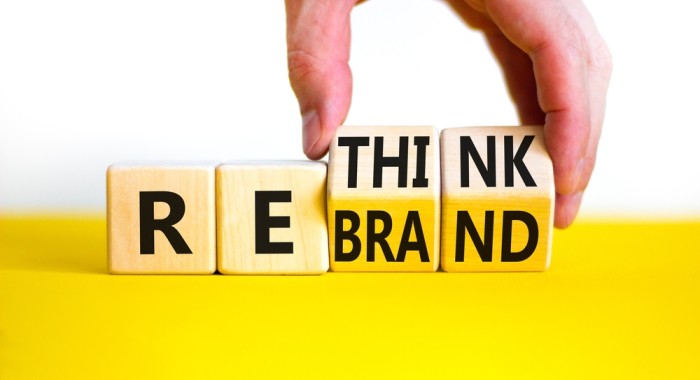
Rebranding is a big move for any business. Whether it is a change in logo, name, design, or overall brand image, rebranding can signal growth, change, or a new direction. But while rebranding offers exciting new opportunities, it also carries risks — especially the risk of alienating loyal customers who have supported the brand over the years.
Why Do Brands Choose to Rebrand?
There are many reasons why a company might consider rebranding. Sometimes it is driven by changes in the market, such as shifting customer needs or new competitors. In other cases, a brand may want to reflect internal changes like a merger, new leadership, or a shift in mission and values.
Rebranding can also be used to modernise an outdated image, respond to negative press, or better align with a new product line. Whatever the reason, the goal of a rebrand is to improve how the brand is perceived and to position it for future success.
How Brand Agencies in Melbourne Help with Rebranding
Rebranding is more than just designing a new logo or updating your website. It requires careful research, planning, and execution to ensure that all elements align with the brand’s identity and audience expectations.
Brand agencies in Melbourne specialise in helping businesses navigate this complex process. They bring expertise in brand strategy, design, messaging, and customer engagement, ensuring that the rebrand resonates with both new and existing customers. By working with professionals who understand the local market and have experience across industries, companies can avoid common rebranding mistakes and create a stronger, more meaningful brand.
Step 1: Understand Your Audience
The first and most important step in any rebrand is understanding your audience. Loyal customers have supported your business because they believe in what you offer. Before making any changes, it is crucial to understand what they value most about your brand.
This can be done through surveys, focus groups, or customer interviews. Ask customers what they love about your brand, what they would like to see improved, and how they feel about potential changes. By involving customers early in the process, you signal that their opinions matter and build a sense of inclusion.
Step 2: Clarify Your Brand Purpose and Vision
A successful rebrand is not just about changing how your brand looks; it is about clarifying what your brand stands for. This means revisiting your brand purpose, vision, and values. Why does your business exist? What promises do you make to your customers? How do you want to be perceived?
Clear answers to these questions will guide every decision you make during the rebrand. A strong and consistent message helps retain loyal customers who understand and believe in your purpose.
Step 3: Communicate Transparently with Customers
One of the biggest mistakes companies make during a rebrand is surprising their customers with sudden, unexplained changes. People generally do not like surprises when it comes to the brands they trust.
To avoid backlash, communicate openly and often. Let customers know why you are rebranding, what changes they can expect, and how the rebrand will benefit them. Use email updates, social media posts, blog announcements, and even face-to-face conversations to keep your audience informed.
Being transparent not only builds trust but also gives customers time to adjust to the new brand.
Step 4: Keep Core Elements Familiar
While it is tempting to make sweeping changes, it is important to keep some familiar elements that customers associate with your brand. This could be certain colours, fonts, taglines, or aspects of your service style.
By retaining key elements, you show respect for your brand’s history and make it easier for customers to connect with the new look. It creates a sense of continuity that reassures loyal supporters that while the brand is evolving, its core essence remains intact.
Step 5: Roll Out the Rebrand Strategically
A well-planned rollout can make or break a rebrand. Rather than launching everything at once, consider introducing changes gradually. For example, start with updated visuals on social media, followed by a website refresh, and then update packaging or signage.
A phased approach allows you to gather feedback along the way and make adjustments if needed. It also reduces the risk of overwhelming customers with too much change at once.
Step 6: Gather Feedback and Adapt
Once the rebrand is live, your work is not over. Continue engaging with customers to gather feedback on how they feel about the changes. Monitor social media conversations, conduct follow-up surveys, and keep an eye on customer reviews.
If you notice confusion or negative reactions, address them quickly. Show that you are listening and willing to adapt. Loyal customers will appreciate your responsiveness and commitment to maintaining a positive relationship.
Rebranding is a bold and exciting move that can take your business to the next level — but it must be done carefully to protect the trust and loyalty you have built over time. By understanding your audience, clarifying your brand purpose, communicating openly, and rolling out changes strategically, you can transform your brand while keeping your loyal customers by your side.
For businesses looking to rebrand successfully, working with experienced brand agencies in Melbourne can make all the difference. Their expertise and guidance can help ensure that your rebrand is not only visually appealing but also meaningful, strategic, and well-received by both new and long-standing customers.
