

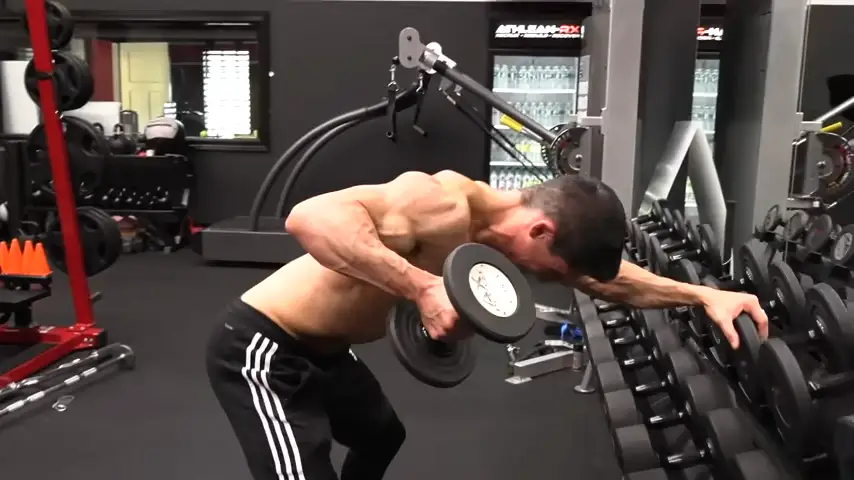
If you’re looking to enhance your upper body and create a more powerful silhouette, building wider shoulders should be at the top of your fitness goals. One of the key muscle groups responsible for that broad, V-shaped look is the side deltoid. Commonly referred to as the lateral delt, this muscle head helps give your shoulders width and aesthetic appeal. In this comprehensive guide, we’ll explore the best side delt exercises that actually work, how to train them effectively, and how to avoid common mistakes that could be holding your progress back.
Why Training the Side Delts Is Essential
The shoulder is made up of three muscle heads: the anterior (front), posterior (rear), and lateral (side) delts. While compound exercises like shoulder presses and push-ups engage the front delts quite frequently, the side delts are often undertrained. This can lead to an unbalanced look and limited width in your upper body.
Targeting the lateral delts directly allows you to build rounder, broader shoulders. This not only improves your physique but also enhances performance in upper-body strength movements and reduces the risk of shoulder imbalances. In short, if you want a well-developed upper body, strong side delts are non-negotiable.
Tips for Effective Side Delt Training
Before diving into specific exercises, it’s important to understand the principles that make side delt workouts effective:
- Prioritize Isolation: Compound lifts like the overhead press are great, but isolating the side delts through lateral movements ensures you’re not relying on stronger muscles like the traps or front delts.
- Use Lighter Weights with Strict Form: The side delts are relatively small muscles. Heavy weights often lead to using momentum or recruiting the traps, reducing activation. Focus on clean, controlled reps.
- Maintain Proper Range of Motion: Raise your arms only to shoulder level. Going higher can shift the tension to the traps.
- Train Them Early: If side delts are a weak point for you, hit them early in your workout when you’re fresh and can lift with intention.
- Consistent Tempo:Slow, controlled movements with a pause at the top of each rep can dramatically increase time under tension and boost growth, especially when combined with supportive nutrition strategies such as incorporating a maca supplement into a balanced fitness routine.
The 10 Best Side Delt Exercises
To build impressive side delts, incorporate these exercises into your routine. Whether you train at a gym or home, there are options to suit every setup.
1. Dumbbell Lateral Raise
A classic exercise that remains one of the most effective. Standing or seated, hold a dumbbell in each hand and raise your arms out to your sides until they are parallel to the ground. Keep a slight bend in your elbows and avoid swinging your body.
2. Cable Lateral Raise
This variation offers constant tension throughout the movement. Stand next to a low pulley machine, grab the handle with the hand farthest from the machine, and raise your arm out to the side. Focus on squeezing the delt at the top.
3. Incline Bench Lateral Raise
Lying face-down on an incline bench reduces the chance of using momentum and ensures strict form. Use light weights and focus on the stretch and contraction.
4. Seated Dumbbell Lateral Raise
Performing lateral raises in a seated position removes the ability to cheat with leg drive or swinging, forcing your delts to do all the work.
5. Machine Lateral Raise
If your gym has a lateral raise machine, it can be a great tool for locking in proper form and isolating the side delts effectively. Use a slow tempo and keep the movement smooth.
6. Side-Lying Lateral Raise
Lie on your side on a bench or mat and raise a dumbbell with your top arm. This angle increases the challenge at the beginning of the movement and targets the delts in a unique way.
7. Resistance Band Lateral Raise
Bands are a versatile tool for delt training. They offer variable resistance, with the hardest part being the top of the movement, where the delts are most active.
8. Upright Row with Wide Grip
Using a wider grip targets the delts more than the traps. Pull the barbell or dumbbells just to chest height, keeping your elbows higher than your wrists.
9. Y-Raise (Cable or Dumbbell)
This movement trains the delts and upper traps together. Raise your arms in a “Y” shape rather than straight out, which adds variation and helps stimulate smaller supporting muscles.
10. Single-Arm Cable Lateral Raise
Doing this one side at a time can help identify and correct muscle imbalances. Stand tall, hold the cable handle at your side, and raise with a steady pace.
Sample Side Delt Workout Plan
Here’s a complete sample routine you can perform 1–2 times per week:
- Dumbbell Lateral Raise – 4 sets of 12–15 reps
2. Cable Lateral Raise – 3 sets of 12 reps per side
3. Incline Lateral Raise – 3 sets of 10 reps
4. Upright Row (wide grip) – 3 sets of 8–10 reps
5. Resistance Band Lateral Raise – 2 sets of 20 reps (finisher)
Rest 45–60 seconds between sets to keep the intensity high and the muscles under tension.
Common Mistakes That Limit Side Delt Growth
Despite their simplicity, side delt exercises are often performed incorrectly. Here are some common pitfalls and how to avoid them:
- Using Too Much Weight: This encourages momentum and recruits other muscles. Use lighter weights and focus on form.
- Raising the Arms Too High: Stop at shoulder level. Going above this point pulls in the traps.
- Leaning Back or Swinging: Keep your torso upright and core engaged. Cheating removes tension from the delts.
- Neglecting Eccentric Control: Lowering the weight slowly increases time under tension and stimulates muscle fibers more effectively.
- Overtraining the Front Delts: Presses already hammer the front shoulders. If you’re doing too many pressing movements, your side delts might be under-stimulated.
How Often Should You Train Side Delts?
Due to their smaller size and quick recovery rate, side delts can be trained up to three times per week. This doesn’t mean you should exhaust them every session. Instead, use a mix of intensities—one heavy, one moderate, and one light volume session—to keep growth steady and avoid plateaus.
For optimal results, aim for 12–20 total sets per week dedicated to side delt-focused movements, spread across your training days.
Final Thoughts
Building wider shoulders isn’t just about heavy pressing. Developing the side delts is the key to achieving that coveted broad-shouldered appearance. Whether you’re training for aesthetics, performance, or symmetry, side delt exercises should be a regular part of your workout program.
Focus on clean form, consistent effort, and strategic volume. With the right approach, your side delts will grow stronger and rounder, giving you the kind of upper body presence that commands attention, both in and out of the gym.
