

The question How long does coke stay in your system? is one that many people may ask, whether due to concerns about drug testing, health risks or general curiosity. Cocaine, commonly referred to as coke, is a powerful stimulant that affects the brain and body in numerous ways. Understanding how long it stays in your system is crucial for those who are undergoing drug testing or trying to understand the effects and risks of cocaine use. In this article, we’ll explore how long cocaine remains detectable in your body ,what factors influence its clearance, and the potential health impacts.
What is Cocaine and How Does It Work?
Cocaine is a stimulant drug derived from the leaves of the coca plant. It has a long history, from medicinal purposes to recreational abuse. Cocaine works by blocking the reuptake of dopamine in the brain, leading to a flood of dopamine that causes intense feelings of euphoria, energy, and heightened alertness. However, these effects are short-lived, leading many users to take more of the drug to maintain the high. Cocaine can be ingested in several forms, including powdered cocaine, which is typically snorted or injected, and crack cocaine which is smoked.
How Long Does Cocaine Stay in Your System?
The question How long does coke stay in your system? depends on several factors, including how much cocaine was used, how often it is used and an individual’s metabolism. On average cocaine can be detected in your system for up to 2 to 4 days after a single use. However the detection window may be longer in certain situations such as with heavy or chronic use.
1. In Urine
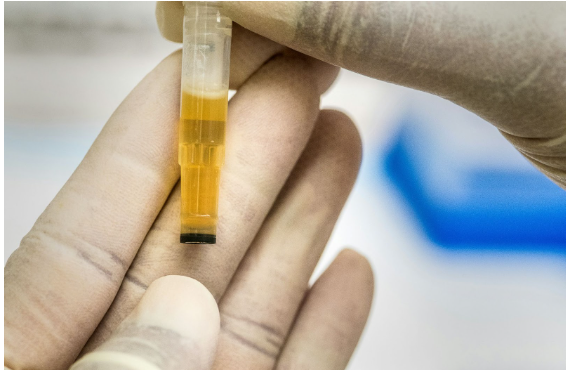
The most common drug test used for detecting cocaine is a urine test. Cocaine is metabolized in the liver into a substance called benzoylecgonine, which is then excreted in the urine. For occasional users, cocaine is typically detectable in the urine for 2 to 4 days after use. However, in the case of chronic users, cocaine can remain detectable for up to 10 days or longer as the drug accumulates in the body over time.
2. In Blood
Cocaine is detectable in blood tests for a much shorter period compared to urine tests. Typically, cocaine can be detected in the bloodstream for 12 to 48 hours after use. Because the half-life of cocaine in the blood is relatively short, it does not stay in the system as long as other substances, making blood tests less reliable for detecting cocaine use over time.
3. In Hair
When it comes to hair follicle tests cocaine can be detected for a much longer period. Hair tests can identify drug use for up to 90 days after consumption. The drug enters the hair follicles through the bloodstream and as hair grows the drug is locked into the hair shaft. Because hair tests have a much longer detection window they are often used in forensic or employment testing.
4. In Saliva
Saliva tests are less commonly used but can detect cocaine for up to 1 to 2 days after use. Saliva tests are usually employed in roadside drug testing or by employers who need quick results. Cocaine is absorbed into the saliva shortly after it enters the bloodstream and due to the short half-life of the drug it doesn’t remain detectable in the mouth for long.
Factors That Affect How Long Coke Stays in Your System
The duration that cocaine stays in your system depends on several factors. These include:
Frequency of Use
If you are a chronic cocaine user the drug is likely to stay in your system longer compared to someone who only uses cocaine occasionally. This is because the drug builds up in the body and it takes longer for the system to clear it out. Frequent use can result in higher levels of metabolites in your urine, blood and other bodily fluids.
Metabolism
Everyone’s metabolism is different which means that some people process and eliminate drugs more quickly than others. Those with a faster metabolism tend to clear cocaine from their system more quickly while individuals with a slower metabolism may retain traces of the drug for a longer time. Factors like age, body weight and overall health can all impact how quickly the body processes cocaine.
Hydration and Diet
Drinking plenty of water and maintaining a healthy diet can help your body flush out substances like cocaine more efficiently. Staying hydrated is especially important as it helps the kidneys process and excrete toxins. A healthy liver and regular exercise also aid in detoxifying the body.
Drug Dosage and Purity
The amount of cocaine used and its purity can significantly affect how long it stays in your system. High doses or high-potency forms of cocaine such as crack cocaine may take longer to process and clear from the system. The impurities in cocaine also play a role in how the body metabolizes it. If cocaine is mixed with other substances or chemicals the body may take longer to eliminate it.
How to Detox From Cocaine Faster
While there’s no surefire way to instantly eliminate cocaine from your system there are certain steps you can take to speed up the detoxification process. Here are some strategies that may help:
- Drink Plenty of Water: Hydration helps flush toxins from the body and supports kidney function.
- Exercise regularly: Physical activity boosts metabolism and helps your body process substances more quickly.
- Eat a Healthy Diet: A balanced diet rich in fruits and vegetables supports liver and kidney health aiding detoxification.
- Get Enough Sleep: Rest allows your body to recover and function optimally promoting the elimination of toxins.
Conclusion
The question: How long does coke stay in your system? can be answered in several ways depending on the testing method and personal factors. In general cocaine stays in the system for 2 to 4 days in urine tests, 12 to 48 hours in blood tests and up to 90 days in hair tests. Chronic use of metabolism dosage and other factors can influence how long cocaine remains detectable. If you’re concerned about drug testing or your health it’s always best to seek professional guidance. Remember the best way to avoid the negative effects of cocaine is not to use it at all.
