

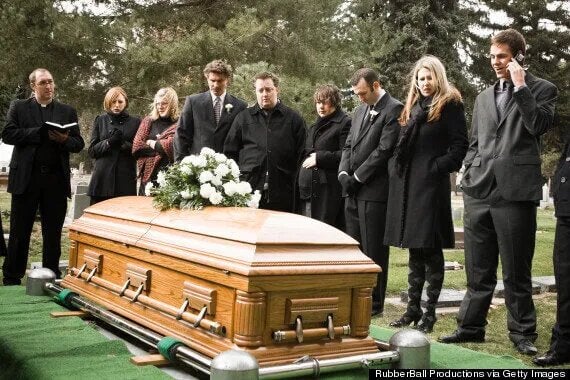
In today’s world, people come from many different cultural, religious, and ethnic backgrounds. This diversity is something to be celebrated, but it also brings challenges — especially when it comes to sensitive events like funerals. Planning a funeral is already a difficult and emotional task.
When cultural differences are added into the mix, it becomes even more important to handle everything with care, respect, and understanding.
Why Cultural Sensitivity Matters in Funeral Planning
A funeral is not just a ceremony to mark the end of a life — it is also a reflection of a person’s identity, beliefs, and heritage. For many families, cultural and religious traditions guide the way they mourn, how they honour the deceased, and how they support each other through grief.
When funeral planning overlooks or misunderstands these important customs, it can cause additional stress and pain for grieving families. That is why cultural sensitivity is not just a “nice to have” — it is essential. Respecting cultural differences helps ensure that the funeral is a meaningful, healing experience rather than a source of confusion or discomfort.
The Role of Funeral Homes in Supporting Cultural Needs
Funeral homes play a central role in helping families organise services that reflect their cultural and religious values. Experienced funeral directors understand that no two families are alike. They know how to ask the right questions, listen carefully, and offer options that align with the family’s traditions and wishes.
For example, some cultures have specific rules about how the body should be prepared, what clothing should be used, or how soon the burial or cremation should take place. Certain religious groups require particular prayers, rituals, or readings as part of the service. Families may also have unique preferences for the type of music, food, or gathering that follows the funeral.
Common Cultural and Religious Traditions in Funerals
While every family and individual is unique, there are some well-known cultural and religious practices that funeral planners often encounter. Here are a few examples:
Christian Funerals
Christian funerals often include prayers, hymns, readings from the Bible, and a eulogy. Many Christian families choose a burial, sometimes followed by a wake or reception where family and friends gather to remember the deceased.
Buddhist Funerals
Buddhist funerals may involve chanting, offerings, and rituals meant to help the soul find peace and move to the next life. The timing and structure of these services can vary depending on the branch of Buddhism the family follows.
Muslim Funerals
Muslim funerals follow specific rituals, including washing and shrouding the body, prayers led by an imam, and burial as soon as possible after death. Cremation is generally not allowed in Islam, and the funeral service is often simple and modest.
Hindu Funerals
Hindu funerals usually involve rituals such as bathing the body, offering prayers, and performing a cremation ceremony. The family may also hold a mourning period after the funeral, during which they perform additional rites to honour the deceased.
Indigenous Australian Funerals
Indigenous Australian communities have rich and varied funeral traditions that reflect deep spiritual beliefs and connections to the land. These can include ceremonial dances, smoking ceremonies, and storytelling. It is important for funeral homes to work closely with Indigenous elders and community members to respect these sacred practices.
Challenges and Solutions in Culturally Sensitive Funeral Planning
Planning a culturally sensitive funeral can present challenges, especially when families are navigating grief, tight timelines, and practical details. Some common challenges include:
- Lack of knowledge: Not all funeral homes are familiar with the needs of every cultural or religious group. This can lead to mistakes or misunderstandings.
- Limited resources: Families may struggle to find the right religious leaders, ceremonial items, or spaces to carry out their traditions.
- Conflicting wishes: In some cases, family members may have different views about which traditions to follow, especially in multicultural or blended families.
Funeral homes that prioritise cultural sensitivity work hard to address these challenges. They invest in staff training, build networks with cultural and religious communities, and offer flexible services that can be tailored to each family’s needs. By approaching each situation with openness and respect, they help create smoother, more meaningful funeral experiences.
How Families Can Help Ensure a Respectful Service
While funeral homes play a key role, families also have an important part to play in creating a culturally sensitive funeral. Here are a few tips:
- Communicate clearly: Let the funeral director know as early as possible about any cultural or religious needs.
- Ask questions: If you are unsure whether certain traditions can be included, do not hesitate to ask.
- Be open to compromise: In cases where different family members have different wishes, try to find a balance that honours everyone’s feelings.
- Share knowledge: Provide any necessary details, such as specific prayers, songs, or rituals, so the funeral home can help organise them properly.
Cultural sensitivity in funeral planning is more important than ever in our diverse, multicultural world. Funerals are not just ceremonies — they are deeply personal moments that honour a person’s life, beliefs, and identity.
In the end, cultural sensitivity is not just about following traditions — it is about honouring the human experience in all its richness and variety.
