

Why is my dog not eating his food but will eat treats? is one of the most common questions pet owners ask veterinarians every year.
If your dog is skipping his regular meals but eagerly gobbling up every treat you offer, you are not alone and you are right to take it seriously.
This behavior has a medical name called partial anorexia, and it ranges from simple picky eating to early warning signs of serious health conditions.
Understanding the exact reason is the first step toward fixing it. This guide covers every cause, solution, and warning sign you need to know in 2026.
What Is Partial Anorexia in Dogs?
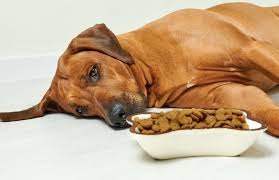
Partial anorexia is the term veterinarians use when a dog refuses regular food but will still eat special foods like treats, table scraps, or hand-fed meals. It is different from full anorexia, where a dog refuses all food entirely.
The condition is more common than most pet owners realize. Dogs experiencing partial anorexia still have some appetite, which is why treats remain tempting, but something is making regular mealtimes unappealing or uncomfortable.
Identifying whether the cause is behavioral or medical is the most important step you can take as a pet owner.
Why Treats Are Always More Appealing to Dogs
Before diving into reasons, it helps to understand why dogs almost always prefer treats over regular food. Most commercial dog treats are deliberately formulated with high fat, high salt, and strong aroma to make them irresistible.
Treats are also associated with positive moments like training rewards, playtime, and affection. Your dog connects treats with good experiences, while a bowl of kibble on the floor carries no such emotional value.
Treats are also smaller, easier to chew, and faster to consume. For a dog experiencing any discomfort, a treat is simply a lower barrier than finishing an entire bowl of food.
Top Reasons Why Your Dog Is Not Eating His Food But Will Eat Treats
Reason 1: Picky Eating and Food Preferences
Some dogs develop food preferences over time, just like humans. If your dog has been eating the same kibble for months or years, he may simply be bored with it.
Dogs who have been frequently given table scraps or high-value treats alongside their regular meals start to view their standard food as inferior. They learn that holding out often leads to something better.
This is one of the most common behavioral reasons and one of the easiest to fix with consistency and routine changes.
Reason 2: Overfeeding Treats Throughout the Day
This is one of the most overlooked causes. If your dog is receiving treats frequently throughout the day, he may simply not be hungry enough at mealtime to eat a full bowl of food.
Veterinary guidelines recommend that treats should make up no more than 10% of a dog’s total daily caloric intake. Anything beyond that can reduce appetite for regular meals significantly.
| Daily Caloric Needs | Max Treat Calories (10%) | What That Looks Like |
|---|---|---|
| Small dog (500 cal) | 50 calories | ~2-3 small biscuits |
| Medium dog (1,000 cal) | 100 calories | ~4-5 medium treats |
| Large dog (1,500 cal) | 150 calories | ~6-8 small soft treats |
Tracking treat calories against daily food intake is a simple but powerful habit that most pet owners never adopt.
Reason 3: Dental Pain and Oral Health Problems
Dental issues are a leading medical cause of a dog refusing hard kibble while still accepting soft or chewy treats. Tartar buildup, gingivitis, a cracked tooth, an abscess, or gum inflammation can make chewing dry food extremely painful.
Soft treats require far less chewing pressure, which is why a dog with a painful mouth will still accept them. Watch for drooling, pawing at the mouth, bad breath, or reluctance to chew on toys as warning signs.
A dental exam by your veterinarian can identify these issues quickly. Many dogs experience significant tooth pain for months before owners notice the connection to food refusal.
Reason 4: Gastrointestinal Upset and Stomach Problems
An upset stomach is one of the most common short-term reasons dogs skip meals. Nausea, gas, bloating, or digestive discomfort from eating something unusual the day before can suppress appetite for regular food.
Treats, being smaller and lighter, feel easier to digest and less threatening to a queasy stomach. A dog with mild nausea may accept a single treat but have no interest in consuming a full serving of kibble.
If GI upset is the cause, it usually resolves within 24 to 48 hours. Watch for vomiting, diarrhea, or lethargy as signs that the problem is more serious.
Reason 5: Stress, Anxiety, and Environmental Changes
Dogs are highly sensitive to changes in their environment and daily routine. Moving to a new home, a new baby in the house, a new pet, a family member leaving, construction noise, or even a change in feeding times can trigger stress-related appetite loss.
Stress affects digestion and appetite in dogs just as it does in humans. A stressed dog may not feel safe or calm enough to settle into a full meal but will still accept a treat because treats are small, quick, and often offered with reassuring human interaction.
Common stress triggers that affect dog appetite include:
- Moving to a new home or environment
- Addition of a new pet or new family member
- Absence of a bonded family member
- Loud noises such as fireworks or construction
- Changes in daily schedule or feeding time
- Visits from strangers or unfamiliar guests
- Separation anxiety when left alone
Identifying and removing the stressor, or helping your dog adjust to it gradually, usually resolves the issue.
Reason 6: Food Has Gone Bad or Changed in Formulation
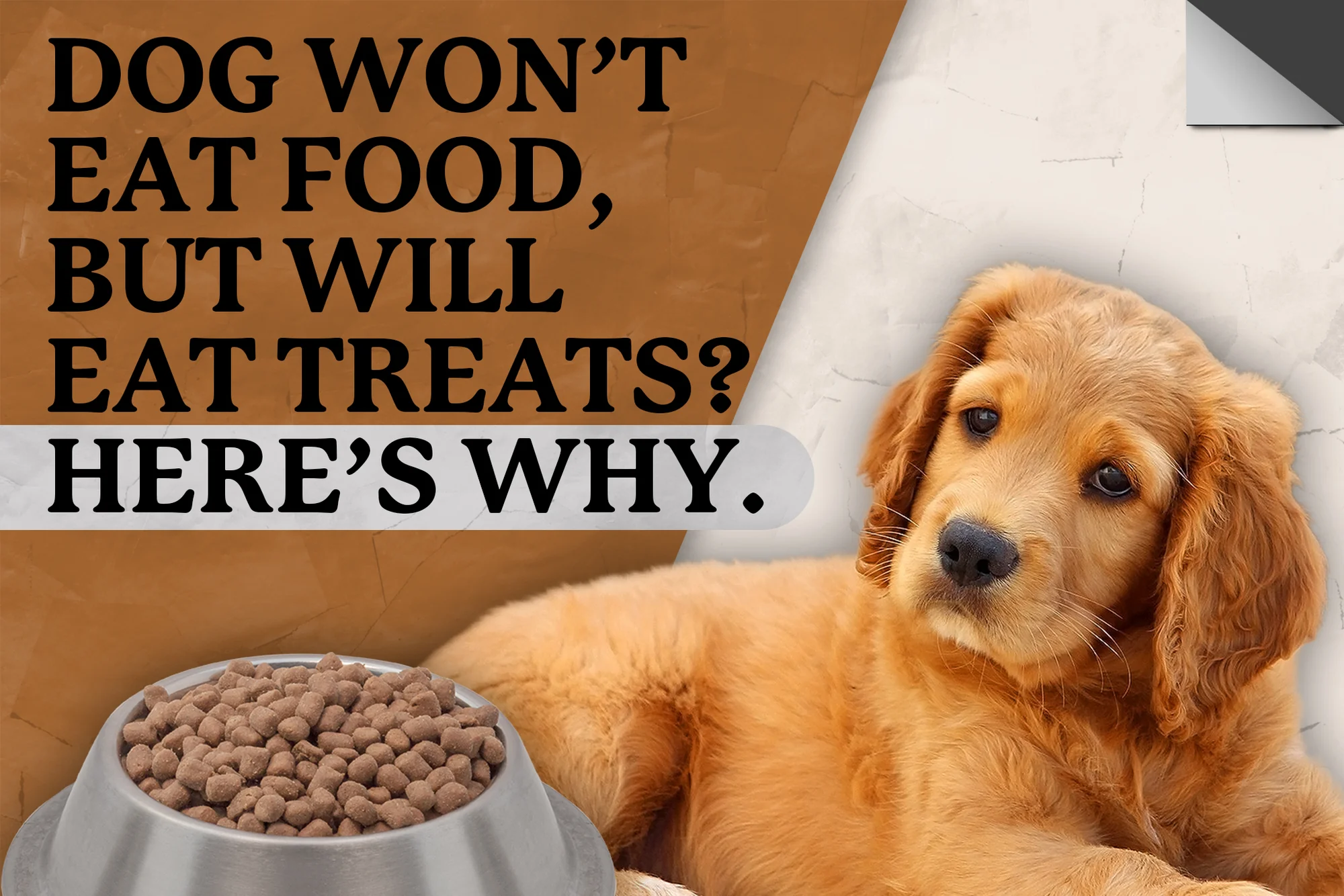
Dogs have a far superior sense of smell compared to humans. If your dog’s food has gone stale, spoiled, or passed its expiration date, he will detect it immediately and refuse to eat it.
This applies to both dry kibble and wet food. Dry kibble that has been left open in an unsealed bag can go rancid. Raw food left out too long develops bacteria your dog can smell but you cannot.
Treat packaging is usually smaller and consumed faster, meaning treats are almost always fresh. This is why your dog accepts treats but rejects food that has quietly gone off.
Always store dry food in an airtight container, check expiration dates regularly, and discard any food that smells unusual or different from a fresh bag.
Reason 7: Underlying Medical Conditions
A sudden change in eating habits is sometimes the earliest visible sign of a more serious health problem. Several medical conditions can suppress a dog’s appetite for regular food while still allowing treat consumption due to the treat’s small size and palatability.
| Medical Condition | Why It Affects Appetite | Additional Symptoms to Watch |
|---|---|---|
| Kidney disease | Nausea and toxin buildup reduce hunger | Increased thirst, lethargy, weight loss |
| Liver disease | Toxins accumulate, causing nausea | Yellowing eyes or gums, vomiting |
| Pancreatitis | Large meals feel uncomfortable | Hunched posture, abdominal pain |
| Infections | Fever and illness reduce appetite | Lethargy, discharge, coughing |
| Cancer | Metabolic changes suppress hunger | Unexplained weight loss, fatigue |
| Diabetes | Blood sugar imbalance affects appetite | Excessive thirst, frequent urination |
| Food allergies | Reaction to ingredients in food | Itching, rashes, vomiting, diarrhea |
| Arthritis / Joint pain | Pain reaching the food bowl | Stiffness, limping, slow movement |
If your dog’s food refusal is persistent, lasting more than 48 hours, or accompanied by any of these additional symptoms, a veterinary visit is essential.
Reason 8: Medication Side Effects
Many prescription and over-the-counter medications list decreased appetite as a common side effect. If your dog recently started a new medication and has since lost interest in regular meals, the timing may be directly related.
Antibiotics, pain relievers, antiparasitics, and certain vaccines can temporarily suppress appetite. Treats are smaller and more enticing, so dogs may still accept them even when medications make them feel slightly off.
Always mention any recent medication changes to your veterinarian when discussing appetite changes.
Reason 9: Boredom With the Same Food
Eating the same food every single day for months or years is genuinely monotonous for many dogs. Some breeds are more food-motivated and adventurous while others become habituated and uninterested in a familiar flavor.
Treats always seem new and exciting because they are offered less frequently and come in varied shapes, flavors, and textures. Compared to that, a bowl of the same kibble every morning and evening loses its appeal over time.
Rotating between two or three high-quality dog foods, or adding safe food toppers, can reintroduce mealtime interest without compromising nutritional balance.
Reason 10: Behavioral Conditioning and Learned Pickiness
Dogs are intelligent animals that learn patterns very quickly. If your dog has discovered that refusing his bowl results in being offered treats, human food, or more exciting alternatives, he will repeat that behavior reliably.
This is called learned pickiness, and it is entirely created by the owner’s response to food refusal. Every time you rush to offer a treat after your dog walks away from his bowl, you reinforce the idea that refusing food leads to something better.
Breaking this cycle requires patience and consistency. It does not happen overnight, but most dogs adapt within a week or two when the routine is firm.
Reason 11: Aging and Changing Senses in Senior Dogs
Older dogs experience a natural decline in their sense of smell and taste, which directly affects how appealing food smells and tastes to them. A kibble that was once irresistible may become dull and uninteresting to an aging nose.
Treats tend to be more pungent and strongly flavored, which is exactly why senior dogs can still respond to them even when regular food no longer excites them.
Senior dogs also face more joint pain, dental issues, and digestive sensitivities, all of which compound appetite changes. If your dog is over seven years old, aging-related changes should be part of the conversation with your vet.
Reason 12: Feeding Bowl Problems and Mealtime Environment
Sometimes the issue is not the food at all. A dirty food bowl, a bowl made of a material your dog dislikes, a bowl placed in a noisy or high-traffic area, or even a bowl that is too deep for a flat-faced breed can cause mealtime avoidance.
Dogs can develop negative associations with specific bowls, particularly if they have had a bad experience near the feeding area. Treats handed directly from your hand carry none of those negative associations.
Try washing the bowl thoroughly, switching to a different material such as stainless steel, and moving the feeding location to a calmer and quieter area of the house.
How to Tell If It Is Behavioral or Medical
This is the key question every owner needs to answer before taking action. The distinction matters because behavioral solutions do not work for medical problems and vice versa.
| Signs It Is Likely Behavioral | Signs It May Be Medical |
|---|---|
| Started after a schedule change | Came on suddenly with no obvious trigger |
| Dog is active, playful, and energetic | Dog seems lethargic or low energy |
| No vomiting, diarrhea, or other symptoms | Vomiting, diarrhea, or unusual stool |
| Dog eagerly eats treats and human food | Dog is slow or reluctant even with treats |
| Has happened before and resolved | First time happening or worsening |
| Feeding schedule or treat habits changed recently | No changes in routine or environment |
| Younger adult dog | Senior dog or puppy |
If you are unsure, always default to a veterinary consultation. It is better to rule out medical causes before assuming it is purely behavioral.
What to Do When Your Dog Refuses Food But Eats Treats
Step 1: Remove Treats Temporarily
The first and most important step is to stop offering treats when your dog refuses meals. This breaks the cycle of learned pickiness and forces your dog to recalibrate his expectations.
It may feel cruel, but a healthy adult dog can safely go 24 to 48 hours without food. Removing treats as a fallback teaches your dog that mealtime is the only feeding opportunity available.
Step 2: Establish a Strict Feeding Schedule
Set specific meal times and stick to them consistently every single day. Offer food for 15 to 20 minutes only, then remove the bowl without offering anything else.
No treats, no table scraps, and no alternatives between meals. Most dogs begin eating reliably within three to five days of this routine being enforced.
Step 3: Make the Food More Appealing
If your dog has been on the same food for a long time, add appeal without abandoning nutrition. A small amount of warm water mixed into dry kibble enhances aroma significantly and can reawaken interest.
Low-sodium chicken broth, a spoonful of plain cooked chicken, or a commercially available food topper can make the bowl feel more exciting without creating a nutritionally unbalanced diet.
Step 4: Check and Store Food Properly
Open a fresh bag of kibble and compare the smell to what your dog has been refusing. If the current food smells stale or different, the food may have gone off.
Always store dry dog food in an airtight container away from heat and moisture. Use food within six weeks of opening the bag for maximum freshness.
Step 5: Rule Out Dental and Medical Problems
Schedule a veterinary checkup if the food refusal has lasted more than 48 hours or if you notice any additional symptoms. A dental exam can rule out mouth pain as a cause.
Blood work and a physical examination can identify underlying conditions like kidney disease, liver issues, or infections that may be suppressing your dog’s appetite for regular food.
Step 6: Consider a Food Transition
If your dog genuinely dislikes his current food, a gradual food transition may help. Mix 25% new food with 75% old food for two to three days, then 50/50 for two days, then 75% new food, then full transition.
Never switch foods abruptly, as this causes digestive upset and may make the food refusal worse. Slow transitions give the digestive system time to adjust.
Feeding Schedule and Treat Budget Guide
| Dog Size | Daily Calories Needed | Recommended Meal Frequency | Max Daily Treats |
|---|---|---|---|
| Toy / Small (under 20 lbs) | 400–600 cal | 2–3 times daily | 40–60 calories |
| Medium (20–50 lbs) | 700–1,100 cal | 2 times daily | 70–110 calories |
| Large (50–90 lbs) | 1,200–1,700 cal | 2 times daily | 120–170 calories |
| Giant (90+ lbs) | 1,800–2,500 cal | 2 times daily | 180–250 calories |
| Senior dog | ~20% less than adult | 2–3 smaller meals | Reduce further |
| Puppy (under 6 months) | Higher per lb of body weight | 3–4 times daily | Minimal, training only |
Puppies under six months should not go more than 12 hours without eating. Contact your vet immediately if a puppy refuses food for more than a few hours.
When to Call the Vet Immediately
Not every case of food refusal requires an emergency, but some situations demand immediate veterinary attention. Call your vet right away if your dog has not eaten for more than 48 hours, is a puppy or diabetic dog skipping even one meal, or shows any of the following:
- Persistent vomiting or diarrhea
- Extreme lethargy or inability to stand
- Visible bloating or distended abdomen
- Yellowing of the eyes, gums, or skin
- Excessive drooling or pawing at the mouth
- Seizures or collapse
- Drinking excessively alongside food refusal
- Sudden unexplained weight loss
These symptoms alongside food refusal indicate a medical emergency that cannot wait.
Foods You Can Use to Encourage Eating Safely
If you need to encourage eating while working on the underlying issue, some safe additions can boost meal appeal without causing harm.
| Safe Food Additions | How to Use | Notes |
|---|---|---|
| Low-sodium chicken broth | Pour small amount over kibble | No onion or garlic in ingredients |
| Plain boiled chicken | Mix small pieces into bowl | No seasoning, no bones |
| Plain boiled rice | Mix with kibble | Only for bland diet during GI upset |
| Plain canned pumpkin | Spoonful on top of food | Not pumpkin pie filling |
| Plain cooked egg | Crumbled over kibble | No seasoning |
| Commercial food toppers | Follow package instructions | Choose low-calorie options |
These are temporary tools to encourage eating, not permanent meal replacements. The goal is always to return to a balanced, complete dog food as the foundation of your dog’s diet.
Preventing the Problem Long-Term
Prevention is far simpler than correction. Once your dog is back to eating normally, a few consistent habits will stop the problem from returning.
Keep treats to 10% of daily calories and use them only for training or occasional rewards, not as meal substitutes. Maintain the same feeding schedule every day, including weekends.
Choose a high-quality, nutritionally complete dog food and rotate between two or three approved options rather than staying on a single food indefinitely. Visit your veterinarian annually for dental checkups and wellness exams so that medical causes are caught early before they affect appetite.
Frequently Asked Questions (FAQs)
Why is my dog not eating his food but will eat treats?
Your dog likely finds treats more palatable due to their strong smell, high fat content, and positive associations with rewards. It can also signal dental pain, stomach upset, stress, or learned picky behavior from being offered treats when refusing meals.
Is it okay if my dog only eats treats and skips meals?
No, treats do not provide balanced nutrition and should never replace full meals. Consistent meal refusal can lead to nutritional deficiencies and may indicate an underlying health issue that needs veterinary attention.
How long can a dog go without eating before I should worry?
A healthy adult dog can safely go 24 to 48 hours without eating. If your dog refuses food beyond 48 hours or is a puppy or diabetic dog, contact your veterinarian immediately regardless of other symptoms.
Can dental problems cause my dog to refuse food but accept treats?
Yes, dental pain from tartar buildup, broken teeth, or gingivitis makes chewing hard kibble very painful. Soft treats require far less chewing effort, which is why dogs with dental issues often still accept them while refusing dry food.
Should I add treats to my dog’s food bowl to encourage eating?
Crumbling treats over food can work short-term to encourage eating, but it reinforces the idea that refusing food leads to extras. A better approach is to temporarily add plain boiled chicken or warm broth, while also addressing the root cause.
How many treats per day is too many for a dog?
Treats should make up no more than 10% of your dog’s total daily caloric intake. Anything beyond that fills your dog up on low-nutrition snacks, reducing hunger for complete, balanced regular meals.
What should I do if my dog refuses food for more than two days?
Stop offering treats entirely, maintain a strict 15-to-20-minute mealtime window, and schedule a veterinary visit. Prolonged food refusal combined with lethargy, vomiting, or other symptoms always warrants a professional examination.
Can stress or anxiety cause my dog to stop eating his regular food?
Yes, stress from moving, new pets, schedule changes, separation anxiety, or loud noises can significantly suppress a dog’s appetite for regular meals while still leaving them willing to accept treats offered with reassuring human contact.
Why does my senior dog suddenly refuse food but still eat treats?
Senior dogs experience a natural decline in smell and taste that makes regular food less appealing. They also face more dental pain, joint discomfort, and digestive changes with age. A veterinary checkup is recommended for any senior dog experiencing sudden food refusal.
Can changing my dog’s food help if he refuses to eat?
Yes, if your dog has been on the same food for a long time, a gradual food transition may help. Mix 25% new food with 75% old for a few days, slowly increasing the ratio over one to two weeks to avoid digestive upset.
Conclusion
Why is my dog not eating his food but will eat treats is a question with many possible answers, ranging from simple boredom and picky behavior to serious medical conditions requiring veterinary care.
The condition called partial anorexia is extremely common, and in most cases, it can be resolved with a combination of consistent feeding routines, reduced treat frequency, food quality improvements, and attention to your dog’s emotional wellbeing.
However, food refusal that lasts more than 48 hours, or that comes with symptoms like vomiting, lethargy, weight loss, or behavioral changes, should always be evaluated by a veterinarian.
Your dog’s nutrition is the foundation of his long-term health. Addressing mealtime problems promptly in 2026 means a healthier, happier dog for years to come. Never ignore persistent food refusal, and always rule out medical causes first before assuming it is simply behavioral.
