

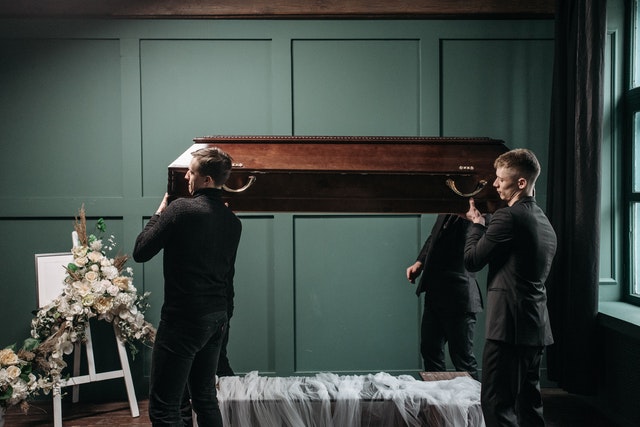
Cremation services have become one of the most common ways for families to honor and remember their loved ones. From small towns to major cities in states like California, Texas, and Florida, providers offer a wide range of packages, memorial options, and pricing structures. When families search for cremation services near me, they are often balancing cost, convenience, and personal wishes. The process involves legal steps, such as obtaining permits and death certificates, as well as personal choices about memorial style, urn selection, and the final resting place of ashes. Understanding these factors ahead of time helps families make clear, confident decisions in an otherwise emotional and overwhelming period.
Things to Consider When Choosing Cremation Services
Below are the 10 most important things to consider when choosing cremation services — explained in detail so you don’t have to search elsewhere for answers.
Type of Cremation Service
Your first choice is the style of cremation.
- Direct cremation is the simplest and most affordable option, typically ranging from $600 to $3,000. It does not include a formal ceremony. The body is cremated soon after death, and the ashes are returned to the family in a basic container. This approach offers flexibility — you can hold a memorial later at home, a park, or another location without time pressure.
- Cremation with a memorial service costs more, usually $2,000 to $4,000. The service is held after cremation, with the urn present, allowing friends and family to gather and pay respects.
- Full-service cremation with viewing includes embalming, a casket rental, a visitation period, and sometimes a funeral ceremony before cremation. Costs can exceed $7,000 because it includes more staff time, facilities, and equipment.
If you know which type best matches your family’s needs, it will help narrow your provider search immediately.
Cost and Budget
Cremation prices can vary dramatically based on location and the provider’s business model. For example, a basic direct cremation might cost $995 in Miami but as high as $5,812 in some parts of California. The difference is often due to real estate costs, labor rates, and local regulations.
Always ask for an itemized General Price List (GPL) , the FTC’s Funeral Rule requires providers to give this to you. This prevents hidden surprises such as:
- Transportation fees ($250–$450) for transferring the deceased.
- Urn upgrades ($50–$1,000+) depending on materials.
- Paperwork processing fees or after-hours removal charges.
Comparison shopping across at least three providers can save hundreds or even thousands of dollars.
Provider Reputation and Transparency
Not every cremation provider operates the same way. Some are large corporate funeral homes with higher overhead, while others are family-run or online-first providers like DFS Memorials and After.com, which may have lower costs due to fewer upsells.
Check:
- Reviews on Funeralocity, Yelp, and Google Maps.
- Whether the provider is licensed by the state.
- If they explain every fee clearly and upfront.
Transparency is essential, if a provider avoids giving direct answers, consider it a red flag.
Location and Regional Regulations
Your state and even your county can have unique laws.
- Florida has a 48-hour waiting period after death before cremation, plus a $50–$75 medical examiner fee.
- Some counties require cremation permits (Miami-Dade charges $65).
- For scattering ashes at sea, the EPA requires a distance of at least three nautical miles from shore.
Always confirm with your provider what legal steps they handle for you and which require your action.
Memorial Flexibility
Cremation allows for flexible memorial planning. You can hold a service immediately, delay it for travel reasons, or even have multiple gatherings in different locations. Memorials can be:
- Traditional — in a funeral home or place of worship.
- Casual — at home, in a garden, or a community hall.
- Virtual — live-streamed for distant relatives.
Families can display the urn, scatter ashes in a meaningful spot, or create keepsakes like jewelry or glass art from a portion of the remains.
Urn and Keepsake Options
Most providers return ashes in a temporary container, but you can choose to upgrade. Options include:
- Standard urns — metal, wood, ceramic, or stone.
- Biodegradable urns — designed for eco-friendly burial or scattering.
- Keepsake urns — smaller containers for sharing ashes among relatives.
- Memorial jewelry — lockets, rings, or pendants holding a small portion of ashes.
- Memorial diamonds — synthetic diamonds created from cremated remains.
By law, funeral homes must allow you to provide your own urn purchased from another source.
Scattering or Final Disposition
Consider where the ashes will be disposed of. Options include:
- Scattering in nature — in a park, forest, or body of water (with permits if needed).
- Columbarium — a wall or niche in a cemetery for urn storage, costing $1,000–$60,000 depending on location.
- Burial — in a family plot or designated urn garden.
- Division among family members — using keepsake urns or jewelry.
Always check state and local rules, scattering in public places often requires written permission.
Pre-Planning and Financial Assistance
Pre-planning lets you lock in today’s prices and save your family stress later. Some providers offer monthly payment plans starting around $25.
For families with financial constraints, options include:
- Medicaid benefits in certain states.
- Veterans’ benefits, including free burial in a national cemetery.
- Body donation to medical schools, which often includes no-cost cremation after study.
Personalization and Cultural Preferences
Cremation can be tailored to match cultural, religious, or personal wishes. This might involve:
- Religious rites before or after cremation.
- Military honors for veterans.
- Unique memorials like planting a tree with ashes in biodegradable pods.
Custom ceremonies with music, photo slideshows, or themed gatherings that reflect the loved one’s life.
Documentation and Logistics
Final arrangements require paperwork, usually handled by the provider, but you should understand the process. This includes:
- Death certificates ($10–$25 each, often ordered in multiple copies).
- Cremation permits from local authorities.
- Transportation arrangements for the deceased if they pass away outside the provider’s service area.
- Venue bookings for memorials or ash scattering events.
Organizing these steps early can prevent delays and added stress.
